Health & Wellness: Practical Tips You Can Use Right Now
Welcome to the Health & Wellness hub at VSmart Pharma Solutions. Here you’ll get straight‑forward answers about the medicines you need, the conditions you’re dealing with, and the supplements that catch your eye. No jargon, just the facts you can act on today.
How to Buy Medications Online Without the Headache
Buying meds online can seem risky, but it doesn’t have to be. Our guides walk you through checking a pharmacy’s license, confirming prescription requirements, and spotting fake offers. Whether you’re looking for generic Lamictal, Naprosyn, or top‑selling erectile‑dysfunction pills, you’ll learn the exact steps to verify a legit source, compare real prices, and avoid common scams.
We also break down the cost‑saving tricks that actually work – like using telehealth services for a quick prescription or joining verified discount programs. All the advice is based on what’s current in 2025, so you won’t be stuck with outdated rules.
Disease Overviews and Symptom Checkers Made Simple
Got a question about Meniere’s disease, sinus infections, or why your tummy hurts? Our articles cut through the medical mumbo‑jumbo and give you clear signs to watch for, practical self‑care steps, and when you really need a doctor’s visit. For example, we compare tummy ache versus bloating, list the top triggers, and suggest fast‑acting relief that you can find at any pharmacy.
Each disease guide includes a quick‑look summary, the most common treatments, and lifestyle tweaks that can ease symptoms. It’s the kind of cheat‑sheet you’d keep on your phone for a quick reference.
Beyond meds and diseases, we also dive into trending supplements like catuaba. You’ll see the science‑backed benefits, possible side effects, and safe dosage tips so you can decide if it’s worth trying.
And if you’re dealing with hearing loss, we’ve got scripts, rights information, and tool suggestions that help you speak up at work or in a doctor’s office. The goal is to give you confidence, not just a list of facts.
All of our content is written by pharma professionals who keep an eye on the latest guidelines and clinical updates. That means the advice you read today will still be relevant when you need it tomorrow.
Take a look at any article, use the checklists, and apply the steps right away. Your health decisions become easier when you have reliable, easy‑to‑follow information at your fingertips.
Ready to start? Browse the posts below, pick the topic that matches what you’re dealing with, and enjoy a healthier, more informed life.

Managing GERD: A Complete Guide to Diet, Lifestyle, and Medication
Learn how to manage GERD through a five-stage approach covering low-fat diets, lifestyle changes, the latest P-CAB medications, and surgical options like LINX.
Read more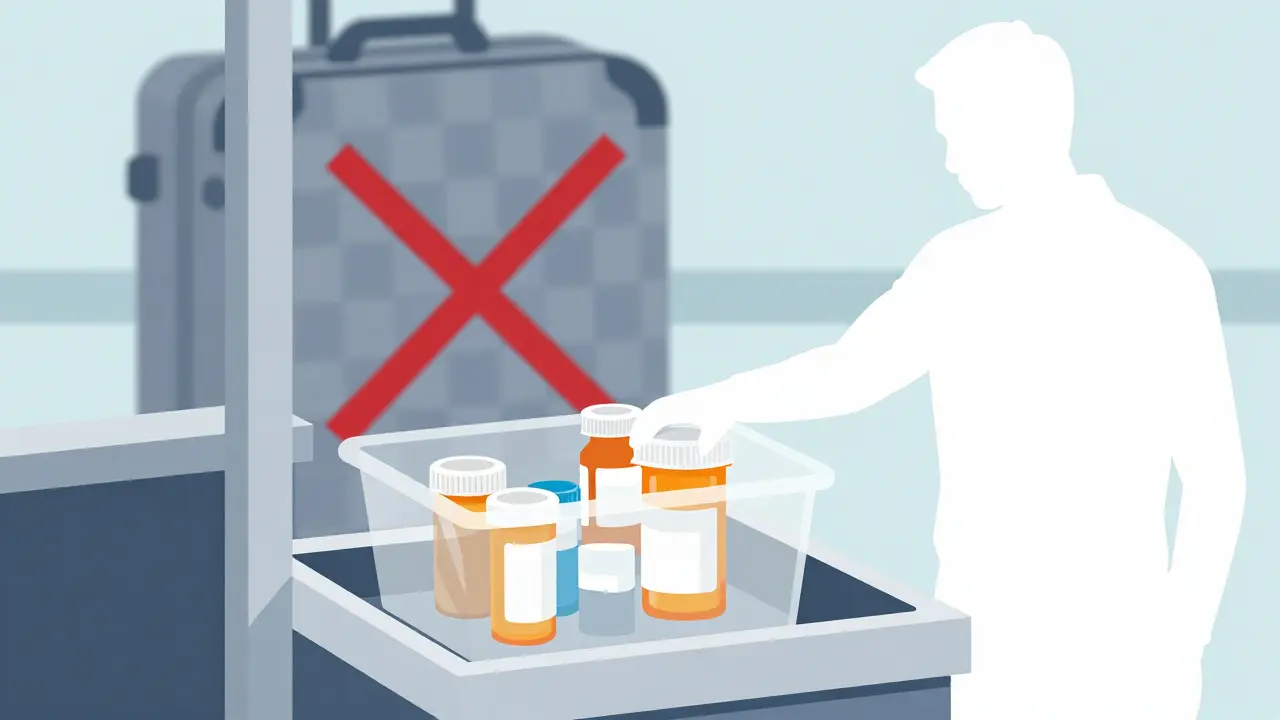
How to Pack Medications for Long Road Trips and Cruises Safely
Learn essential steps for packing prescription medications safely for road trips and cruises. Includes TSA rules, container requirements, documentation tips, and storage hacks.
Read more
How to Pack Medications for Long Road Trips and Cruises Safely
A practical guide on packing prescription drugs for cruises and road trips. Learn TSA rules, container requirements, and how to handle customs restrictions safely.
Read more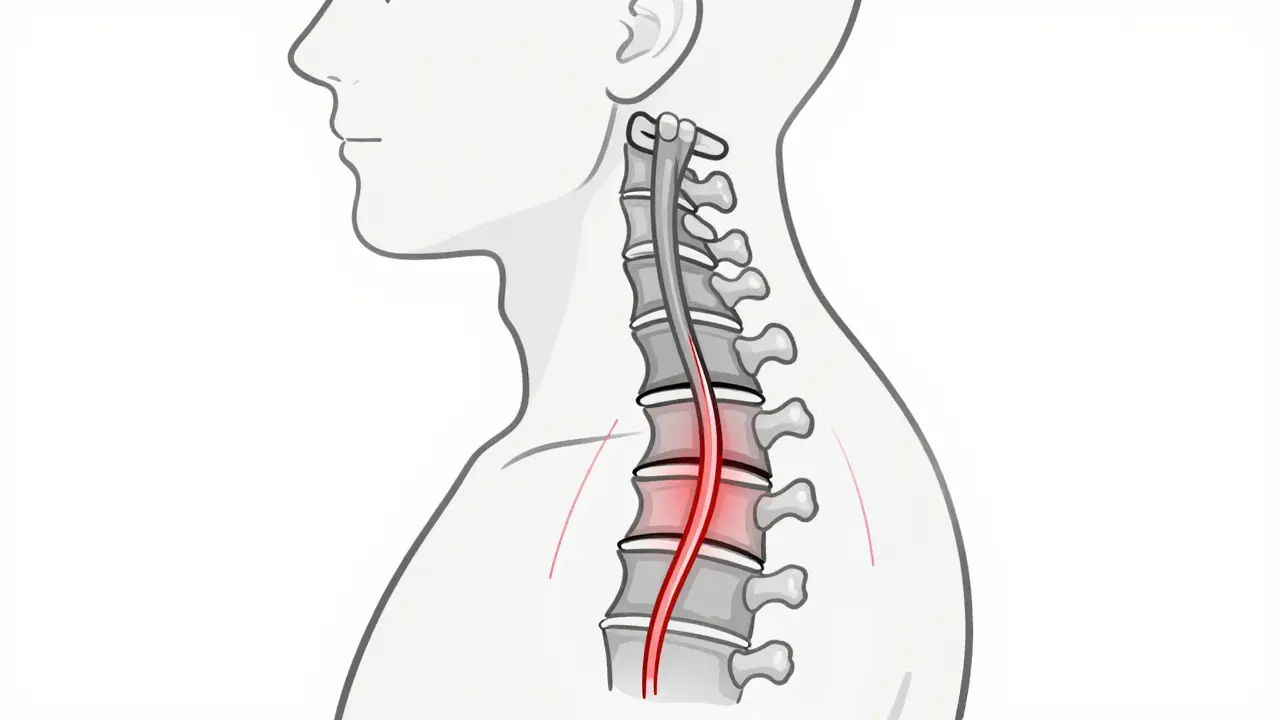
Cervical Myelopathy: Spinal Stenosis Symptoms and Surgery Options
Cervical myelopathy is a serious spinal cord compression caused by neck stenosis. Early symptoms include hand clumsiness, gait instability, and balance issues. Surgery is often necessary to prevent permanent damage, with timing being critical for recovery.
Read more
Evergreening: How Pharmaceutical Brands Delay Generic Drugs with Patent Tactics
Evergreening lets drug companies extend patents with minor changes, delaying cheaper generics and keeping prices high. Learn how tactics like product hopping and patent thickets impact access and affordability.
Read more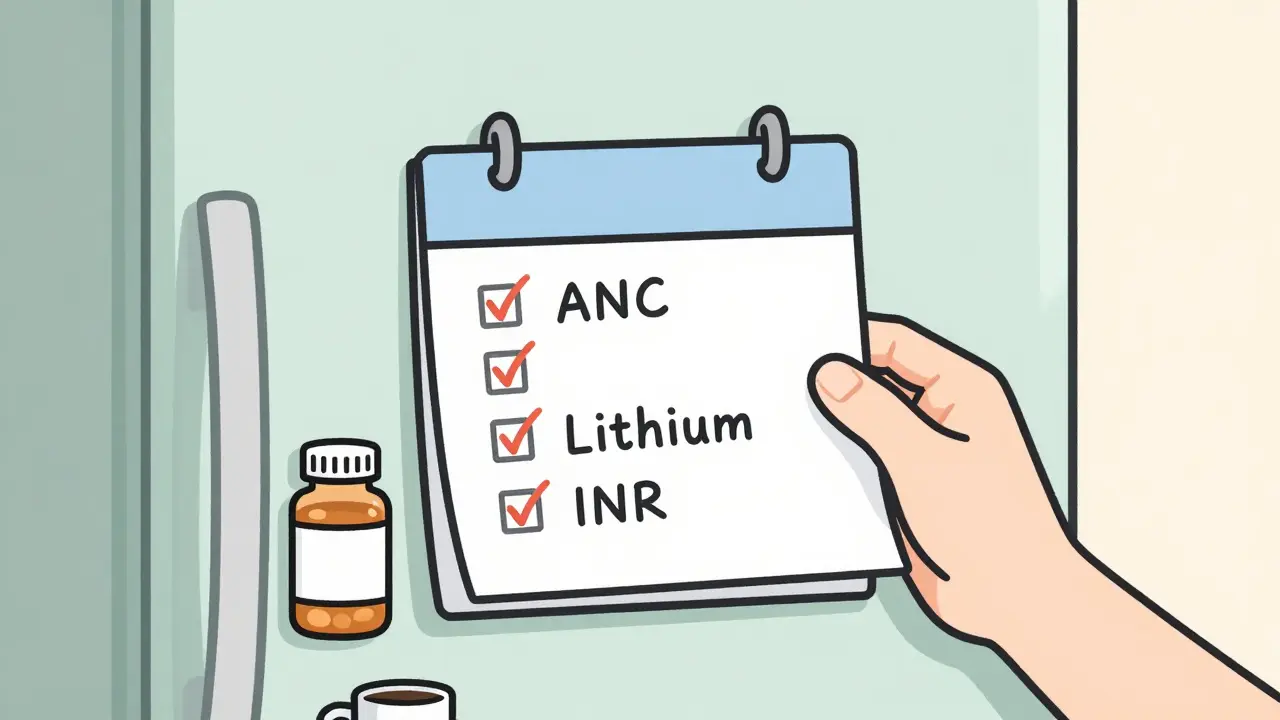
Lab Monitoring Calendars: Staying Ahead of Side Effects
Lab monitoring calendars help you catch dangerous side effects before they become emergencies. From clozapine to lithium to warfarin, each medication has unique testing needs. Learn how to build and stick with a personalized schedule that keeps you safe.
Read more
Visual Dosing Aids: Syringes, Droppers, and Measuring Tools for Safer Medication Use
Visual dosing aids like syringes, droppers, and measuring cups reduce medication errors by using clear markings, color zones, and simple designs. They’re proven to cut dosing mistakes in half and speed up administration-especially for kids and seniors.
Read more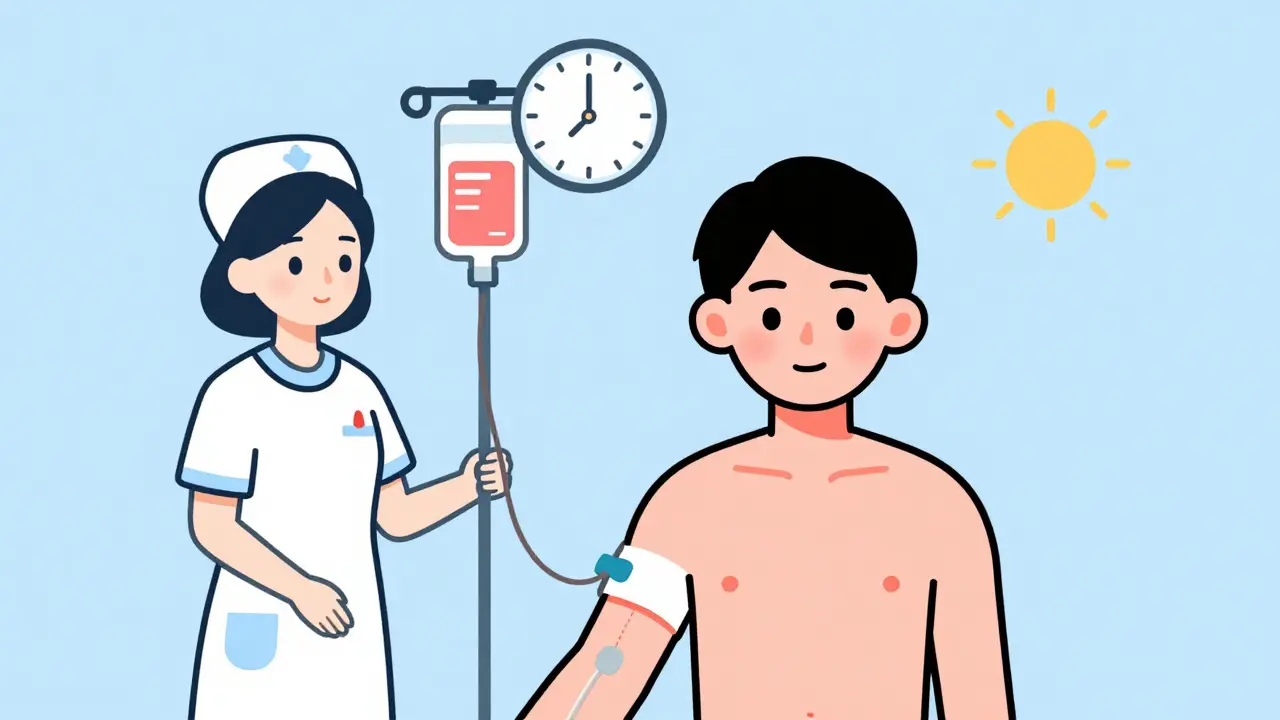
Vancomycin Infusion Reactions: What You Need to Know About Vancomycin Flushing Syndrome
Vancomycin infusion reactions are common, preventable, and often mistaken for allergies. Learn how slowing the infusion rate stops flushing, why the term "red man syndrome" is outdated, and what to do if you’ve been labeled allergic.
Read more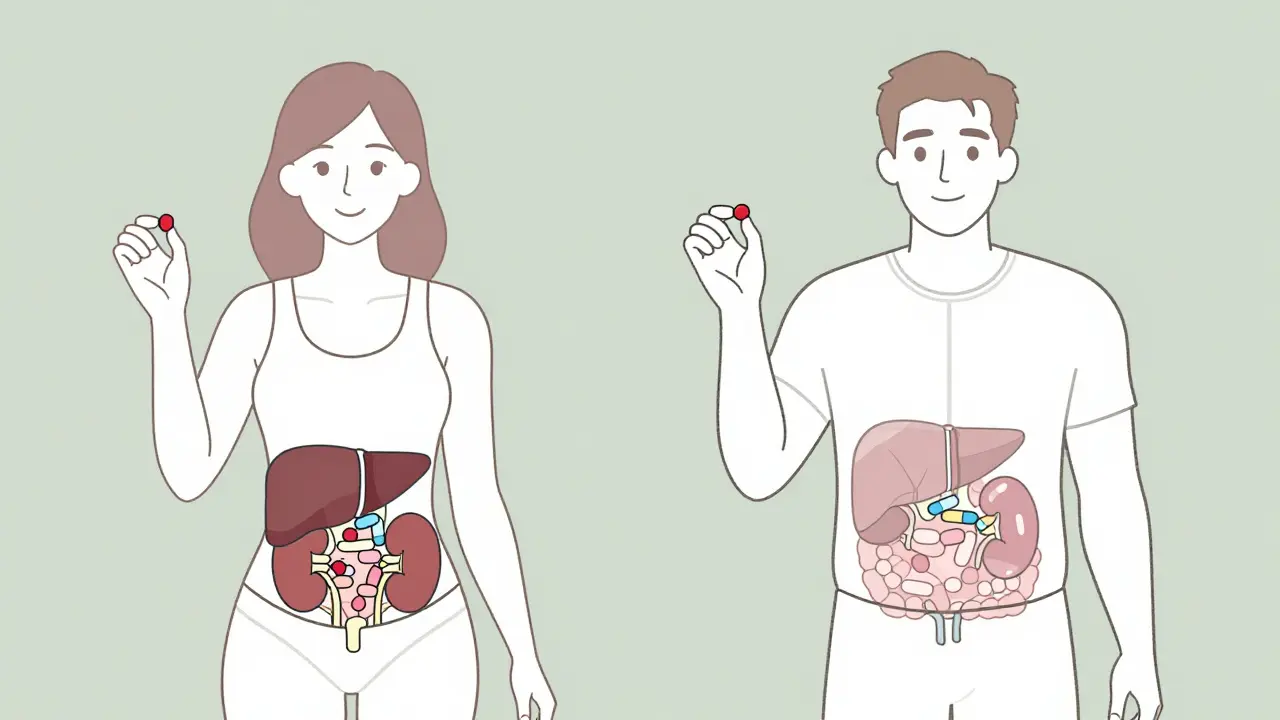
Women vs Men: Why Medication Side Effects Differ by Sex
Women experience nearly twice as many medication side effects as men due to biological differences and historical exclusion from drug trials. Learn why dosing isn't one-size-fits-all-and what's being done to fix it.
Read more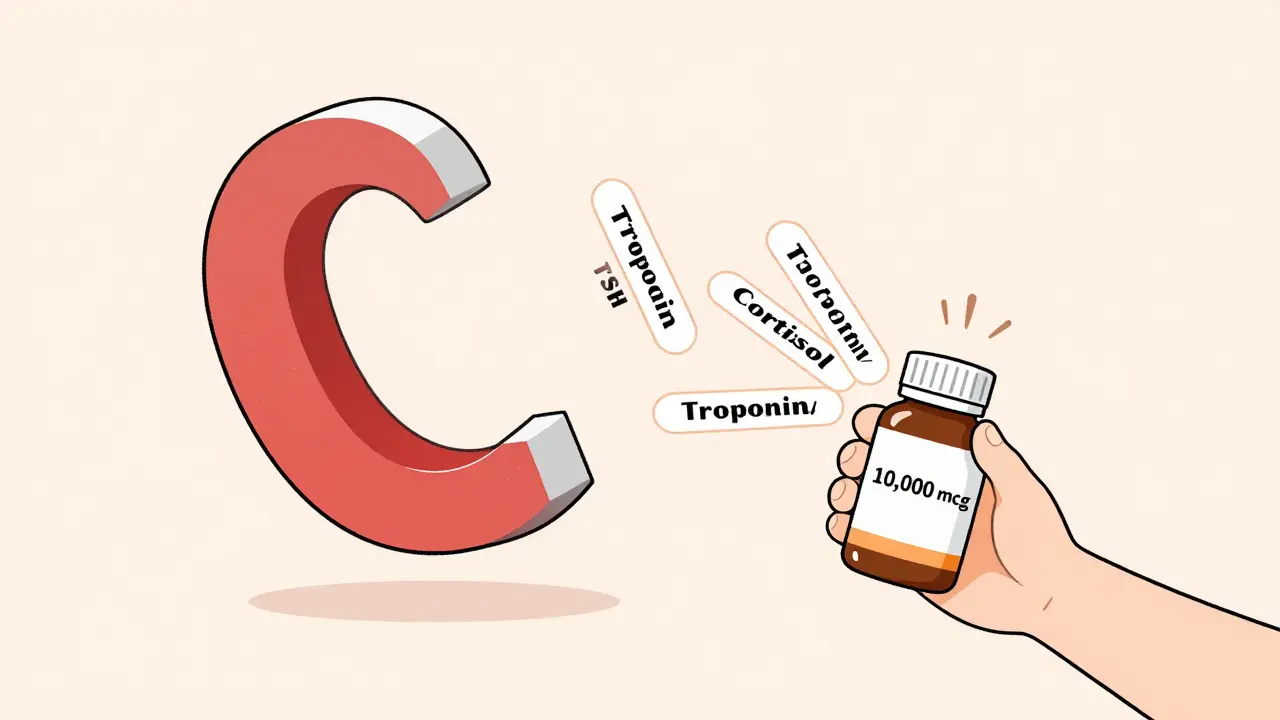
Biotin Supplements and Lab Tests: How High Doses Can Cause Dangerous False Results
High-dose biotin supplements can cause dangerous false lab results, leading to misdiagnoses of heart attacks, thyroid disorders, and more. Learn how to protect yourself before your next blood test.
Read more
How to Read Pregnancy and Lactation Labeling on Drugs
Learn how to read the updated pregnancy and lactation labeling on prescription drugs. The FDA's PLLR replaced outdated letter categories with detailed, evidence-based guidance for safer use during pregnancy and breastfeeding.
Read more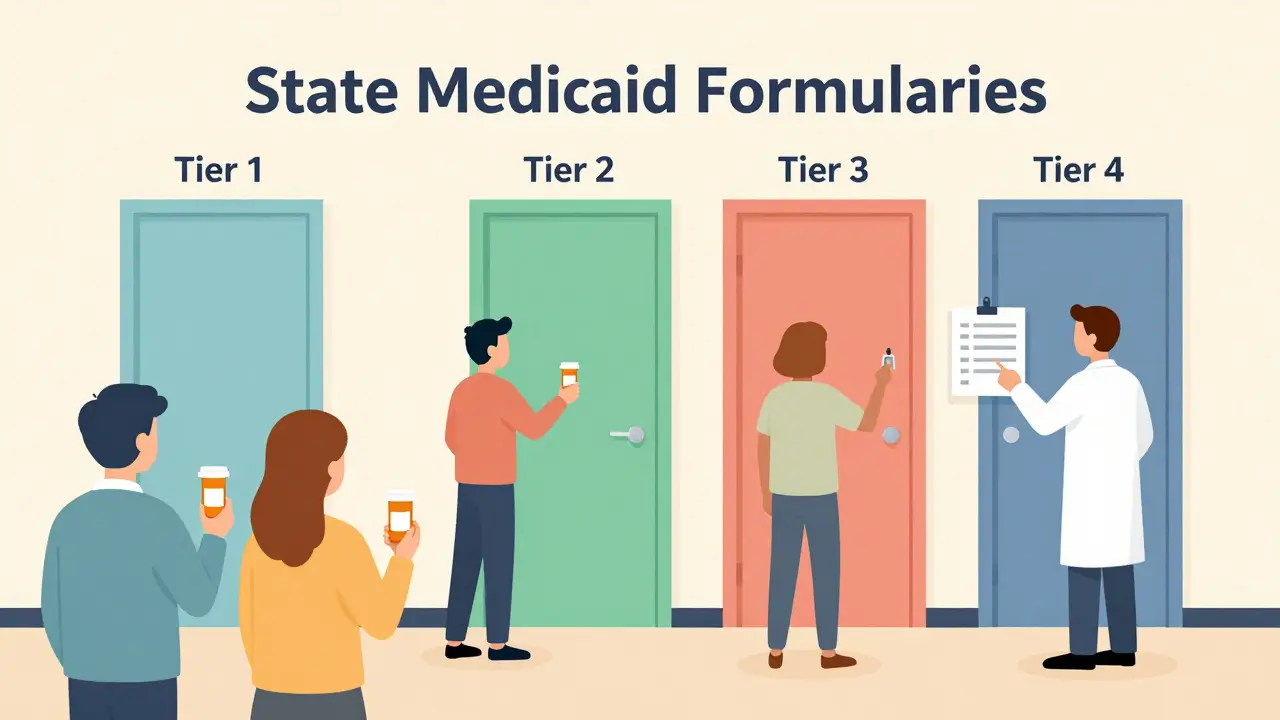
Medicaid Coverage for Prescription Medications: What’s Included in 2026
Medicaid covers prescription drugs for 85 million Americans, but what's included varies by state. Learn about tiered formularies, prior authorization, copays, and how to get the meds you need in 2026.
Read more