Category: Health & Wellness - Page 4
Hiccups Triggered by Medications: Common Causes and Proven Remedies
Medication-induced hiccups are a common but often overlooked side effect. Learn which drugs cause them, why they happen, and proven remedies-from sugar to baclofen-that actually work.
Read more
NSAID Safety: Understanding GI Risks, Kidney Effects, and Essential Monitoring
NSAIDs provide pain relief but carry hidden risks to your stomach and kidneys. Learn how to spot danger signs, understand real-world risks, and use safer monitoring practices to protect your health.
Read more
Penicillin Desensitization: Safe Protocols for Allergic Patients Who Need Beta-Lactams
Penicillin desensitization safely allows allergic patients to receive life-saving penicillin when no alternatives exist. Learn how it works, who qualifies, and why it’s critical for fighting antibiotic resistance.
Read more
Neuropathy in Diabetes: How to Manage Pain and Protect Nerves
Learn how to manage diabetic neuropathy pain and protect your nerves with proven strategies-from blood sugar control and FDA-approved medications to non-drug options like TENS and exercise.
Read more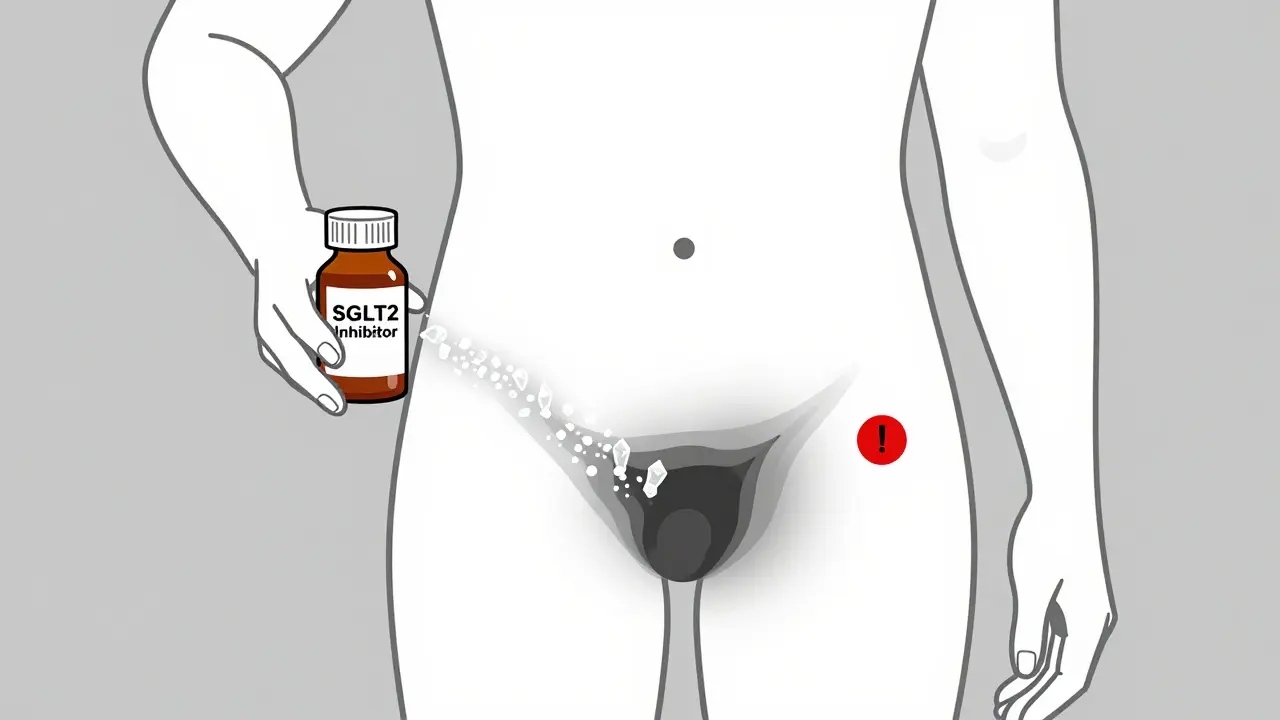
SGLT2 Inhibitors and Fournier’s Gangrene: What You Need to Know Now
SGLT2 inhibitors help manage type 2 diabetes but carry a rare risk of Fournier’s gangrene-a life-threatening infection. Know the early signs, act fast, and protect your health.
Read more
How to Use OpenFDA and FAERS APIs to Access Drug Side Effect Reports
Learn how to use the OpenFDA and FAERS APIs to access free, real-world drug side effect reports from the FDA. Get started with queries, understand the data, avoid common mistakes, and use it safely for research or personal insight.
Read more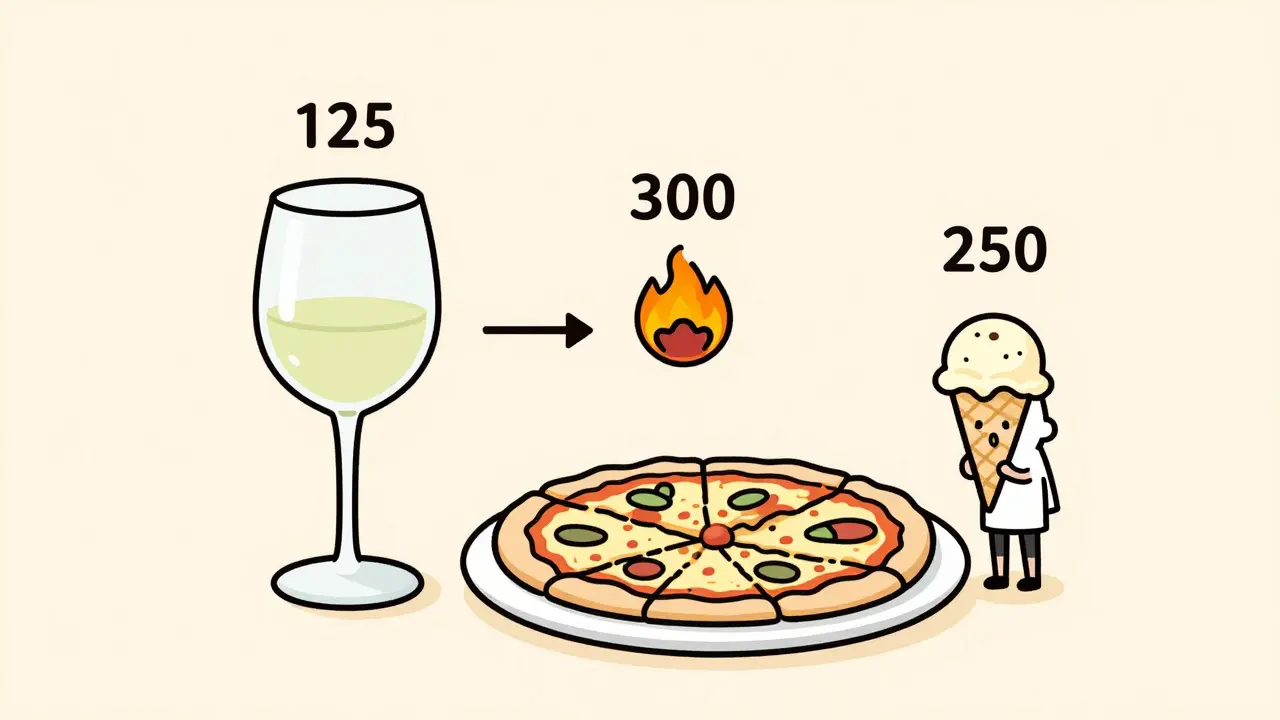
Alcohol and Weight Loss: How Calories, Appetite, and Strategy Affect Your Results
Alcohol can sabotage weight loss by adding empty calories, slowing fat burning, and increasing hunger. Learn how to reduce its impact with smart choices and proven strategies.
Read more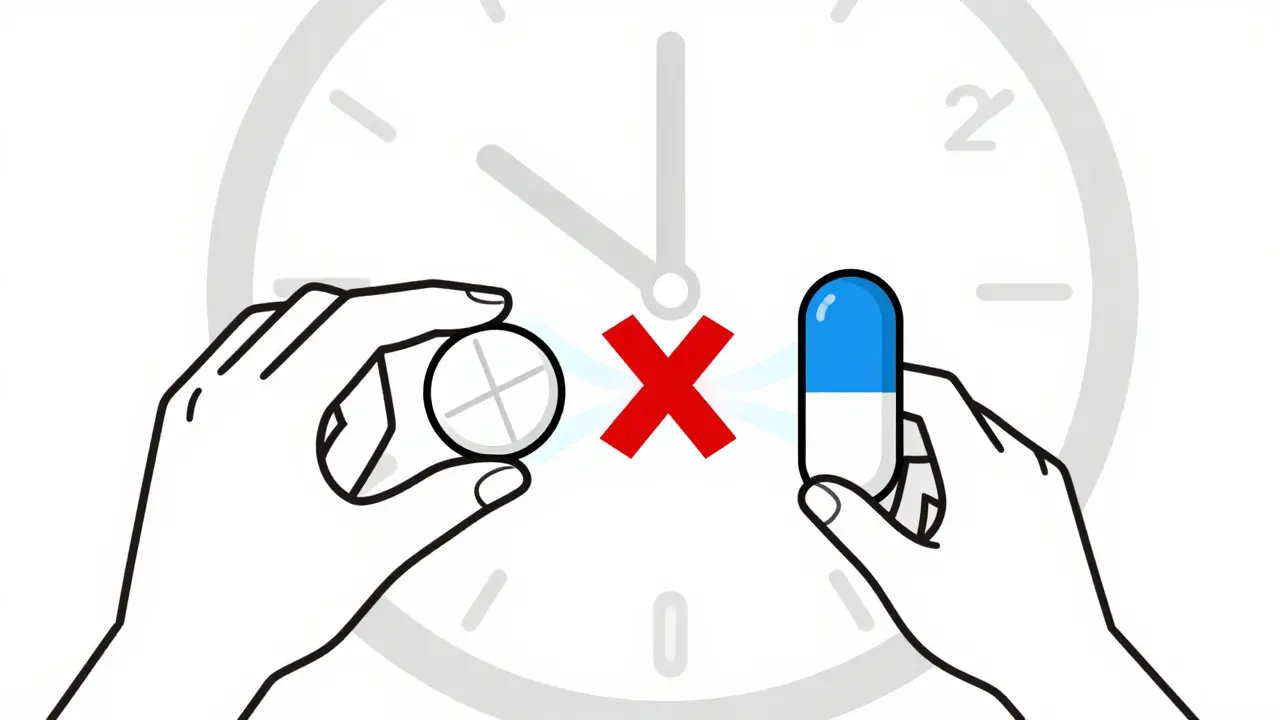
Calcium, Iron, and Mineral Interactions with Medications: What You Need to Know
Calcium and iron supplements can block the absorption of antibiotics, thyroid meds, and heartburn drugs. Learn how to time your doses correctly to avoid dangerous interactions and ensure your medications work as they should.
Read more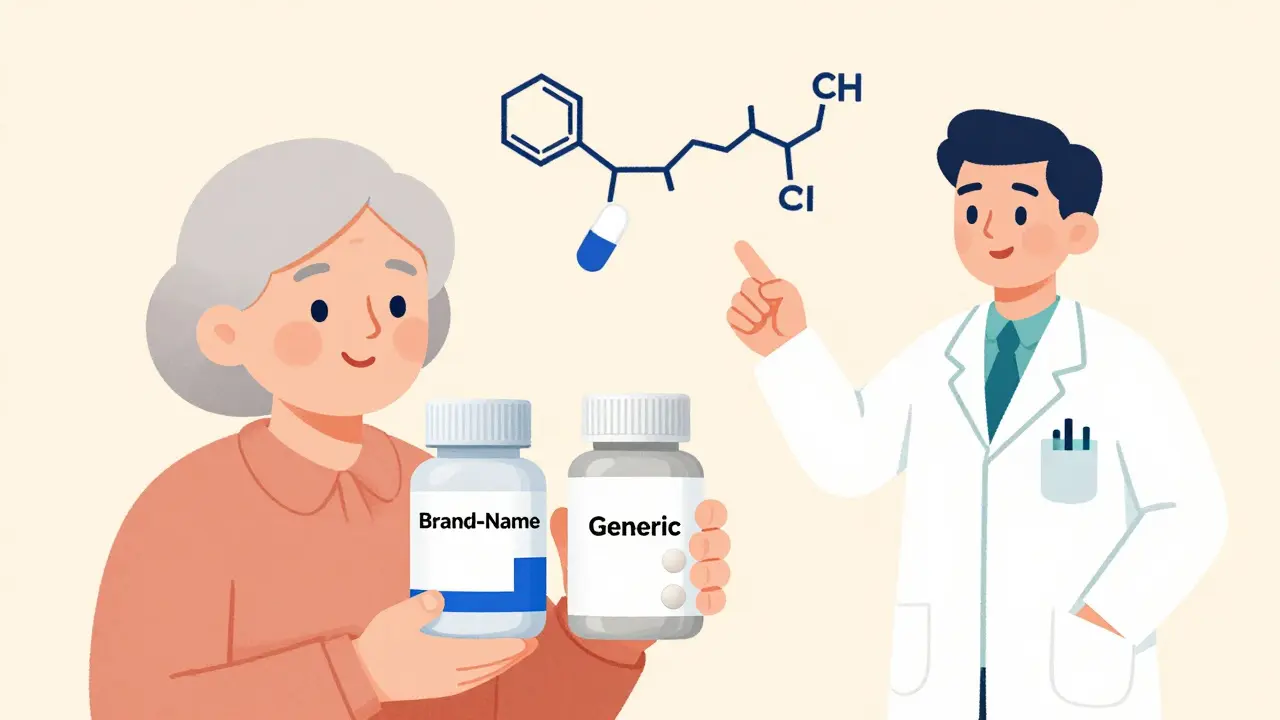
Elderly Patients Switching to Generics: What You Need to Know About Safety and Effectiveness
Elderly patients often switch to generic medications to save money, but concerns about safety and effectiveness are common. Learn what really matters when switching generics in older adults, which drugs need extra care, and how to avoid risks.
Read more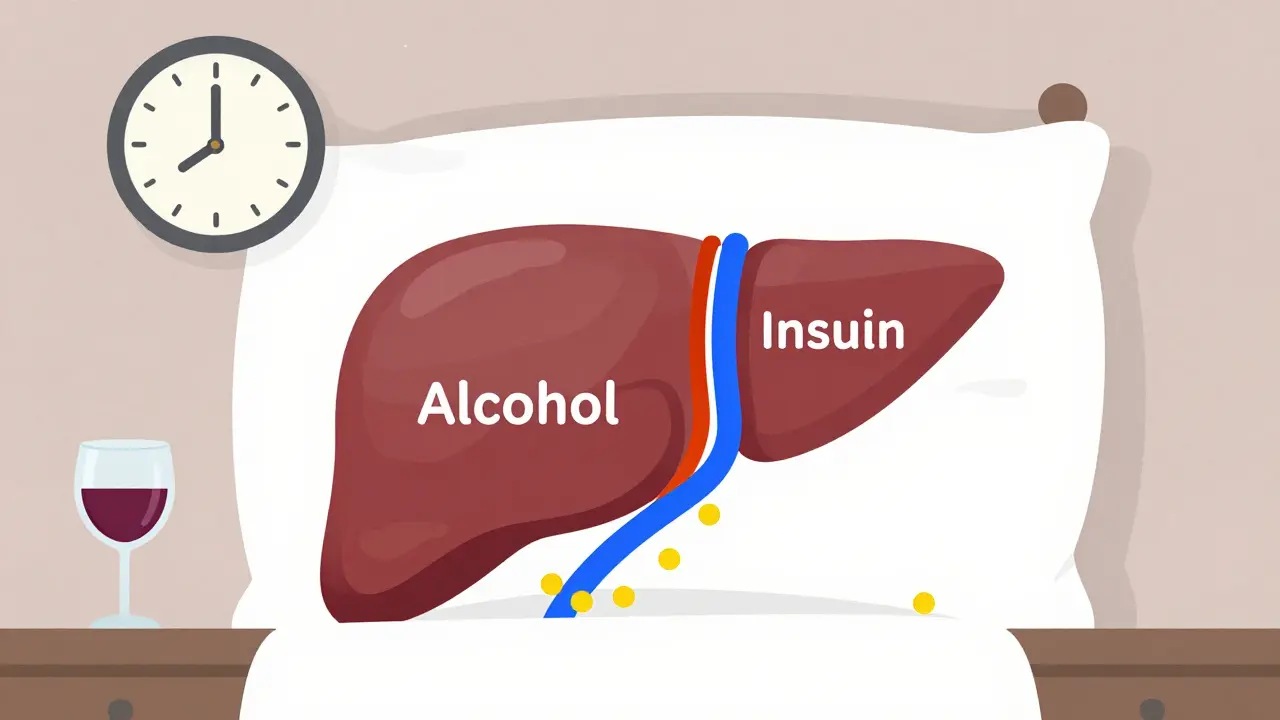
Alcohol and Diabetes Medications: How Drinking Affects Blood Sugar and Liver Health
Drinking alcohol while on diabetes meds can cause dangerous drops in blood sugar and damage your liver. Learn how metformin, insulin, and sulfonylureas interact with alcohol-and what steps you can take to stay safe.
Read more
Prescription Medications Illegal in Certain Countries: Check Before You Go
Many prescription drugs legal at home are banned overseas. From Adderall in Japan to codeine in Dubai, traveling with meds can land you in jail. Here’s what you need to know before your next trip.
Read more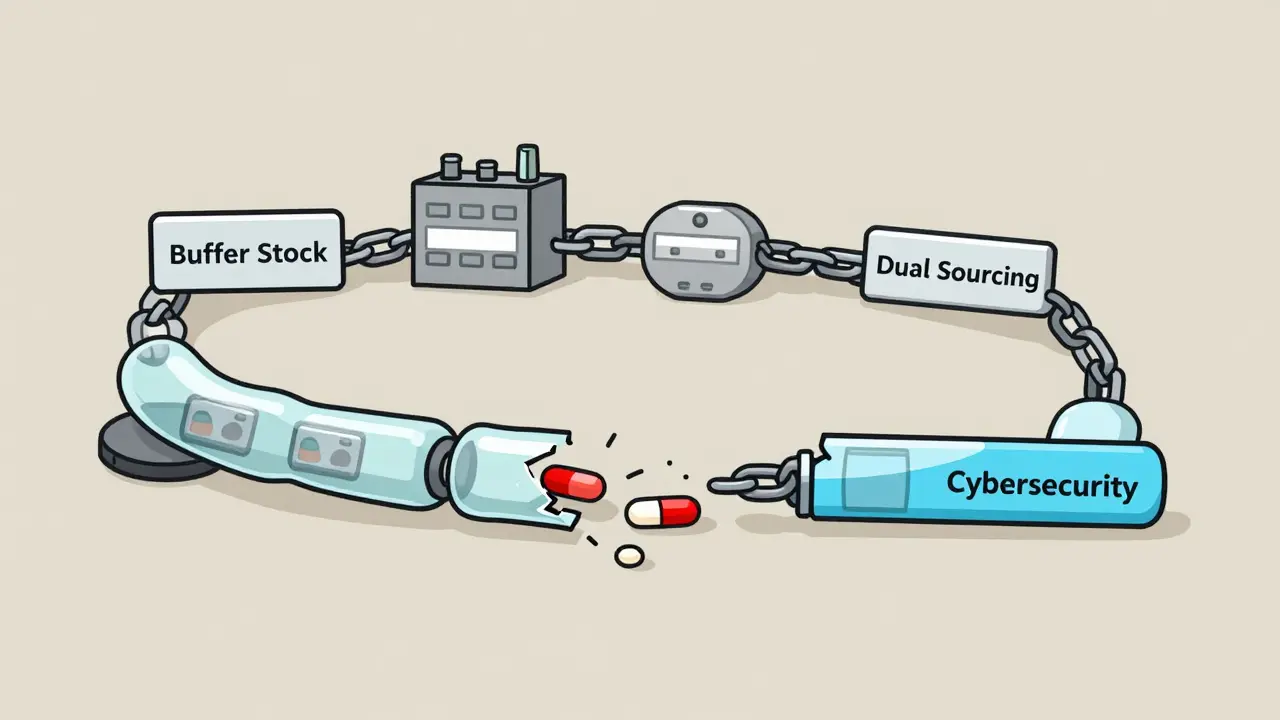
Long-term Solutions: Building Resilience into the Drug Supply to Prevent Critical Shortages
Drug shortages are rising because supply chains are built for cost, not safety. Learn how buffer stocks, supplier diversification, cybersecurity, and smarter regulations can create a resilient system that keeps life-saving medicines available when they’re needed most.
Read more