Penicillin Desensitization Eligibility Checker
Determine Your Eligibility
This tool helps determine if penicillin desensitization is appropriate based on your medical history and current condition. Always consult with a physician before proceeding.
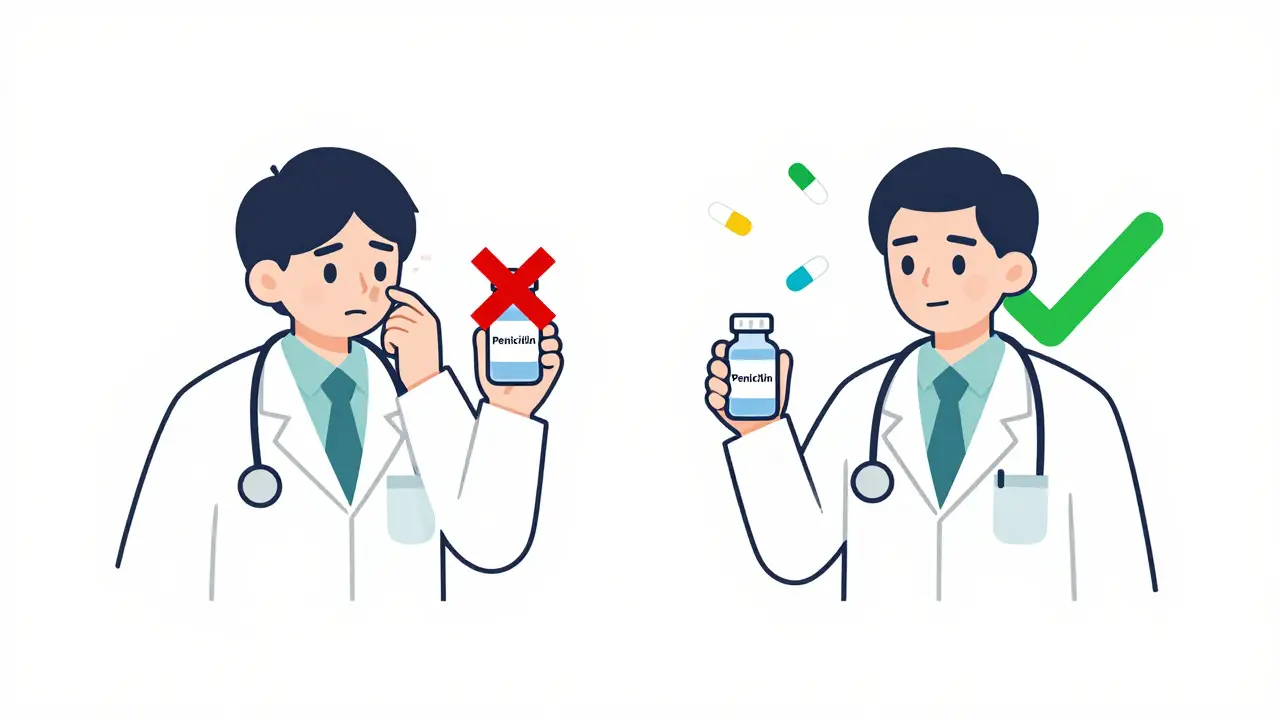
More than 10% of people in the U.S. say they’re allergic to penicillin. But here’s the catch: 90% of them aren’t. Most of these labels were given decades ago based on a rash or a vague reaction, and no one ever tested it again. The problem? When doctors see "penicillin allergy" on a chart, they avoid the most effective, safest, and cheapest antibiotics. Instead, they reach for broader-spectrum drugs like vancomycin or fluoroquinolones-drugs that are more expensive, more toxic, and fuel antibiotic resistance. That’s where penicillin desensitization comes in.
What Penicillin Desensitization Actually Does
Penicillin desensitization isn’t a cure for allergy. It doesn’t change your immune system permanently. It’s a temporary, controlled way to let your body tolerate penicillin long enough to finish a critical course of treatment. Think of it like slowly walking into a room filled with smoke-step by step, your lungs adjust. Once you leave the room, the tolerance fades. That’s why you must keep taking penicillin every day until the full course is done. Stop it, and you’re back to square one.This isn’t a quick fix. It’s a medically supervised process done only when there’s no alternative. For example, if you’re pregnant and have syphilis, penicillin is the only drug that reliably clears the infection and protects your baby. If you’re fighting endocarditis or neurosyphilis, alternatives can be less effective or more dangerous. In these cases, skipping penicillin isn’t an option. Desensitization makes it possible.
How It Works: The Step-by-Step Process
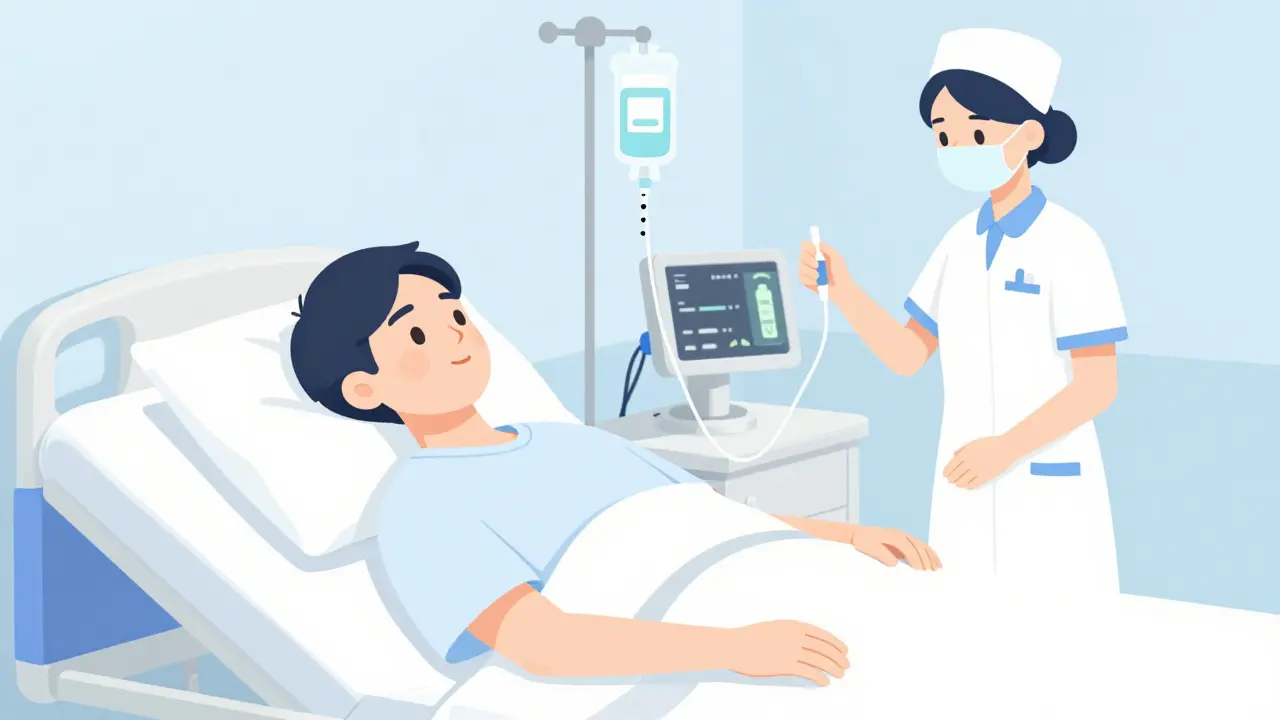
There are two main ways to do it: oral and intravenous. Both follow a strict, slow buildup of dose. The goal is to get from zero to full therapeutic levels without triggering a dangerous reaction.IV desensitization is faster and more controlled. It starts with a tiny amount-just 20 units of penicillin diluted in saline-given over 30 minutes. Every 15 to 20 minutes, the dose doubles. After 12 steps, you’re at the full prescribed dose. The whole process takes about 4 hours. Vital signs are checked every 15 minutes. Nurses watch for even the slightest sign of trouble: flushing, itching, wheezing, or a drop in blood pressure. If anything happens, they stop immediately and treat it.
Oral desensitization is slower. Doses are given every 45 to 60 minutes. The starting dose is even smaller-sometimes as low as one-millionth of a therapeutic dose. It’s less intense, so it’s often preferred for patients who aren’t critically ill. About one-third of people on oral protocols get mild reactions like hives or itching. These are usually handled with antihistamines, and the process continues.
Both methods require premedication. Typically, patients get diphenhydramine (Benadryl), ranitidine (to block histamine), and sometimes montelukast or cetirizine. These aren’t optional. They reduce the chance of a reaction and make the process safer.
Who Should NOT Get Desensitized
Not everyone qualifies. This isn’t a gamble. There are clear red flags that make it too risky.If you’ve ever had Stevens-Johnson Syndrome, Toxic Epidermal Necrolysis, or DRESS syndrome after taking penicillin, desensitization is absolutely off the table. These are life-threatening skin and organ reactions. No amount of slow dosing will make them safe to repeat.
Patients who had anaphylaxis with low blood pressure, throat swelling, or loss of consciousness should be evaluated by an allergist first. Sometimes, skin testing can rule out true IgE-mediated allergy. If skin tests are negative, you might not need desensitization at all-you can just get a graded challenge.
And here’s something many don’t realize: if you’ve been told you’re allergic but never had a real reaction-just a family history or a vague "I got sick once"-you probably aren’t allergic. That’s why allergists recommend testing before jumping to desensitization.
Why This Matters: Antibiotic Resistance and Real-World Impact
The bigger picture isn’t just about one patient. It’s about the whole system.When penicillin is avoided because of an unverified allergy, hospitals end up using drugs like vancomycin, linezolid, or carbapenems. These are last-resort antibiotics. Overusing them leads to resistant superbugs. The CDC reports that carbapenem-resistant infections jumped 71% between 2017 and 2021. That’s not a coincidence.
And the cost? A single hospital admission where penicillin was replaced due to an unconfirmed allergy can cost $3,000 to $5,000 more. That’s not just money-it’s resources diverted from other patients.
Desensitization cuts that cost. It brings back a safe, proven antibiotic. It reduces ICU stays. It shortens hospitalization. And it helps preserve the effectiveness of our most powerful drugs.
Where It’s Done-and Who Does It
This isn’t something you do in a clinic or a doctor’s office. It’s an inpatient procedure. You need constant monitoring, IV access, emergency drugs on standby, and staff trained in anaphylaxis response.The CDC and AAAAI both say it must be done under the supervision of an allergist or immunologist in a monitored setting. That’s why it’s mostly done in academic hospitals. Only 17% of community hospitals have formal protocols. The rest rely on guesswork or avoid penicillin entirely.
Even the nursing staff need training. Prisma Health’s 2024 guidelines require each dose to be signed off by a nurse, documented in the electronic medical record, and verified by pharmacy. One order generates 19 labels. Every step is tracked.
And the learning curve is steep. The AAAAI says a provider must supervise at least five desensitizations before doing one independently. This isn’t routine care. It’s specialized.
What Happens After
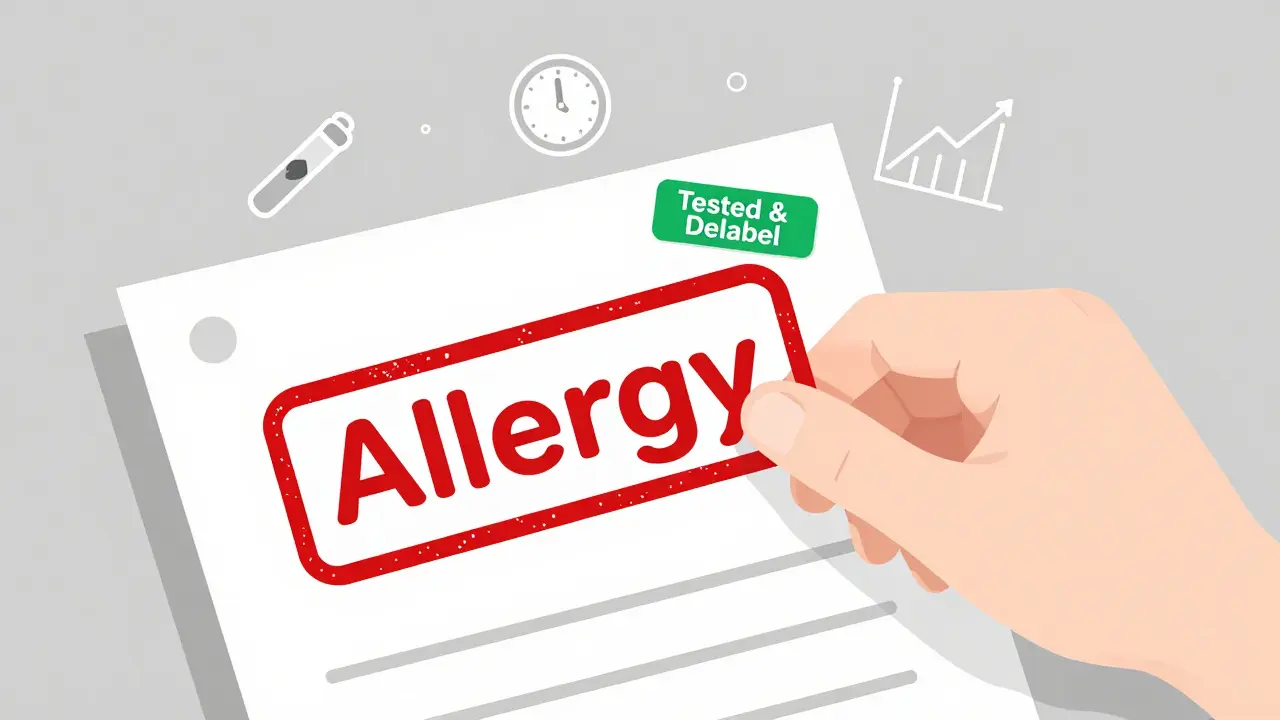
Once you finish the course, you’re done. You don’t need to keep taking penicillin. But you also don’t get immunity. If you need it again in six months, you’ll have to go through the whole process again.That’s why follow-up matters. If you’ve never had skin testing, you should see an allergist after your treatment. They can test you to see if you’re truly allergic. If the test is negative, you can be officially delabeled. That means next time, you won’t need desensitization-you can just take penicillin like anyone else.
Delabeling is the real win. It’s not just about this one infection. It’s about changing your medical record forever. And that’s why programs are expanding. The IDSA wants 50% of U.S. hospitals to have penicillin allergy clarification programs by 2027. Right now, only 22% do.
Common Misconceptions
Many people confuse desensitization with a "graded challenge." They’re not the same.A graded challenge is for people with low-risk histories-maybe a childhood rash that wasn’t even itchy. You give one small dose, wait an hour, then give more. No buildup. No daily dosing. It’s a test, not a treatment.
Desensitization is for high-risk cases where you *must* use penicillin. It’s a marathon, not a sprint. And if you mix them up? You risk anaphylaxis. Studies show 2-3% of misapplied protocols lead to preventable emergencies.
Another myth: "I outgrew my allergy." That’s possible, but not guaranteed. Only testing can tell you for sure.
Future of Penicillin Desensitization
Research is moving fast. Scientists are looking into why tolerance lasts only 3-4 weeks. Is it about T-cell exhaustion? B-cell memory? If we can figure that out, maybe we can extend it. That would be huge.Electronic health records are also getting smarter. Some hospitals now auto-flag penicillin allergies and prompt providers to consider testing or desensitization before prescribing alternatives. That’s a game-changer.
And it’s not just penicillin anymore. The same protocols are being used for other beta-lactams-and even for chemotherapy drugs like paclitaxel. The principle is the same: slow exposure, close monitoring, life-saving results.
For patients who need it, penicillin desensitization isn’t a last resort. It’s the best option. It’s safe when done right. It’s effective. And it saves lives-both yours and the next person’s, by keeping powerful antibiotics working for everyone.


Adewumi Gbotemi
January 11, 2026 AT 06:21