Author: Kalisha Nurse-Dash - Page 5
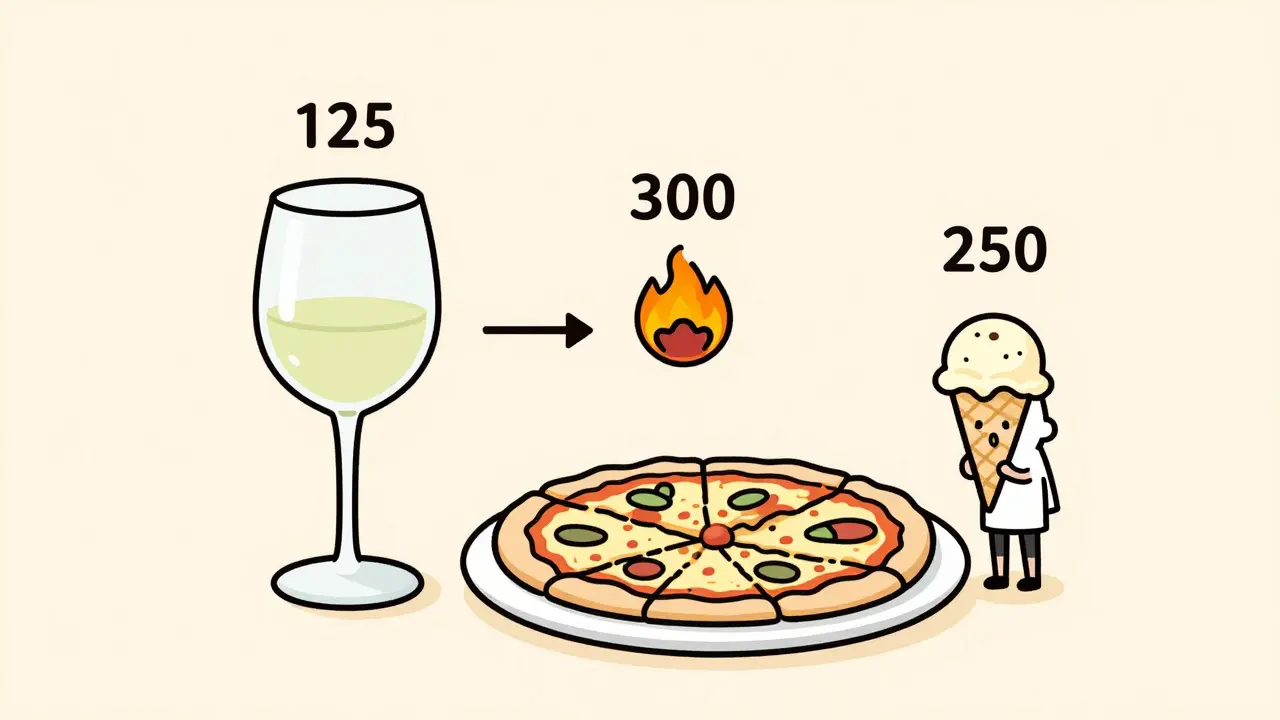
Alcohol and Weight Loss: How Calories, Appetite, and Strategy Affect Your Results
Alcohol can sabotage weight loss by adding empty calories, slowing fat burning, and increasing hunger. Learn how to reduce its impact with smart choices and proven strategies.
Read more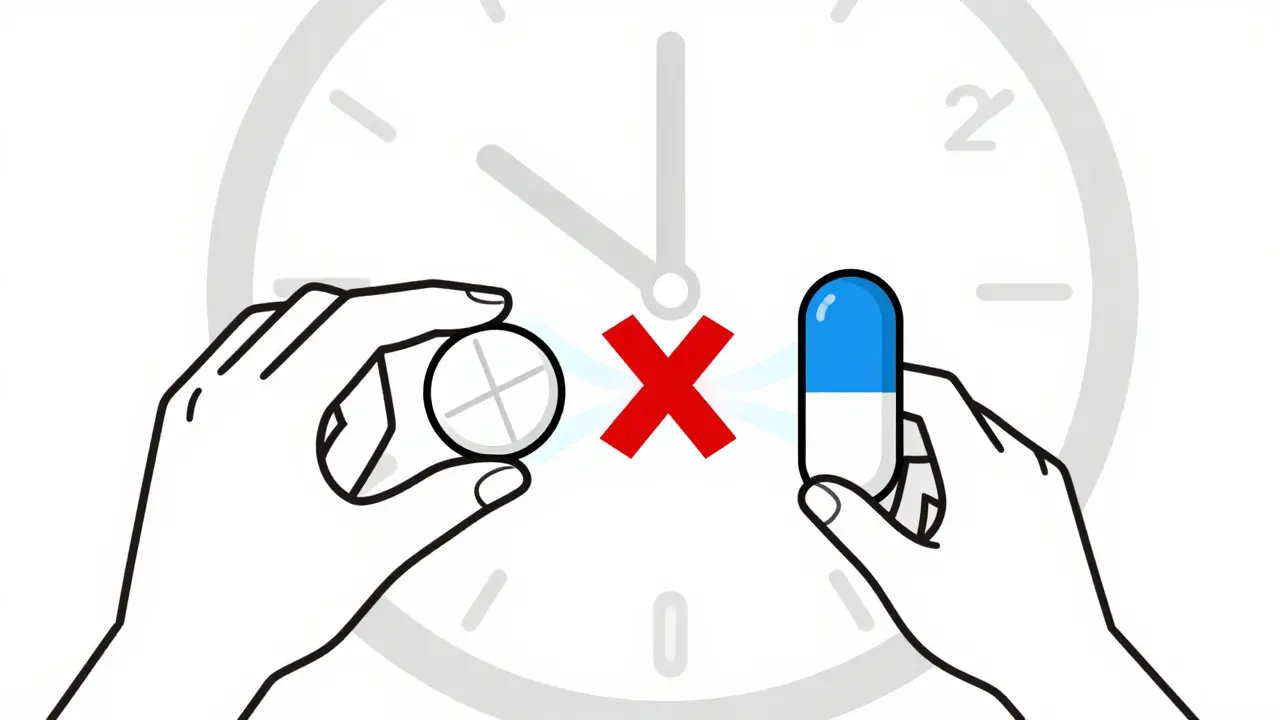
Calcium, Iron, and Mineral Interactions with Medications: What You Need to Know
Calcium and iron supplements can block the absorption of antibiotics, thyroid meds, and heartburn drugs. Learn how to time your doses correctly to avoid dangerous interactions and ensure your medications work as they should.
Read more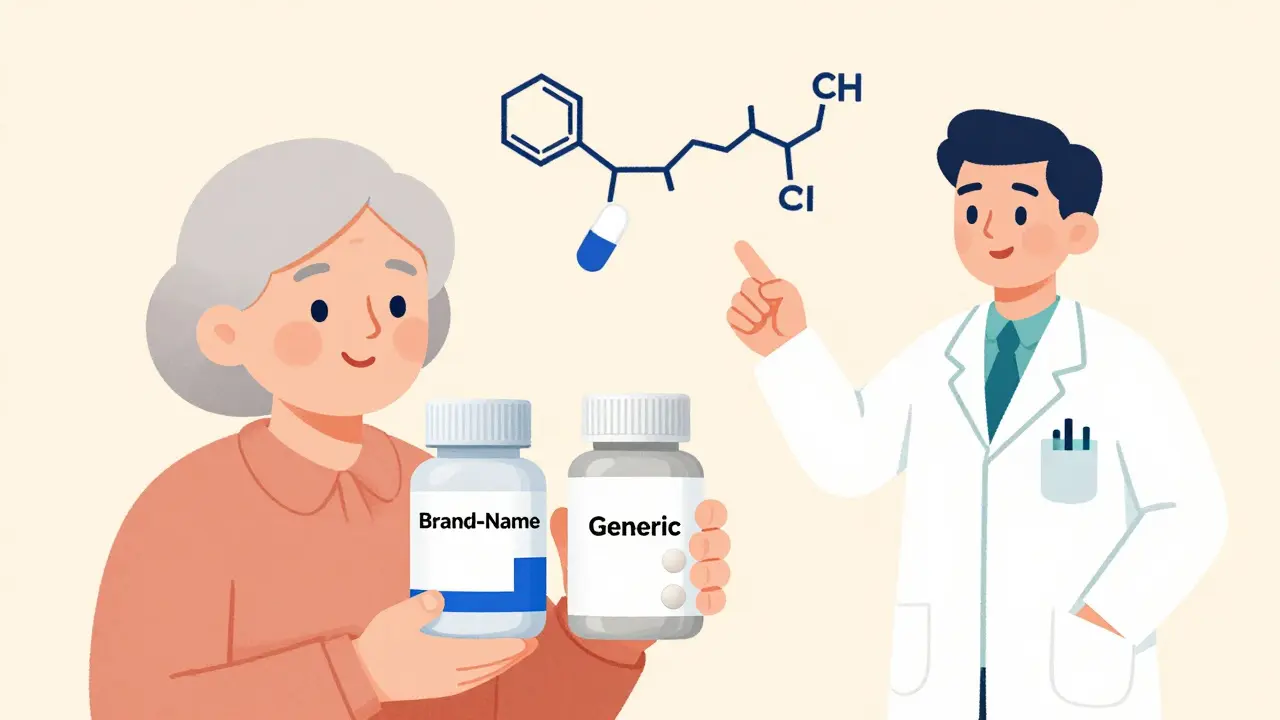
Elderly Patients Switching to Generics: What You Need to Know About Safety and Effectiveness
Elderly patients often switch to generic medications to save money, but concerns about safety and effectiveness are common. Learn what really matters when switching generics in older adults, which drugs need extra care, and how to avoid risks.
Read more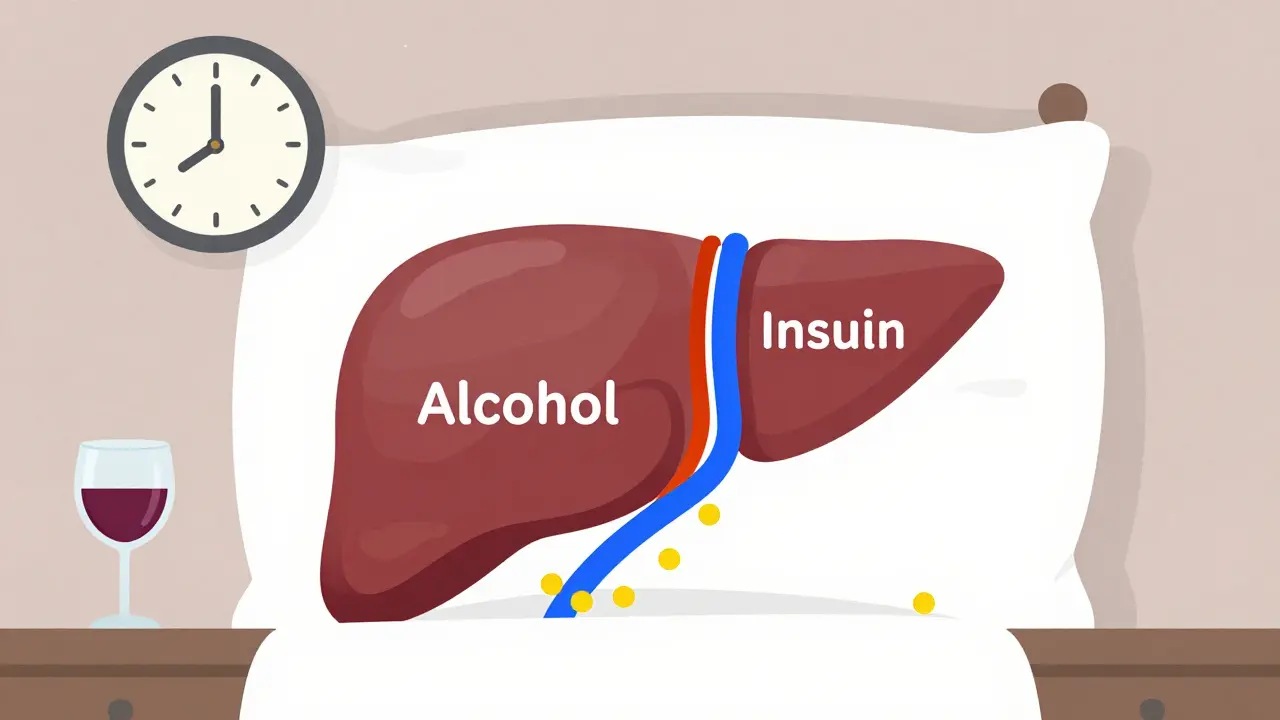
Alcohol and Diabetes Medications: How Drinking Affects Blood Sugar and Liver Health
Drinking alcohol while on diabetes meds can cause dangerous drops in blood sugar and damage your liver. Learn how metformin, insulin, and sulfonylureas interact with alcohol-and what steps you can take to stay safe.
Read more
Prescription Medications Illegal in Certain Countries: Check Before You Go
Many prescription drugs legal at home are banned overseas. From Adderall in Japan to codeine in Dubai, traveling with meds can land you in jail. Here’s what you need to know before your next trip.
Read more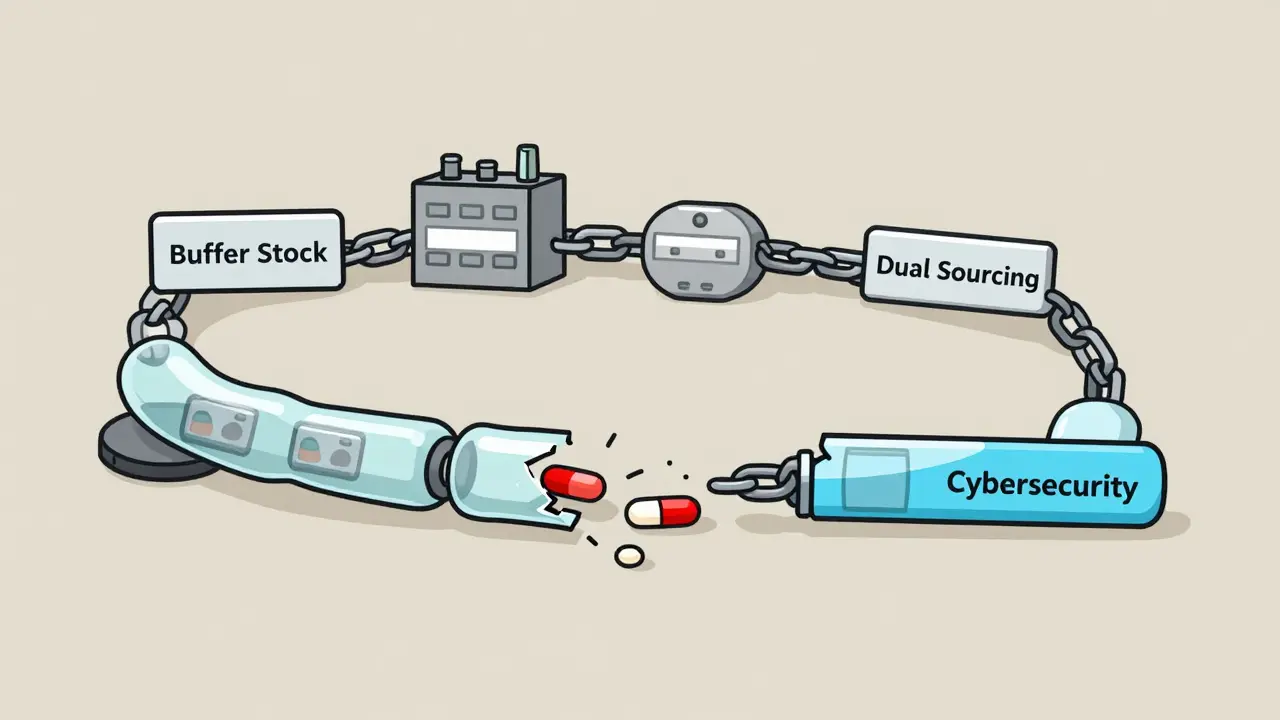
Long-term Solutions: Building Resilience into the Drug Supply to Prevent Critical Shortages
Drug shortages are rising because supply chains are built for cost, not safety. Learn how buffer stocks, supplier diversification, cybersecurity, and smarter regulations can create a resilient system that keeps life-saving medicines available when they’re needed most.
Read more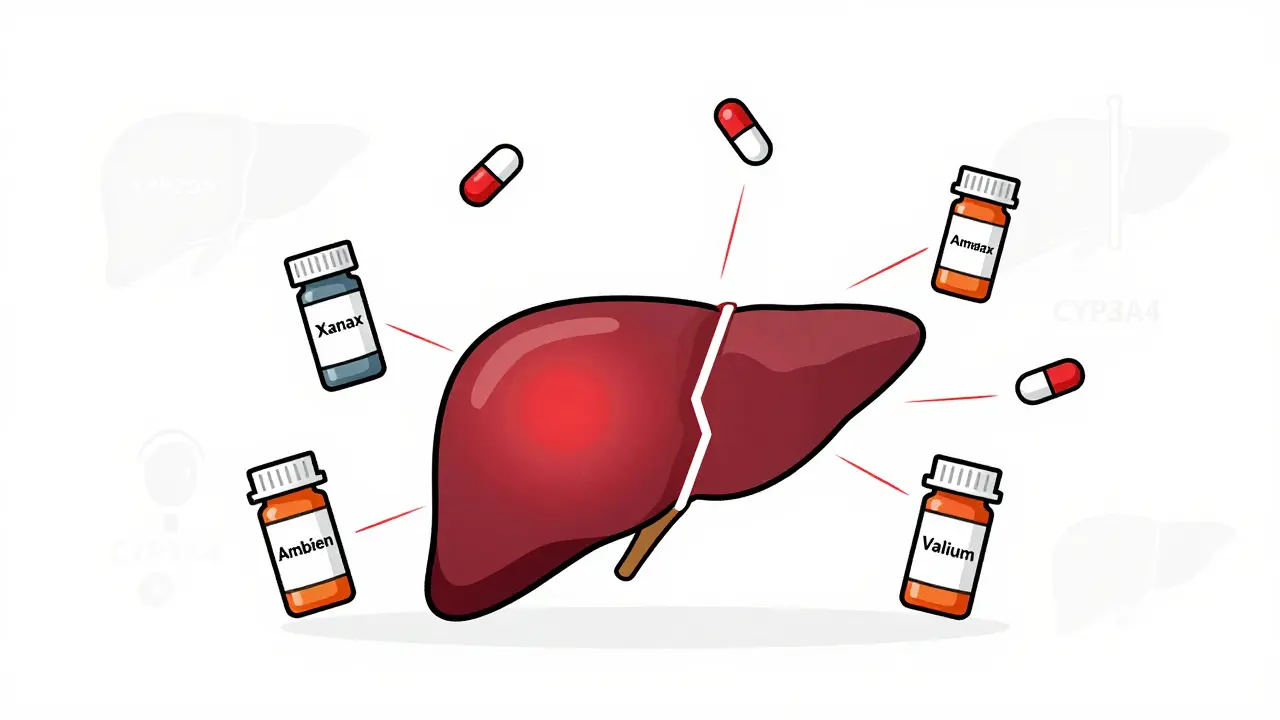
Kava and Sedative Medications: What You Need to Know About Liver and Sedation Risks
Kava may help with anxiety, but mixing it with sedative medications can cause severe liver damage and dangerous drowsiness. Learn the real risks, who’s most at risk, and what to do if you’re using both.
Read more
OTC to Prescription Switches: What Consumers Need to Know About Safety
OTC switches make medications easier to access, but they also remove doctor oversight. Learn how to use these drugs safely, avoid dangerous interactions, and protect yourself from hidden risks.
Read more
How to Search FDA’s Drugs@FDA Database for Official Drug Information
Learn how to search the FDA's Drugs@FDA database to find official drug approval records, labels, and review documents. A practical guide for patients, pharmacists, and healthcare professionals.
Read more
Heart Failure Medications: ACEIs, ARNI, Beta Blockers, and Diuretics Explained
Learn how ACE inhibitors, ARNI, beta blockers, and diuretics work together to treat heart failure, reduce hospitalizations, and extend life. Real patient experiences and latest guidelines explained.
Read more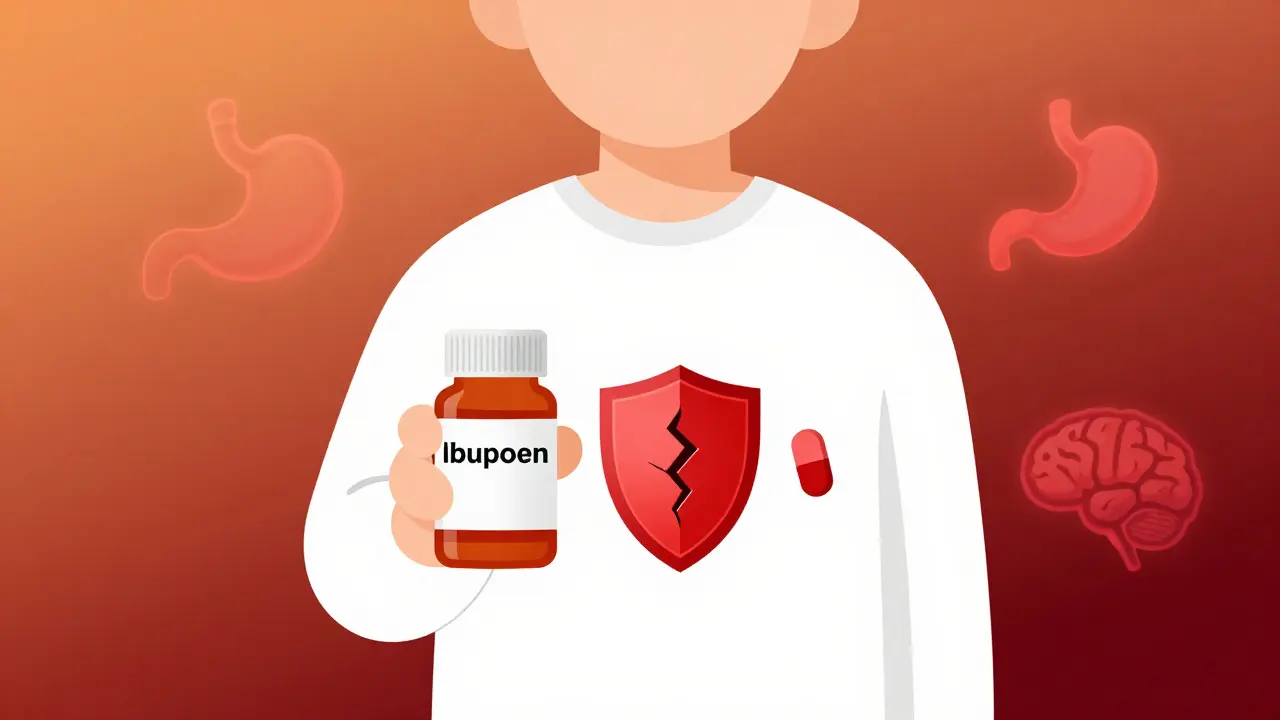
NSAIDs and Blood Thinners: What You Need to Know About the Dangerous Combo
Combining NSAIDs like ibuprofen or naproxen with blood thinners greatly increases the risk of dangerous bleeding. Learn why this combo is life-threatening, what safer alternatives exist, and how to protect yourself.
Read more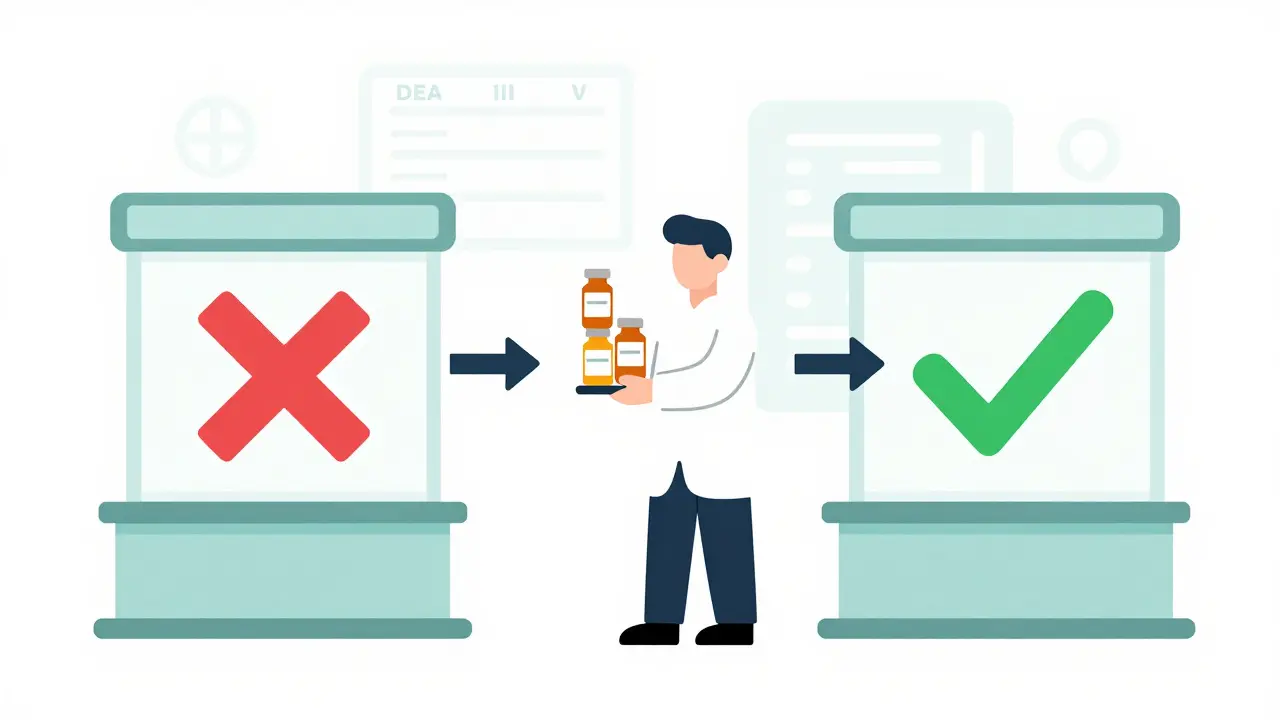
Switching Pharmacies: What Information You Need to Provide for Prescription Transfers
Learn exactly what information you need to provide when switching pharmacies, including critical details for controlled substances under DEA rules. Avoid delays and denials with this clear, up-to-date guide.
Read more