Author: Kalisha Nurse-Dash - Page 3
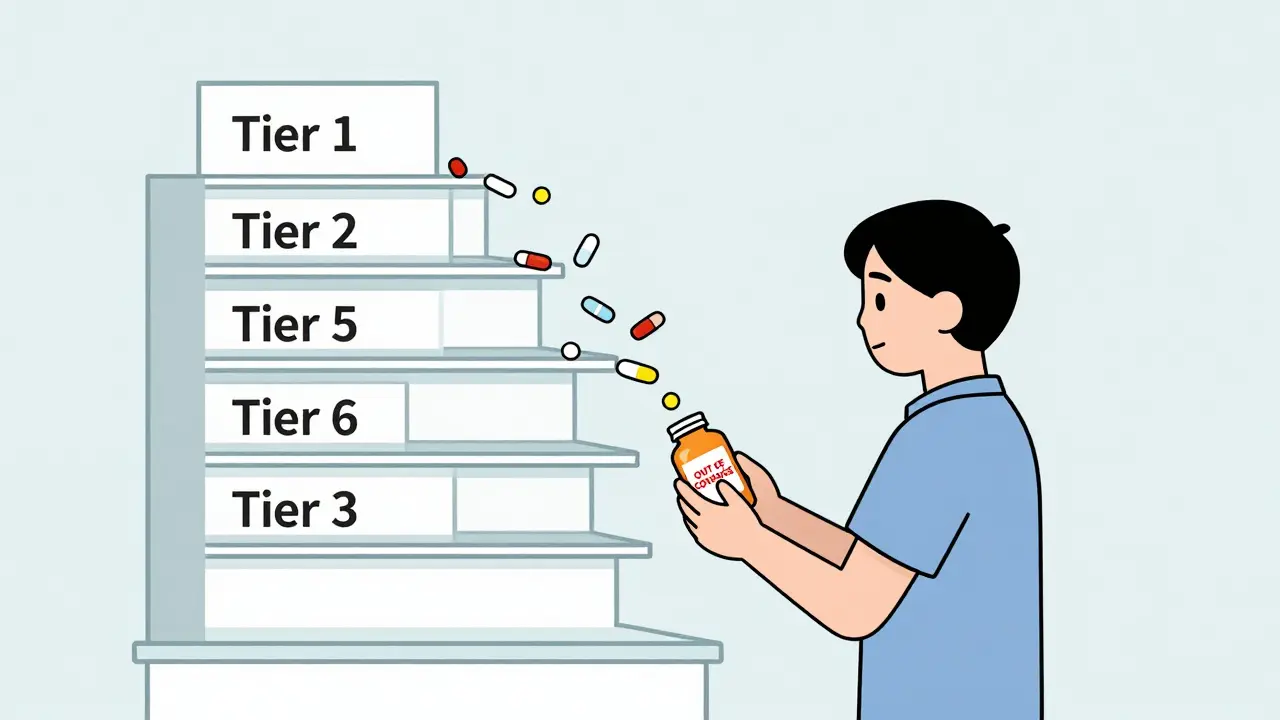
Managing Formulary Changes: How to Handle Prescription Drug Coverage Updates
Formulary changes can disrupt your medication access and increase out-of-pocket costs. Learn how to spot changes early, request exceptions, switch plans, and find affordable alternatives to keep your treatment on track.
Read more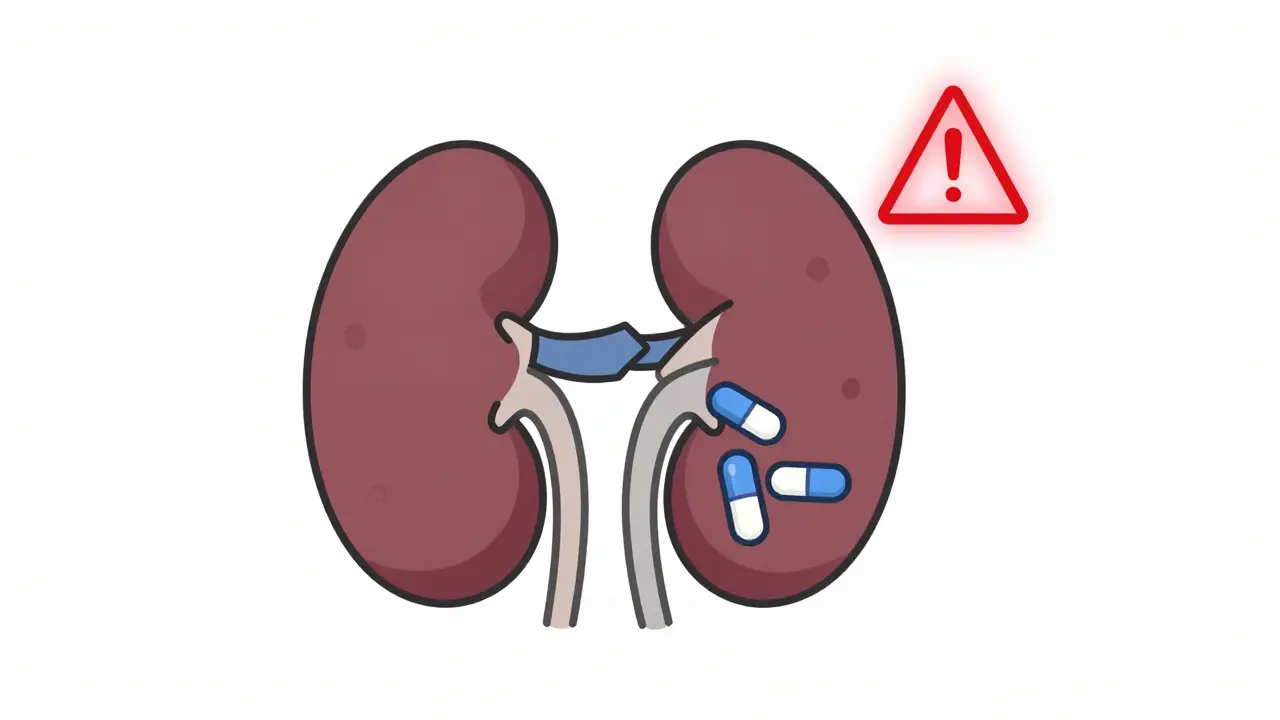
Renal Dosing of Antibiotics: How to Avoid Toxicity in Kidney Disease
Renal dosing of antibiotics is critical to avoid toxicity in kidney disease. Learn how to adjust doses using creatinine clearance, which antibiotics need changes, and why confusing acute and chronic kidney injury can be deadly.
Read more
How to Report a Medication Error or Concern to Your Provider
Learn how to report a medication error to your provider-step by step. From recognizing the mistake to filing with the FDA, this guide helps you protect yourself and prevent future harm.
Read more
COPD Stages Explained: What Mild, Moderate, and Severe Really Mean
COPD stages are based on lung function tests, not just symptoms. Learn what mild, moderate, and severe really mean for your treatment, daily life, and long-term outlook - and why early action changes everything.
Read more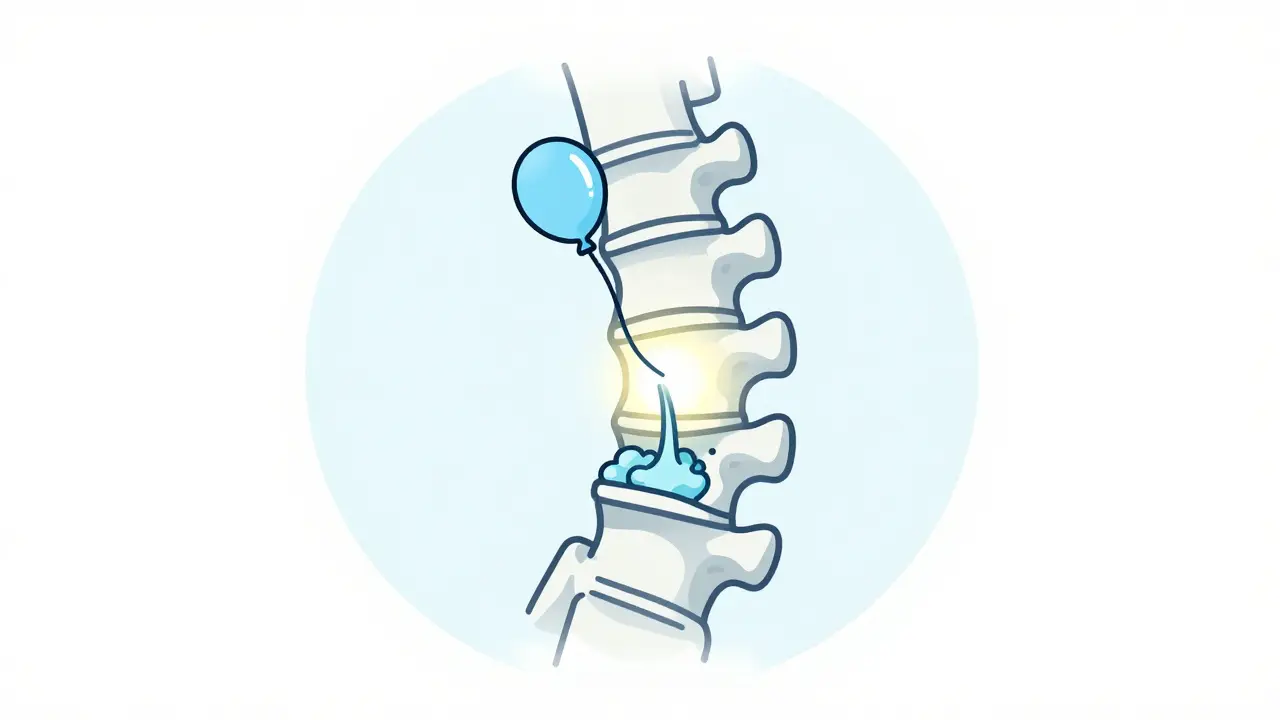
Kyphoplasty vs Vertebroplasty: What You Need to Know About Vertebral Fracture Treatment
Kyphoplasty and vertebroplasty are minimally invasive treatments for spinal fractures caused by osteoporosis. Both offer rapid pain relief, but kyphoplasty can restore height and has lower leakage risk. Which is right for you?
Read more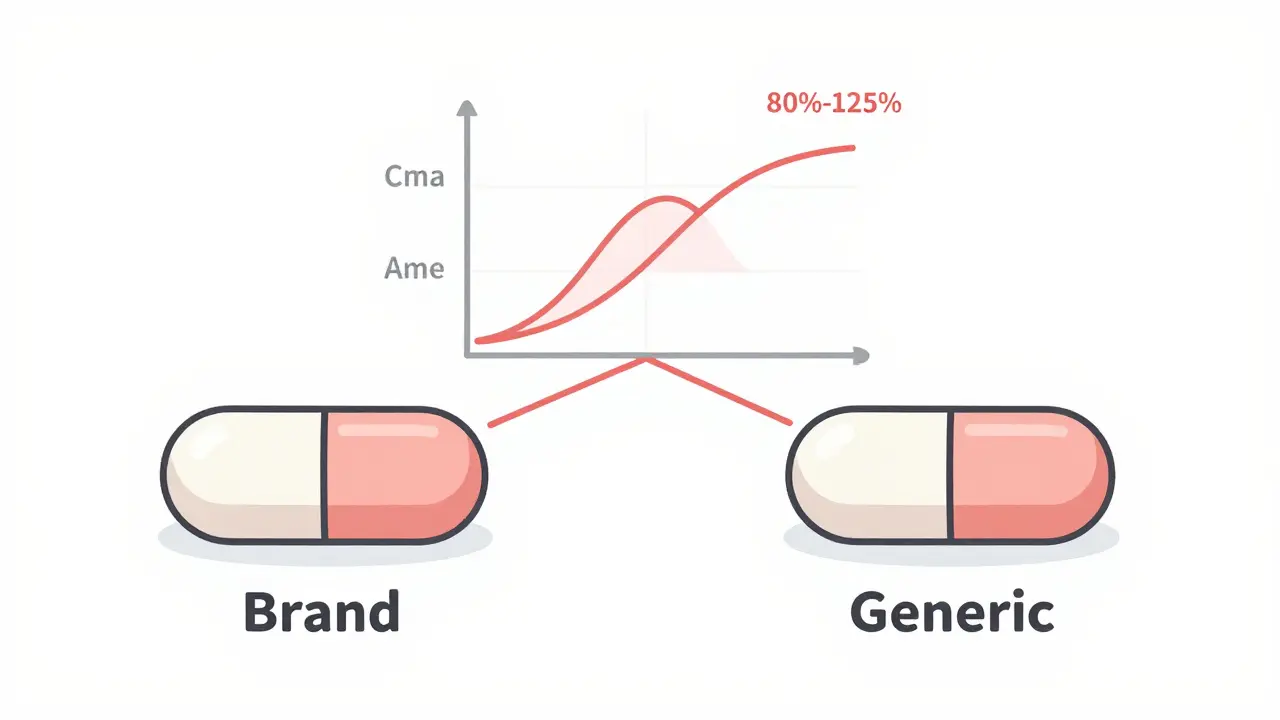
Bioequivalence Testing for Generic Drugs: What It Actually Proves
Bioequivalence testing proves generic drugs work the same as brand-name versions by measuring how they're absorbed in the body. It's not guesswork-it's science with strict standards.
Read more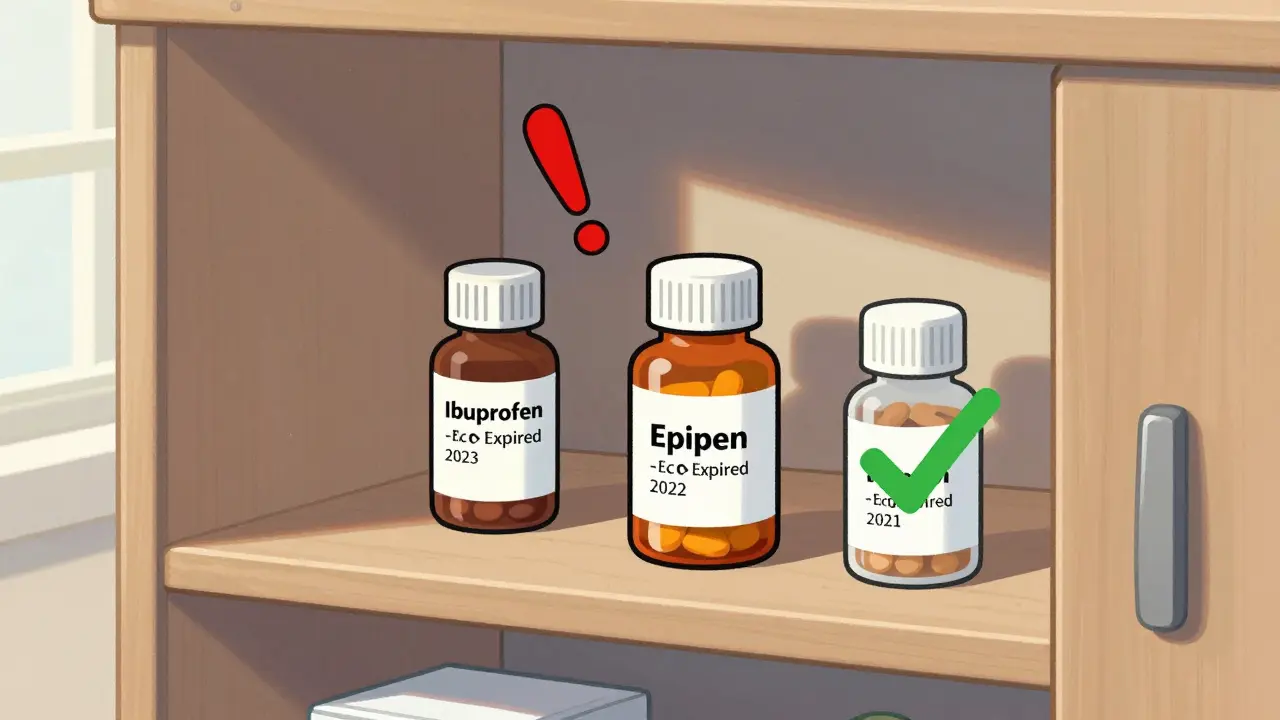
Are Expired Medications Safe to Take or Should You Replace Them
Expired medications aren't always dangerous-but some can be deadly. Learn which pills are safe to use after expiration, which ones to replace immediately, and how to dispose of them properly.
Read more
Counterfeit Drugs in Developing Nations: How Fake Medicines Are Killing People and What Can Be Done
Counterfeit drugs in developing nations kill tens of thousands each year. Fake medicines lack active ingredients or contain toxins, causing treatment failures, drug resistance, and death. Here’s how they spread, why people buy them, and what’s being done to stop them.
Read more
Questions to Ask About Your Prescription Label at the Pharmacy
Learn the key questions to ask about your prescription label at the pharmacy to avoid dangerous medication errors. Understand dosage, storage, side effects, and refills with expert-backed tips.
Read more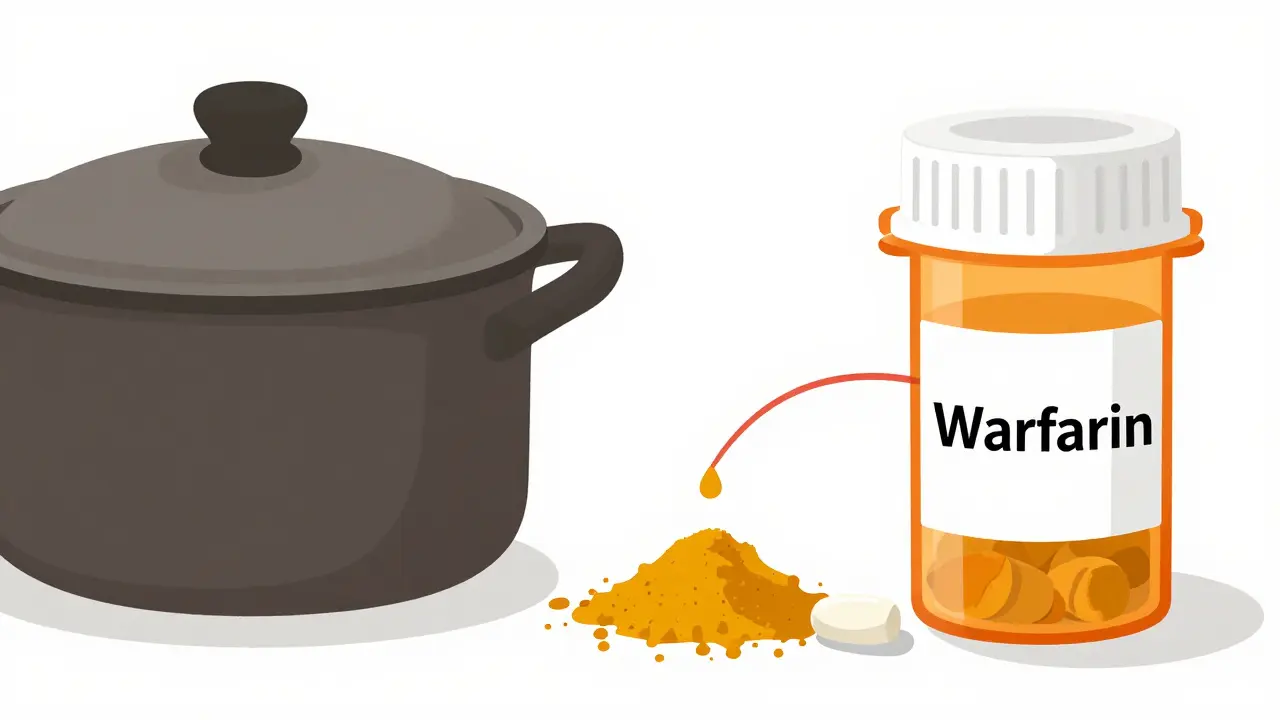
Turmeric and Blood Thinners: What You Need to Know About the Bleeding Risk
Turmeric supplements can dangerously increase bleeding risk when taken with blood thinners like warfarin or Xarelto. Real cases show INR levels spiking to life-threatening levels. Avoid supplements-spice is safe.
Read more
Authorized Generics List: Which Drugs Offer This Option
Learn which brand-name drugs have authorized generic versions-identical medications sold at lower prices. Find out how they differ from regular generics and which ones may be right for you.
Read more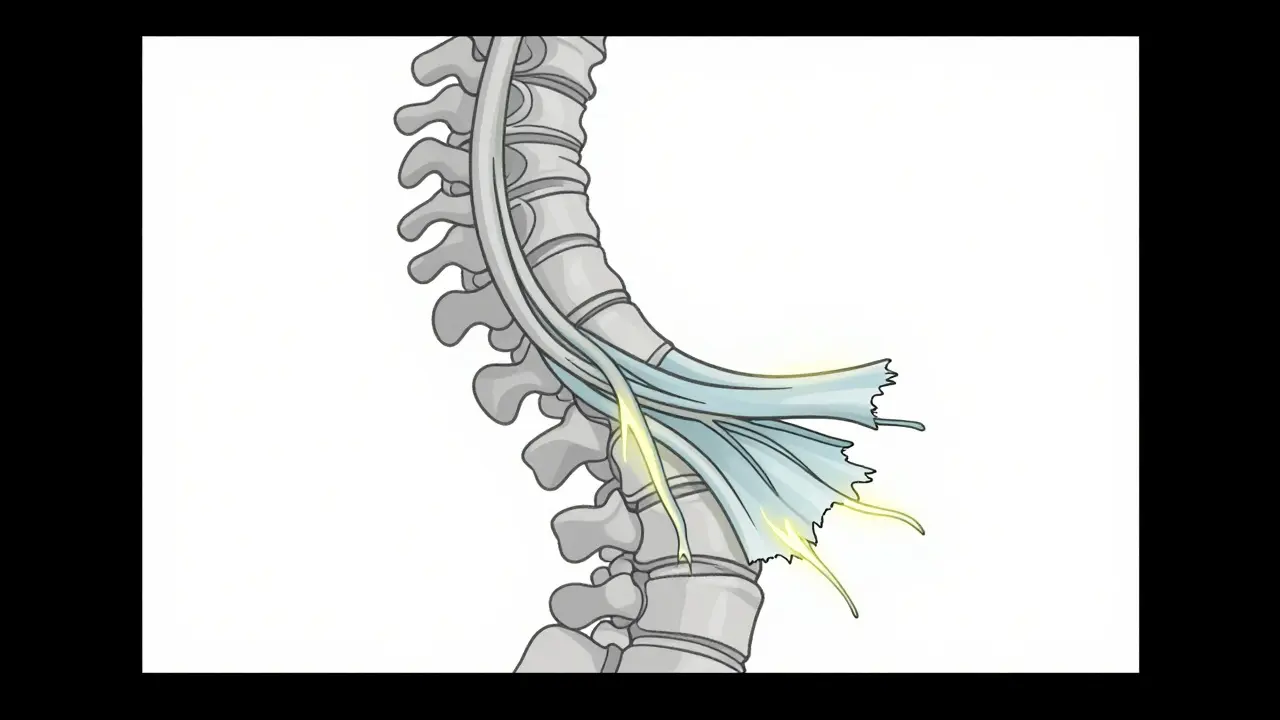
Multiple Sclerosis: Understanding Neurological Deterioration and How Disease-Modifying Therapies Work
Multiple sclerosis leads to irreversible nerve damage over time, not just inflammation. Understanding how axonal degeneration drives progression and why current treatments fall short is key to managing the disease effectively.
Read more