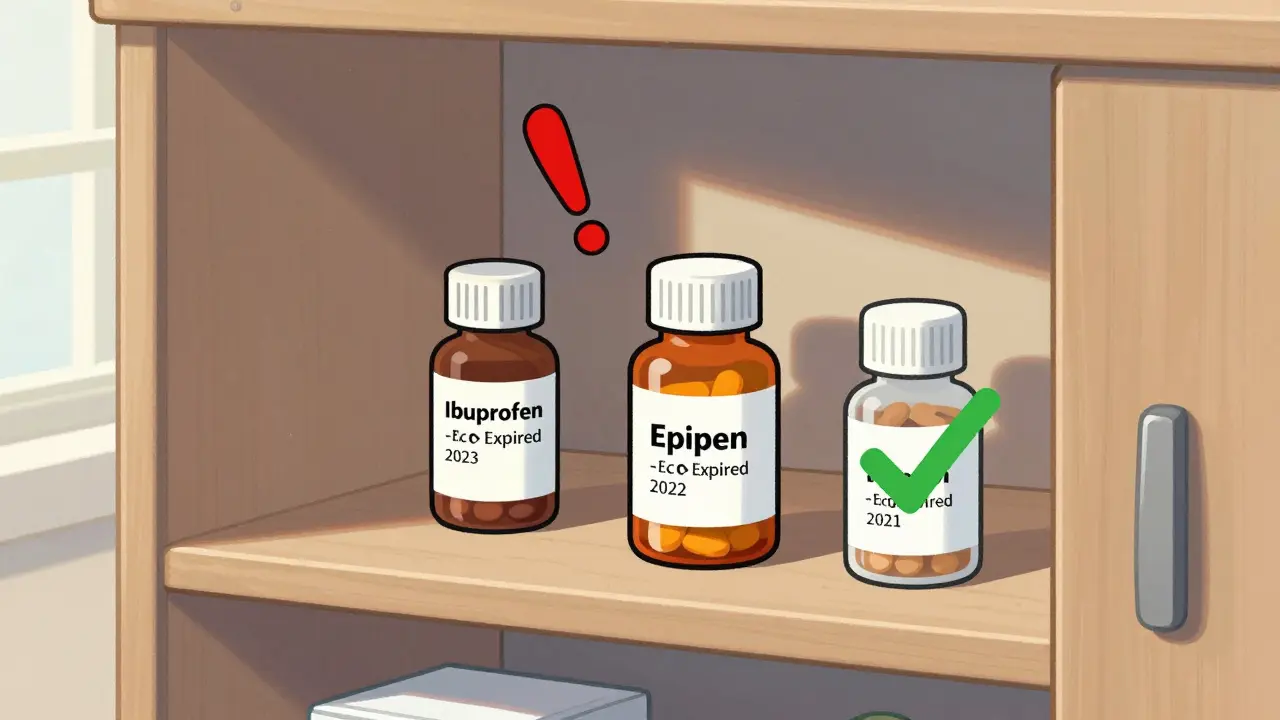
Most people have a drawer or cabinet full of old pills-maybe that ibuprofen from last winter’s cold, or the antibiotic left over from a previous infection. You look at the date on the bottle and wonder: is it still safe to take? The answer isn’t simple. Some expired meds are harmless. Others could be dangerous. And some could mean the difference between life and death.
What Does an Expiration Date Actually Mean?
The date on your medicine bottle isn’t a "use-by" date like milk. It’s the last day the manufacturer guarantees the drug will work as intended, and that it’s safe to use under proper storage conditions. This is based on strict testing required by the FDA since 1979. Companies test pills and liquids under heat, light, and humidity to see how long they hold up. Once that date passes, they can’t promise it still works-or that it won’t break down into something harmful.But here’s the twist: the FDA’s own military program, the Shelf Life Extension Program, found that 90% of stockpiled drugs remained stable for up to 15 years past their expiration date. That’s not a loophole for your medicine cabinet. That’s for emergency stockpiles under controlled conditions. Your bathroom cabinet? Not the same.
Which Medications Are Riskiest After Expiration?
Not all pills are created equal. Some degrade slowly. Others fall apart fast-and sometimes, dangerously.Life-saving drugs like epinephrine (EpiPens), insulin, nitroglycerin, and seizure medications should never be used past their expiration. EpiPens lose 20-30% of their potency within six months after expiring. If you’re having a severe allergic reaction and your EpiPen is old, it might not stop the swelling. That’s not a gamble you can afford. Same with insulin: it can clump or turn cloudy, meaning your blood sugar won’t drop like it should. One study showed liquid antibiotics stored in warm conditions lost half their strength in just three days.
Tetracycline antibiotics are another red flag. They don’t just lose strength-they break down into toxic chemicals that can cause kidney damage. There’s a documented case from 2023 of someone developing severe esophageal ulcers after taking expired tetracycline. That’s not a myth. It’s real.
On the other hand, solid pills like ibuprofen, acetaminophen, or aspirin tend to hold up well. Studies show many retain 90% of their potency even five years after expiration-if kept dry and cool. That doesn’t mean you should stockpile them. But if you’re out of painkillers and the bottle expired three months ago? It’s probably fine for a headache.
Storage Matters More Than You Think
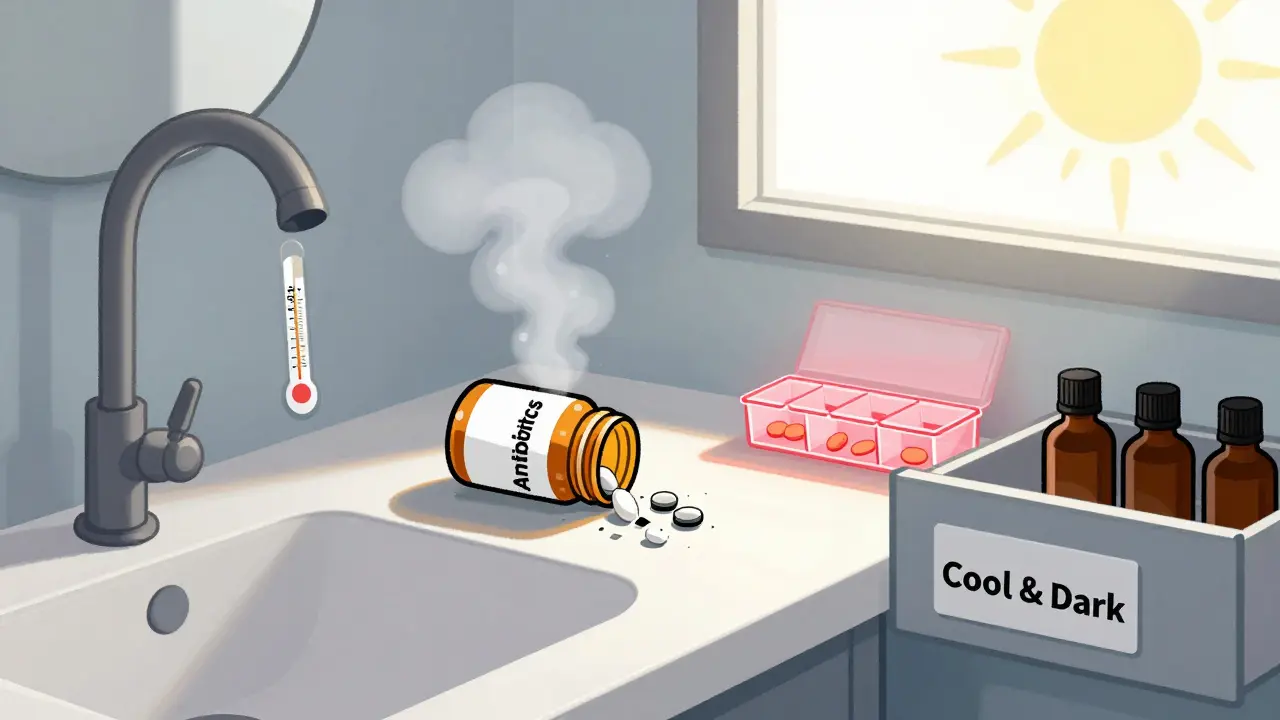
Your medicine’s lifespan isn’t just about the date on the label. It’s about where you keep it.Storing pills in the bathroom? That’s a bad idea. Humidity from showers can make tablets crumble and liquids spoil faster. Heat is just as bad. If your car hits 104°F (40°C) on a summer day and you leave your insulin in the glovebox, it’s ruined.
Best practice? Keep meds in their original bottles, tightly closed, in a cool, dark place-like a bedroom drawer. Avoid plastic bags or pill organizers left in direct sunlight. Amber glass bottles protect better than clear plastic. One study found they block 40% more damaging light.
What Happens When You Take an Expired Drug?
Most of the time, nothing dramatic. You might just feel like the medicine isn’t working. But that’s the real danger.Take antibiotics. If they’ve lost potency, they might not kill all the bacteria. The ones that survive? They become resistant. That’s how superbugs like MRSA spread. The CDC links incomplete antibiotic courses from expired meds to rising antibiotic resistance. You’re not just wasting money-you’re making future infections harder to treat.
For chronic conditions like high blood pressure or thyroid disease, even a small drop in potency can cause serious problems. Levothyroxine, for example, needs to be exact. A 10% drop in strength can throw your metabolism off, causing fatigue, weight gain, or heart issues.
And then there’s the psychological risk. People who rely on expired meds for anxiety, asthma, or heart conditions might delay getting help because they think the old pills are still working. That delay can be deadly.
When Is It Okay to Use an Expired Medicine?
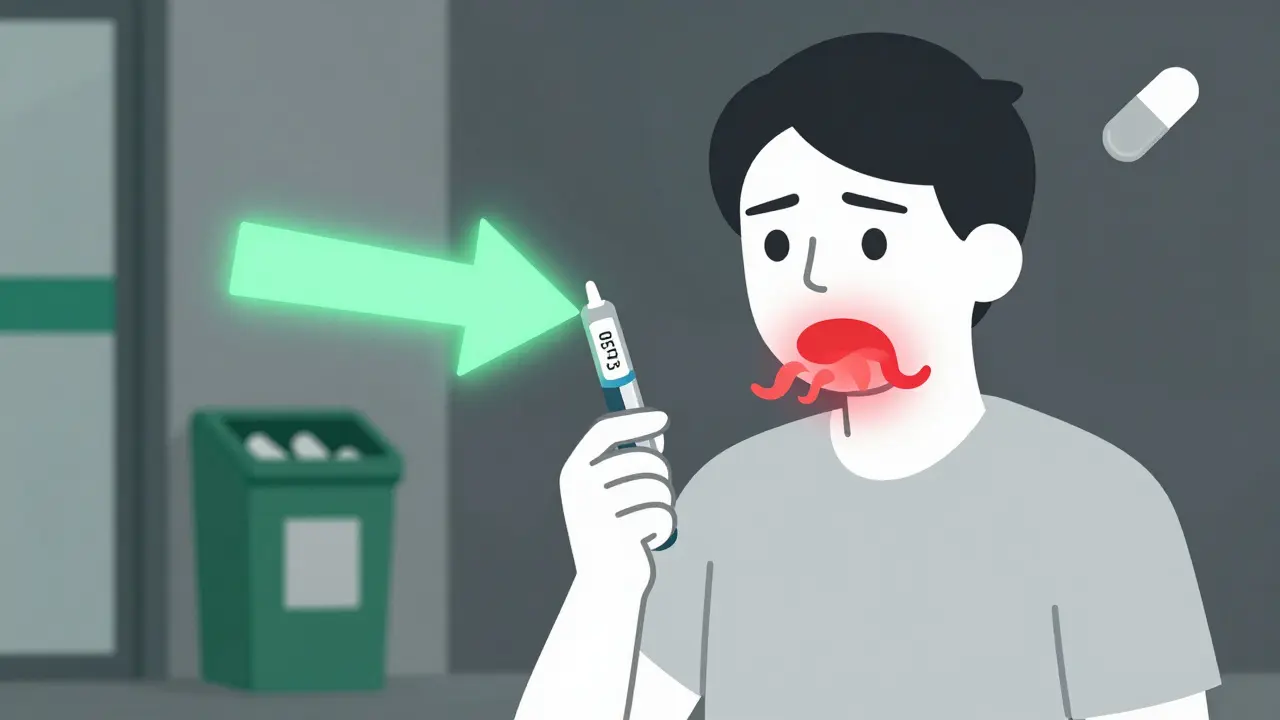
There’s one exception: emergencies.If you’re having a heart attack and your nitroglycerin expired six months ago? Take it. If you’re choking on an allergic reaction and your EpiPen is out of date? Use it. Then call 911. In those moments, a weakened dose is better than nothing.
For minor stuff-headaches, mild allergies, heartburn-using a pill that expired a few months ago is low risk. But don’t make it a habit. Replace it. You’re not saving money by keeping old meds. You’re risking your health.
How to Safely Dispose of Expired Medications
Don’t flush them unless they’re on the FDA’s official Flush List (like fentanyl patches or oxycodone). Most meds shouldn’t go down the drain. They end up in waterways.Best option? Find a drug take-back location. In the U.S., there are over 14,500 authorized collection sites-pharmacies, hospitals, police stations. If you’re in New Zealand, check with your local pharmacy or public health service. They often have drop-off bins.
No take-back nearby? Here’s what to do:
- Remove pills from their original bottles.
- Mix them with something unappetizing-used coffee grounds, cat litter, or dirt.
- Put the mix in a sealed container (like a jar or ziplock bag).
- Toss it in the trash.
- Scratch out your name and prescription number on the empty bottle before recycling it.
This keeps kids and pets from getting into them, and prevents people from fishing them out of the trash.
What Should You Do Today?
Take five minutes right now. Go to your medicine cabinet. Pull out everything with a date on it. Check the expiration.Keep these:
- Over-the-counter painkillers that expired within the last year (if stored well)
- Antihistamines for occasional allergies
Replace these immediately:
- EpiPens, insulin, nitroglycerin, seizure meds, thyroid meds
- Any liquid antibiotics or eye drops
- Tetracycline or any antibiotic you’re unsure about
Dispose of the rest properly. Don’t wait for a "good time." Your health isn’t something to postpone.
What’s Changing in the Future?
The FDA is testing new tech that could change expiration dates forever. Imagine a pill with a tiny sensor that changes color when it starts degrading. Or a patch that tells you if your insulin is still good based on temperature history. These aren’t sci-fi-they’re in development. By 2027, we might see personalized expiration dates based on how you actually store your meds.Until then? Stick to the label. When in doubt, replace it. Your body doesn’t care about cost savings. It cares about safety, potency, and trust.
Can expired medications become toxic?
Most expired medications don’t turn toxic. But there are exceptions. Tetracycline antibiotics can break down into compounds that damage your kidneys. Other drugs, like insulin or epinephrine, don’t become poisonous-they just stop working. The real danger isn’t poisoning-it’s failure. Taking an expired asthma inhaler or EpiPen that doesn’t work can be life-threatening.
How long after expiration are pills still effective?
It depends on the drug and how it’s stored. Solid pills like ibuprofen or acetaminophen often stay at 90% potency for 1-5 years past expiration if kept cool and dry. Liquid medications, eye drops, and insulin degrade much faster-sometimes within months. There’s no universal rule. When in doubt, assume it’s no longer reliable.
Is it safe to use expired allergy medicine?
For occasional use, like a stuffy nose or mild itching, an antihistamine that expired a few months ago is usually fine. But if you rely on it for severe allergies or asthma, don’t risk it. The dose might be too low to stop a reaction. Always replace allergy meds before they expire, especially if you’ve had a serious reaction before.
Should I throw away expired antibiotics?
Yes. Always. Even if you feel better, using expired antibiotics can leave behind the strongest bacteria. Those survivors can multiply and become resistant to treatment. That’s how superbugs form. Never save antibiotics for later. Finish your course, and dispose of leftovers properly.
Can I use expired epinephrine in an emergency?
If you’re having a life-threatening allergic reaction and your EpiPen is expired, use it anyway. It might not work as well, but it’s better than nothing. Then call emergency services immediately. Don’t wait. Expired epinephrine is not ideal-but not using it at all is far more dangerous.


Chris Urdilas
January 27, 2026 AT 21:56