Author: Kalisha Nurse-Dash - Page 2
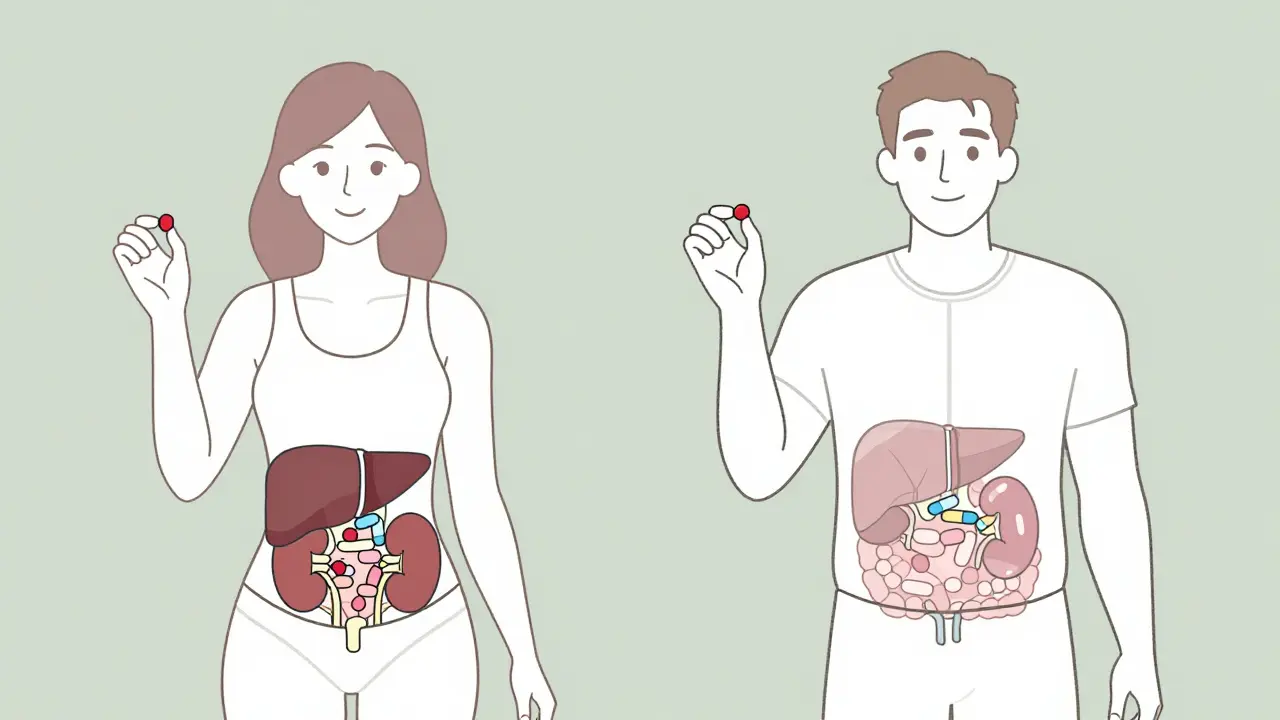
Women vs Men: Why Medication Side Effects Differ by Sex
Women experience nearly twice as many medication side effects as men due to biological differences and historical exclusion from drug trials. Learn why dosing isn't one-size-fits-all-and what's being done to fix it.
Read more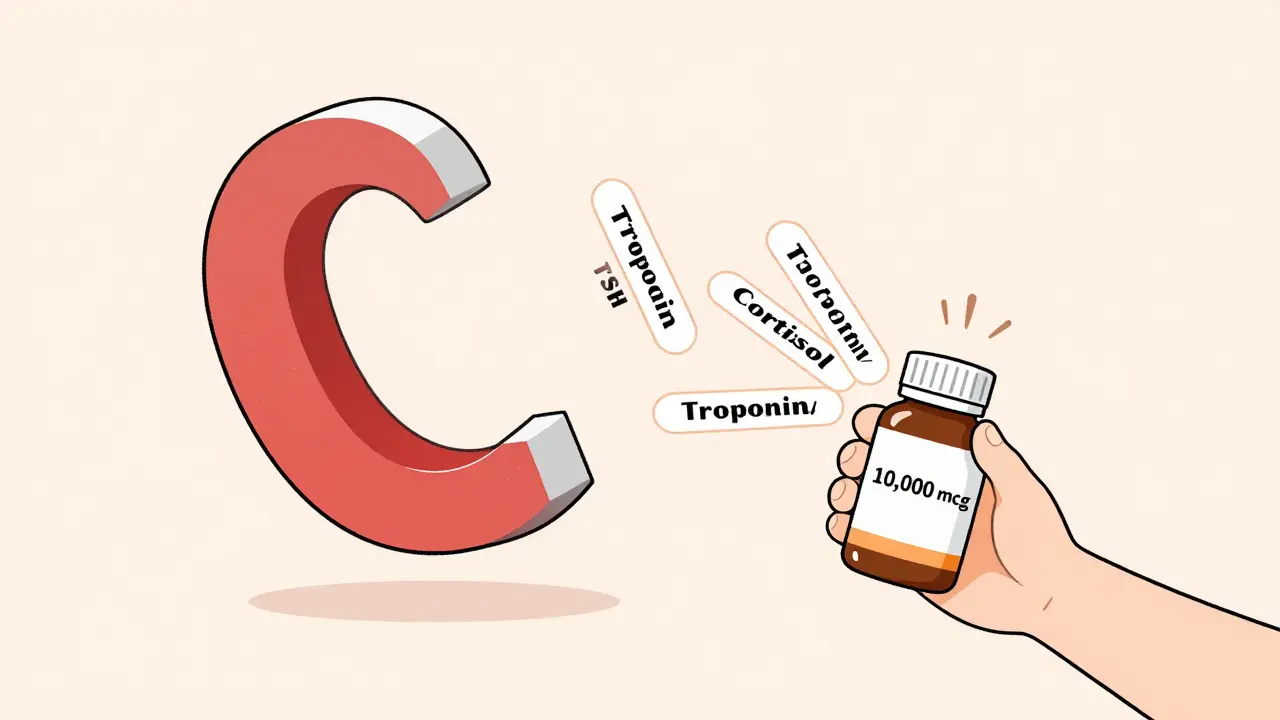
Biotin Supplements and Lab Tests: How High Doses Can Cause Dangerous False Results
High-dose biotin supplements can cause dangerous false lab results, leading to misdiagnoses of heart attacks, thyroid disorders, and more. Learn how to protect yourself before your next blood test.
Read more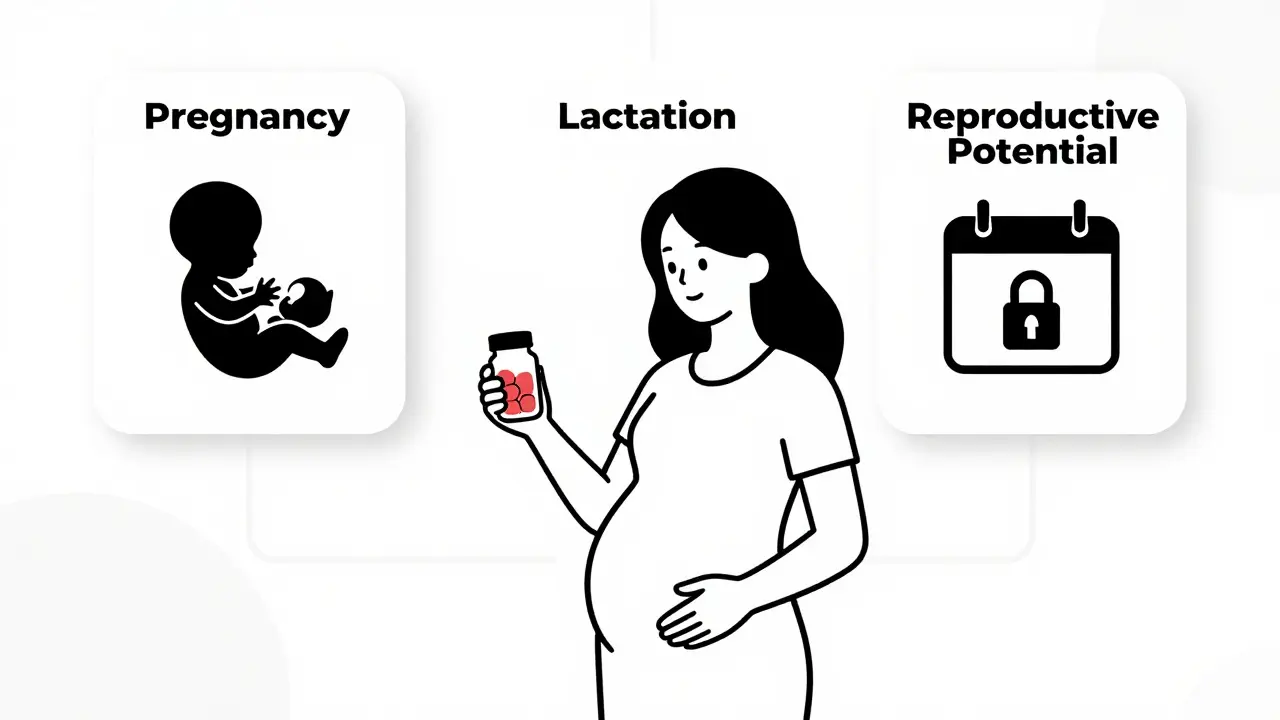
How to Read Pregnancy and Lactation Labeling on Drugs
Learn how to read the updated pregnancy and lactation labeling on prescription drugs. The FDA's PLLR replaced outdated letter categories with detailed, evidence-based guidance for safer use during pregnancy and breastfeeding.
Read more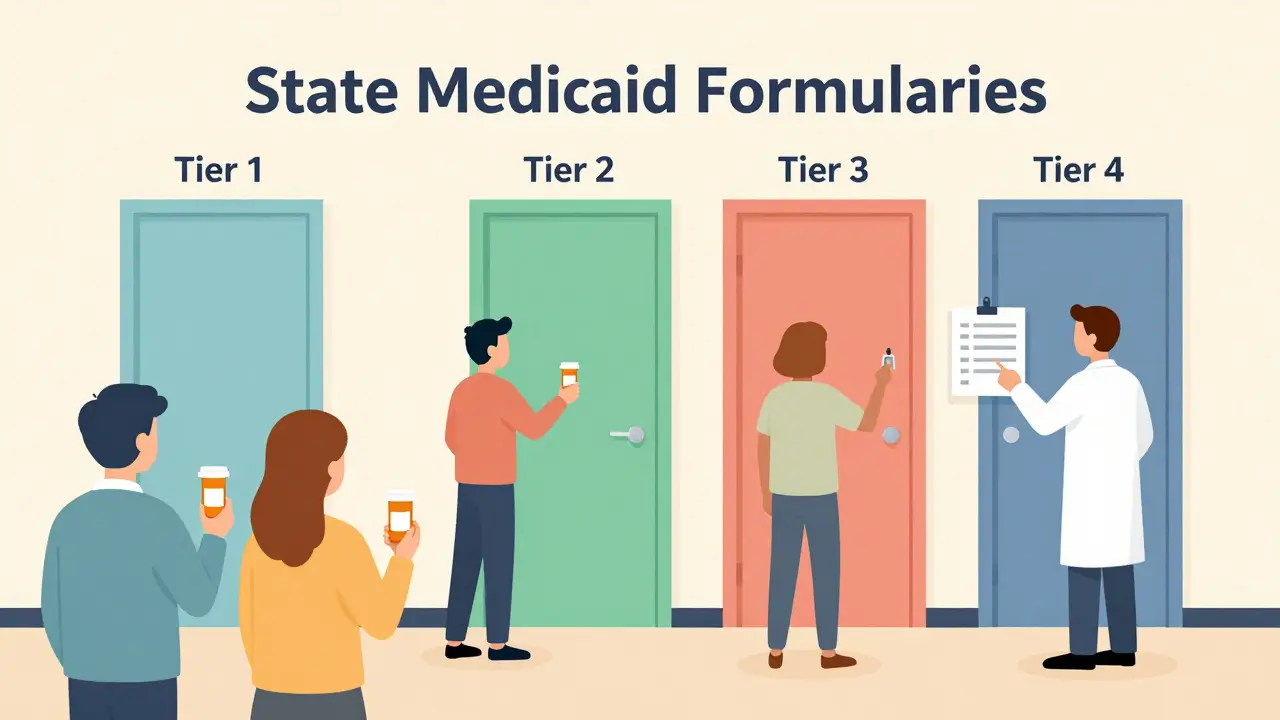
Medicaid Coverage for Prescription Medications: What’s Included in 2026
Medicaid covers prescription drugs for 85 million Americans, but what's included varies by state. Learn about tiered formularies, prior authorization, copays, and how to get the meds you need in 2026.
Read more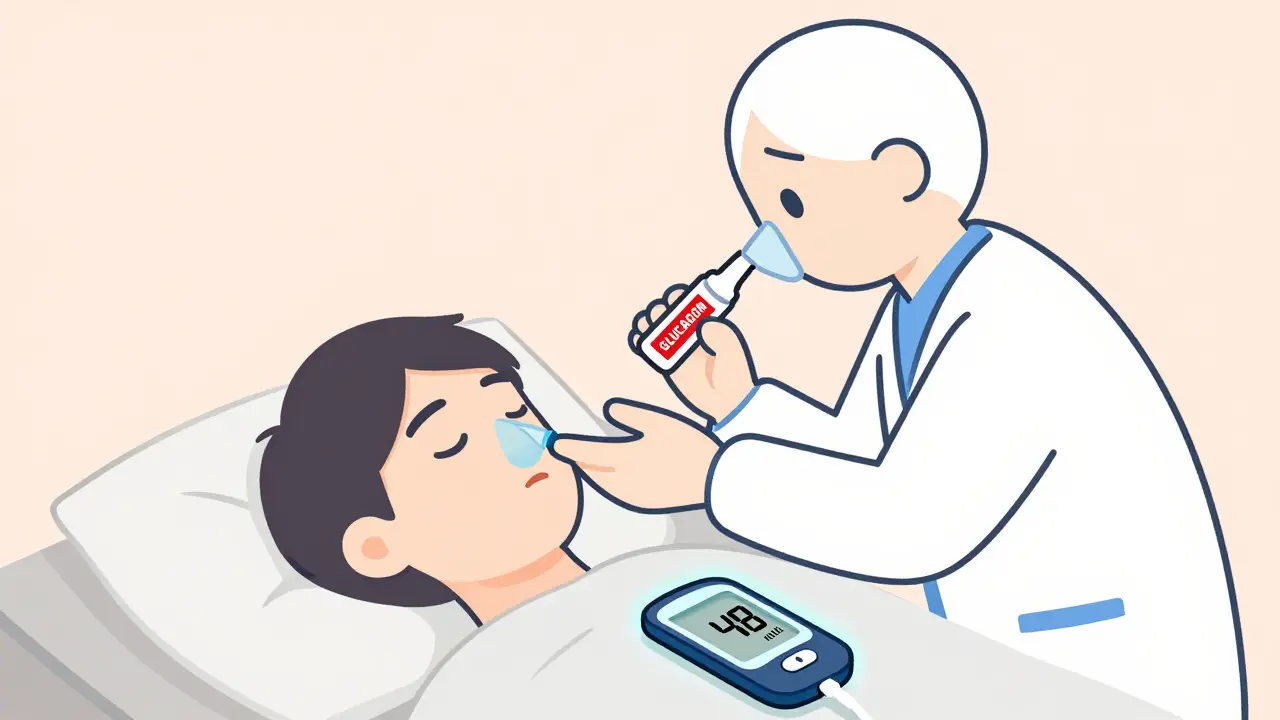
Severe Hypoglycemia and Hyperglycemia from Diabetes Medications: Emergency Care Protocols You Need to Know
Severe hypoglycemia and hyperglycemia from diabetes meds require immediate, correct action. Learn the latest emergency protocols, new glucagon tools, and what to do - and not do - in a crisis.
Read more
Long-Term Opioid Use: How It Slows Down Hormones and Hurts Sexual Health
Long-term opioid use disrupts hormone production, leading to low testosterone in men and menstrual issues in women. This hidden side effect causes sexual dysfunction, fatigue, and depression. Most doctors don’t screen for it-but you should.
Read more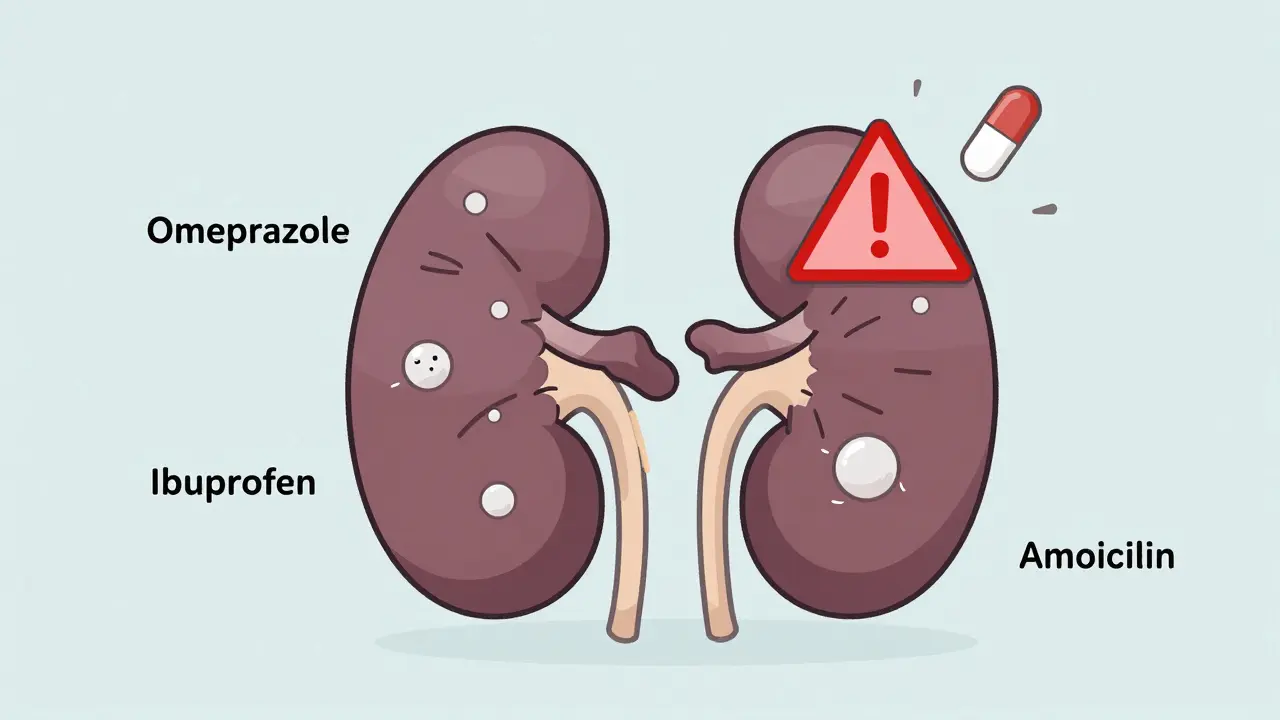
Acute Interstitial Nephritis: How Drugs Damage Kidneys and What Recovery Really Looks Like
Acute interstitial nephritis is a serious kidney reaction often caused by common drugs like PPIs and NSAIDs. Early detection and stopping the culprit medication are critical-delayed diagnosis can lead to permanent kidney damage.
Read more
Cancer Clinical Trials: Phases and Participation Benefits
Cancer clinical trials follow a structured five-phase system to test new treatments safely. Learn how each phase works, the real benefits of participating, and what challenges patients face today.
Read more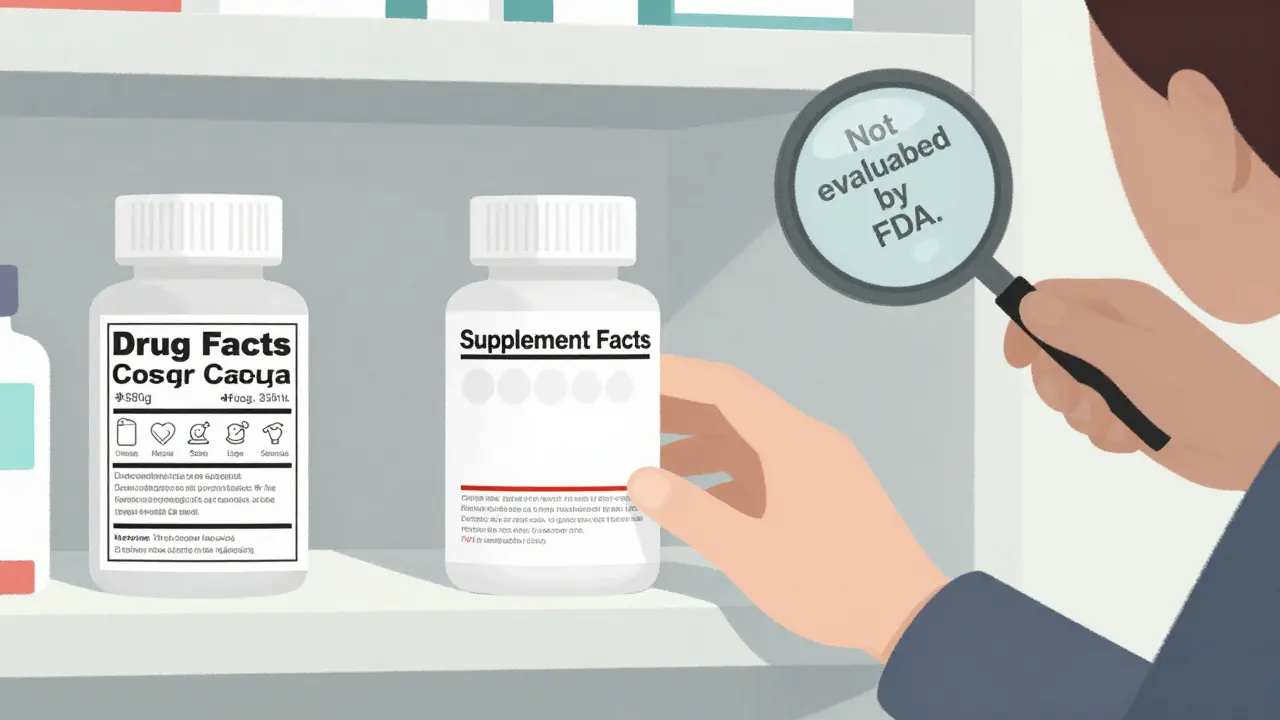
OTC Vitamins and Supplements: What the Drug Facts Label Doesn't Tell You
OTC vitamins and supplements aren't regulated like medications - and their labels hide critical safety gaps. Learn what's missing, why it matters, and how to protect yourself.
Read more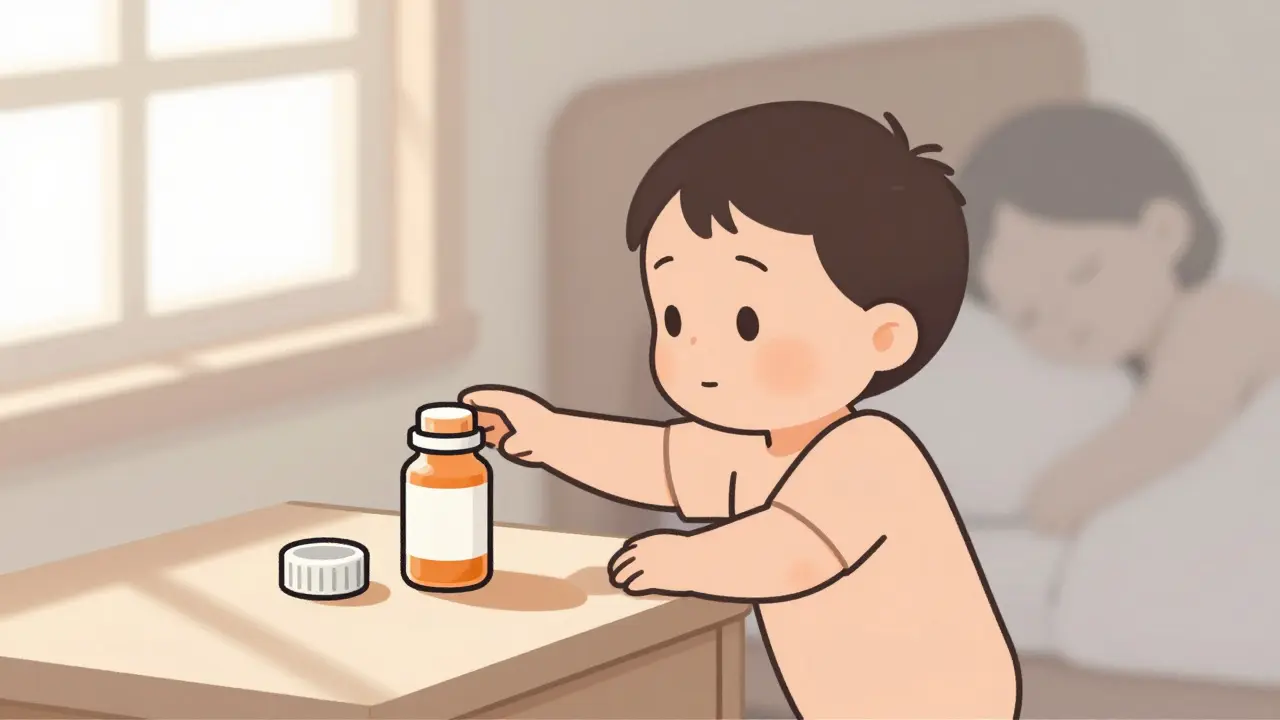
Pediatric Medication Safety: Special Considerations for Children
Children are not small adults when it comes to medicine. Pediatric medication safety requires precise dosing, secure storage, and clear instructions to prevent deadly errors. Learn the key risks and how to protect kids at home and in hospitals.
Read more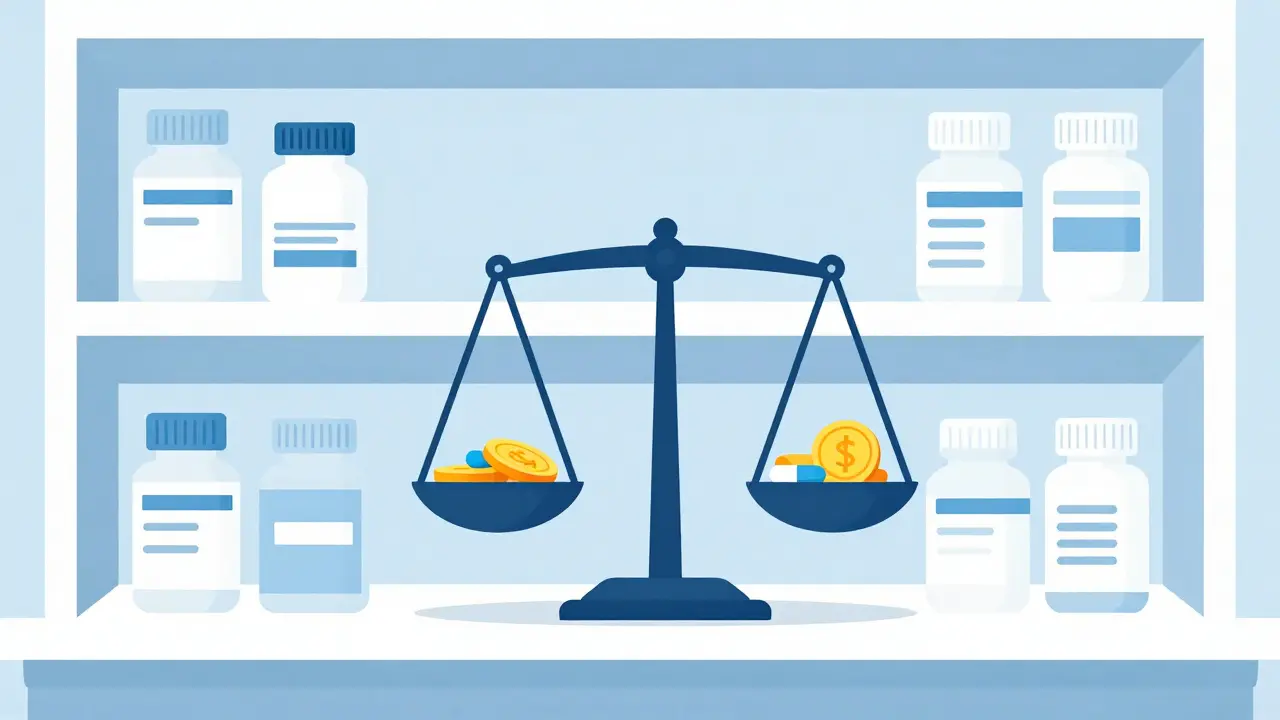
Global Generic Drug Policies: How Countries Control Drug Costs
Explore how nations worldwide implement generic drug policies to lower healthcare costs. From the US's high generic use to China's price cuts, learn the strategies, savings, and challenges shaping affordable medicines globally.
Read more
China vs India Pharmaceutical Manufacturing: Risks and FDA Monitoring Explained
China and India dominate global pharmaceutical manufacturing but face different FDA monitoring challenges. China's high-volume production has quality risks, while India's compliance strengths come with API dependency issues. Learn how these factors impact drug safety and supply chains.
Read more