Cardiovascular Health Made Simple
Your heart works nonstop, so you want to give it the best care without all the jargon. In this guide we’ll break down everyday habits that protect your ticker, explain the most common blood‑pressure medicines, and show you how to order them online without getting scammed.
Everyday Moves That Support a Healthy Heart
First things first: a little movement goes a long way. Even a brisk 20‑minute walk each day can lower blood pressure and improve cholesterol. Pair that with a diet rich in fruits, veggies, and lean protein, and you’ve got a solid foundation. Cut back on salty snacks and sugary drinks – they spike pressure and add extra calories.
Sleep matters, too. Aim for 7‑9 hours; poor sleep can raise stress hormones that tighten blood vessels. If you’re stressed, try a quick breathing exercise: inhale for four seconds, hold for four, exhale for four, repeat a few times. Simple tricks like this keep your heart from over‑working.
Understanding Common Blood‑Pressure Meds
When lifestyle changes aren’t enough, doctors often prescribe meds like Atenolol, Hydrochlorothiazide, or combos such as Enalapril‑Hydrochlorothiazide. Atenolol is a beta‑blocker that slows your heart rate, making it easier for blood to flow. Hydrochlorothiazide is a diuretic – it helps your kidneys dump excess water, lowering pressure.
Combination pills, like Enalapril‑Hydrochlorothiazide, tackle two problems at once: they widen blood vessels and reduce fluid build‑up. Most people notice fewer side effects because they take one pill instead of two. Still, keep an eye on any new symptoms – dizziness, coughing, or swelling could mean a dose tweak is needed.
Monitoring is key. Check your pressure at home at the same time each day, record the numbers, and share them with your doctor. If you’re on a combo drug, your doctor may order periodic blood tests to watch kidney function and electrolytes.
Now, what if you need a refill or want to start a new prescription? Buying safely online is possible, but you have to stay sharp.
How to Buy Heart Meds Online Without Risk
First, make sure the pharmacy is licensed in your country. Look for a physical address, a phone number, and a clear privacy policy. Never buy from sites that promise “no prescription needed” for prescription‑only meds like Atenolol or Hydrochlorothiazide – it’s a red flag.
Second, verify the pharmacist’s credentials. Reputable sites let you chat with a licensed pharmacist who will ask for a valid prescription before processing the order. Compare prices, but don’t choose the cheapest option if the site looks sketchy.
Third, watch the shipping details. Fast, tracked delivery is a good sign, and most reputable pharmacies will package meds discreetly. If you travel, ask the pharmacy if they can ship to an international address or hold the order for pickup.
Finally, keep a copy of your prescription and the receipt. If anything goes wrong – a delayed shipment or a wrong drug – you’ll have proof to claim a refund or report the pharmacy.
Staying on top of your heart health doesn’t have to be hard. Combine simple daily habits with the right medication, and use trusted online pharmacies when you need a refill. Your heart will thank you with fewer headaches, steadier energy, and a longer, healthier life.
Ginkgo Biloba and Blood Thinners: Understanding the Bleeding Risks
Ginkgo Biloba interacts dangerously with blood thinners like Warfarin and Aspirin. Learn about bleeding risks, surgery timelines, and safety protocols.
Read more
Antiplatelet Medications: Bleeding Risks and GI Protection Strategies
Understand the risks of antiplatelet drugs like aspirin and clopidogrel. Learn how to manage gastrointestinal bleeding threats and protect your stomach safely.
Read more
Turmeric and Blood Thinners: What You Need to Know About the Bleeding Risk
Turmeric supplements can dangerously increase bleeding risk when taken with blood thinners like warfarin or Xarelto. Real cases show INR levels spiking to life-threatening levels. Avoid supplements-spice is safe.
Read more
Heart Failure Medications: ACEIs, ARNI, Beta Blockers, and Diuretics Explained
Learn how ACE inhibitors, ARNI, beta blockers, and diuretics work together to treat heart failure, reduce hospitalizations, and extend life. Real patient experiences and latest guidelines explained.
Read more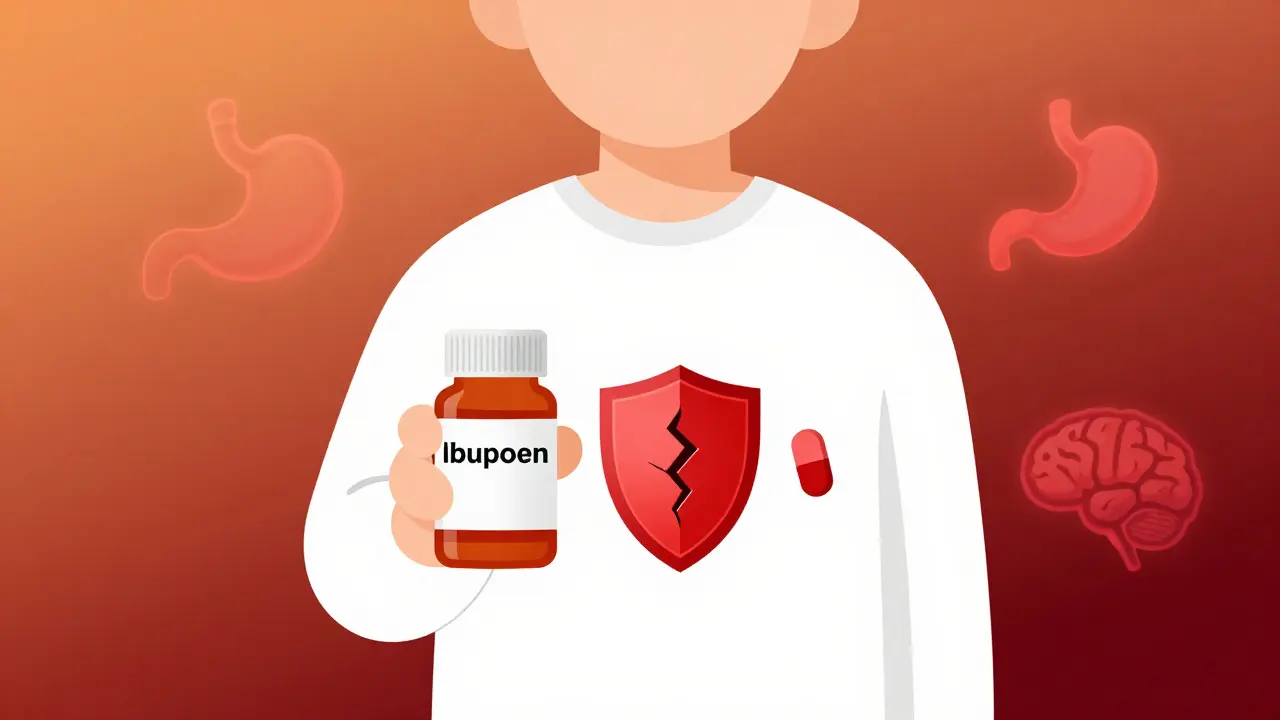
NSAIDs and Blood Thinners: What You Need to Know About the Dangerous Combo
Combining NSAIDs like ibuprofen or naproxen with blood thinners greatly increases the risk of dangerous bleeding. Learn why this combo is life-threatening, what safer alternatives exist, and how to protect yourself.
Read more
Diabetes and Heart Disease: How Medications and Lifestyle Together Lower Risk
Diabetes greatly increases heart disease risk, but combining GLP-1 RA medications like semaglutide with proven lifestyle changes can cut cardiovascular events by up to 63%. Learn how the latest science is changing treatment.
Read more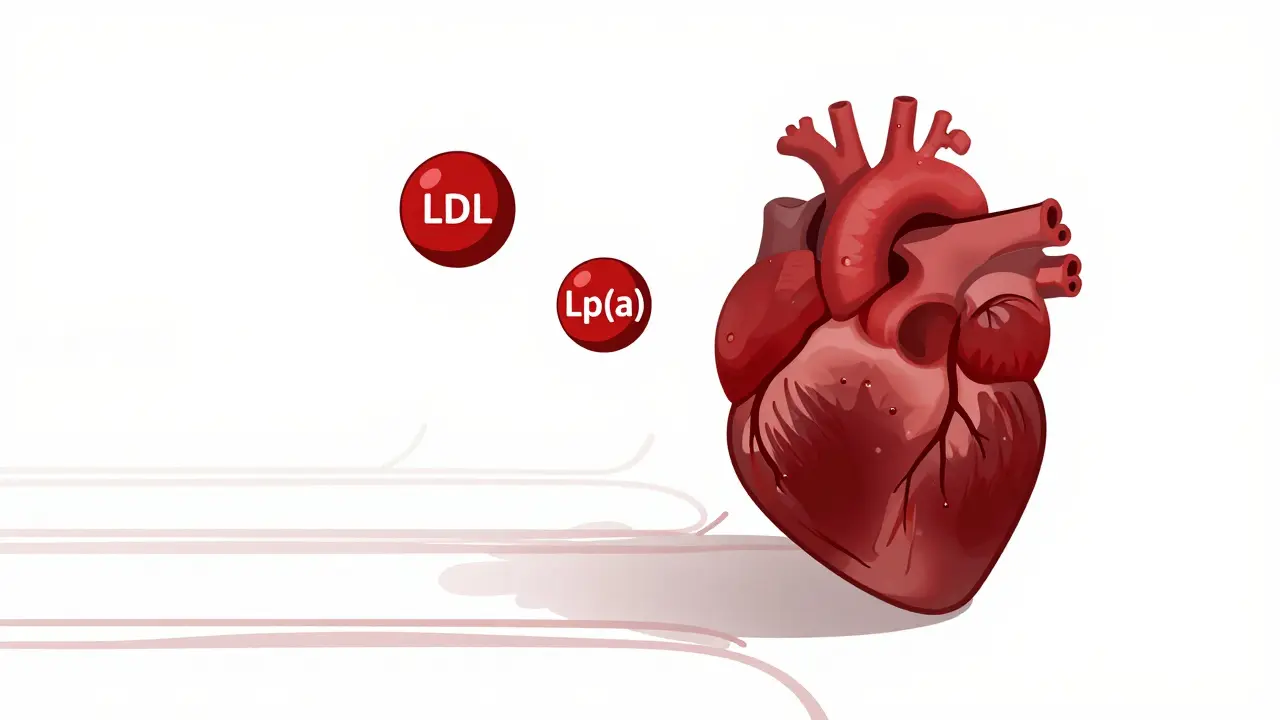
Lipoprotein(a): The Hidden Genetic Risk for Heart Disease and What You Can Do
Lipoprotein(a) is a genetic cholesterol risk that doubles your chance of heart attack or stroke - even if your other numbers are normal. Learn what it is, who should be tested, and what treatments are on the horizon.
Read more
Women’s Heart Disease: Recognizing Unique Symptoms and Effective Risk Management
Heart disease kills more women than all cancers combined, yet symptoms like fatigue, jaw pain, and nausea are often missed. Learn the unique warning signs and proven steps to protect your heart.
Read more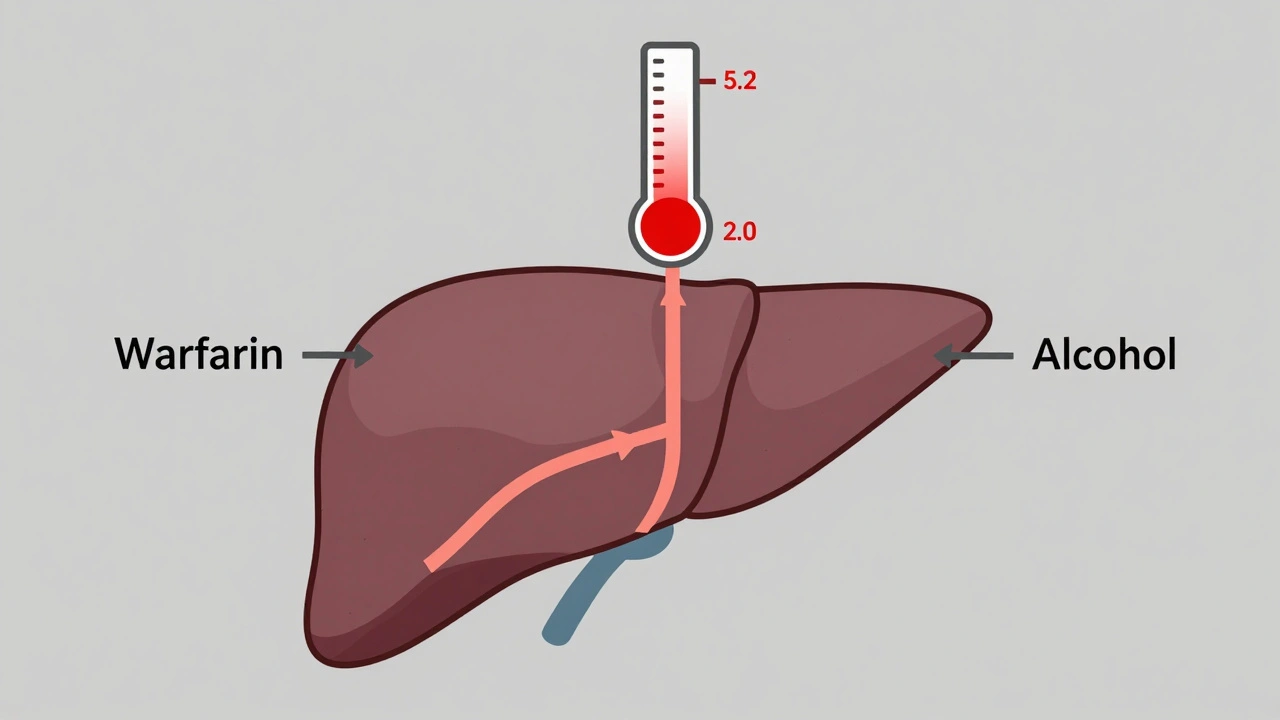
Alcohol and Blood Thinners: What You Need to Know About Bleeding Risk and INR Changes
Alcohol can cause dangerous spikes in INR levels for people on warfarin, increasing bleeding risk. Learn how much is safe, why genetics matter, and what signs to watch for if you drink while on blood thinners.
Read more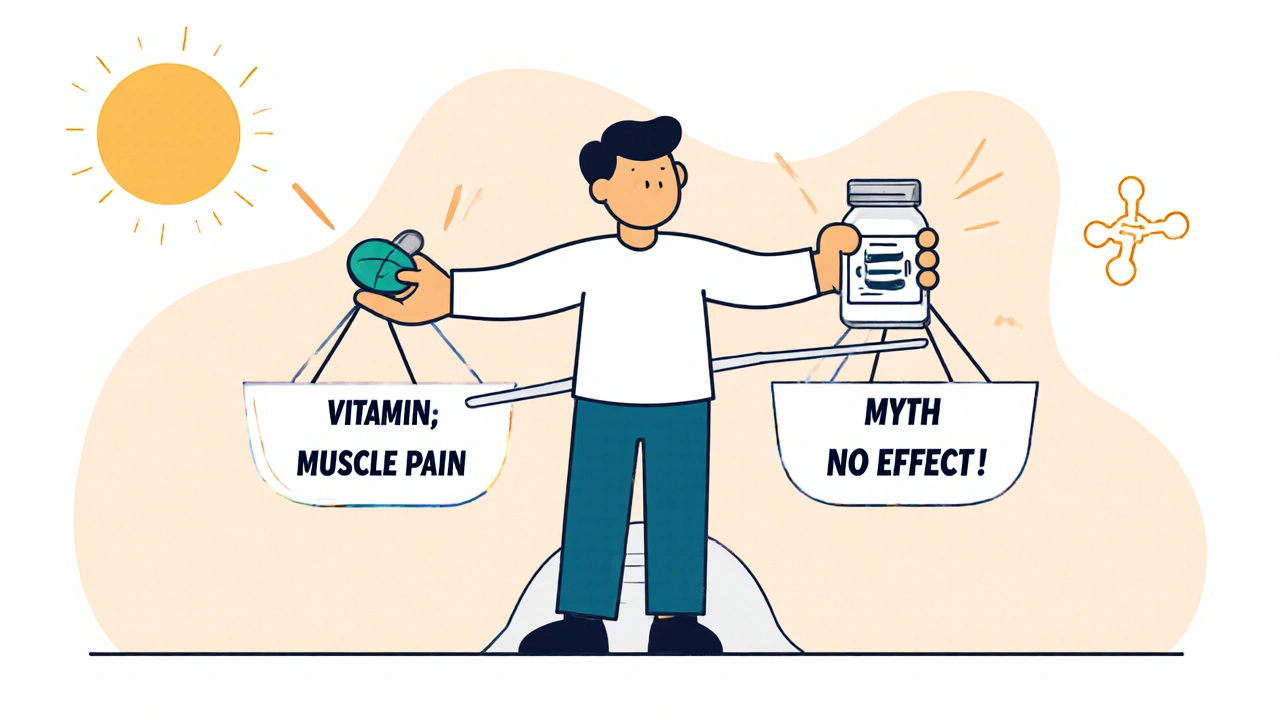
Vitamin D and Statins: What the Research Really Says About Their Interaction
Vitamin D doesn't prevent statin muscle pain, despite popular belief. Research shows no benefit, even in people with low vitamin D levels. Learn what the science says about interactions and what you should actually do.
Read more
Venlafaxine and Blood Pressure: What You Need to Know About Hypertension Risk
Venlafaxine can raise blood pressure, especially at higher doses. Learn how to monitor your numbers, recognize warning signs, and safely manage this common but serious side effect.
Read more
Compare Coversyl (Perindopril Arginine) with Alternatives for High Blood Pressure
Compare Coversyl (Perindopril Arginine) with top alternatives like losartan, amlodipine, and enalapril for high blood pressure. Learn which works best, side effects, costs in NZ, and when to switch.
Read more