
What Happens After Your Liver Transplant?
Your new liver is working. You’re out of the hospital. The first big hurdle is behind you. But the real work? That’s just starting. For the rest of your life, you’ll need to watch for signs your body might be fighting the transplant - and take every single pill, exactly as prescribed. Missing doses isn’t just a mistake. It’s a risk to your new organ.
Why Your Body Might Reject the New Liver
Your immune system is built to protect you from invaders - viruses, bacteria, anything foreign. A transplanted liver, no matter how well matched, still looks like an intruder. Without medication to calm it down, your body will attack. This is rejection. It doesn’t mean your liver is bad or the surgery failed. It’s just how your body works.
There are three kinds of rejection, but only two matter most after transplant. Hyperacute rejection - happening within hours - is rare today because of better matching before surgery. Chronic rejection creeps in slowly over years, often without clear symptoms until it’s too late. The real danger? Acute rejection. It can show up anytime, but most often between one week and three months after surgery. And here’s the hard truth: most acute rejections happen because someone skipped a dose.
Red Flags: Signs Your Liver Might Be in Trouble
Rejection doesn’t always scream for attention. Sometimes, it whispers. But if you know what to look for, you can catch it early - before it causes damage.
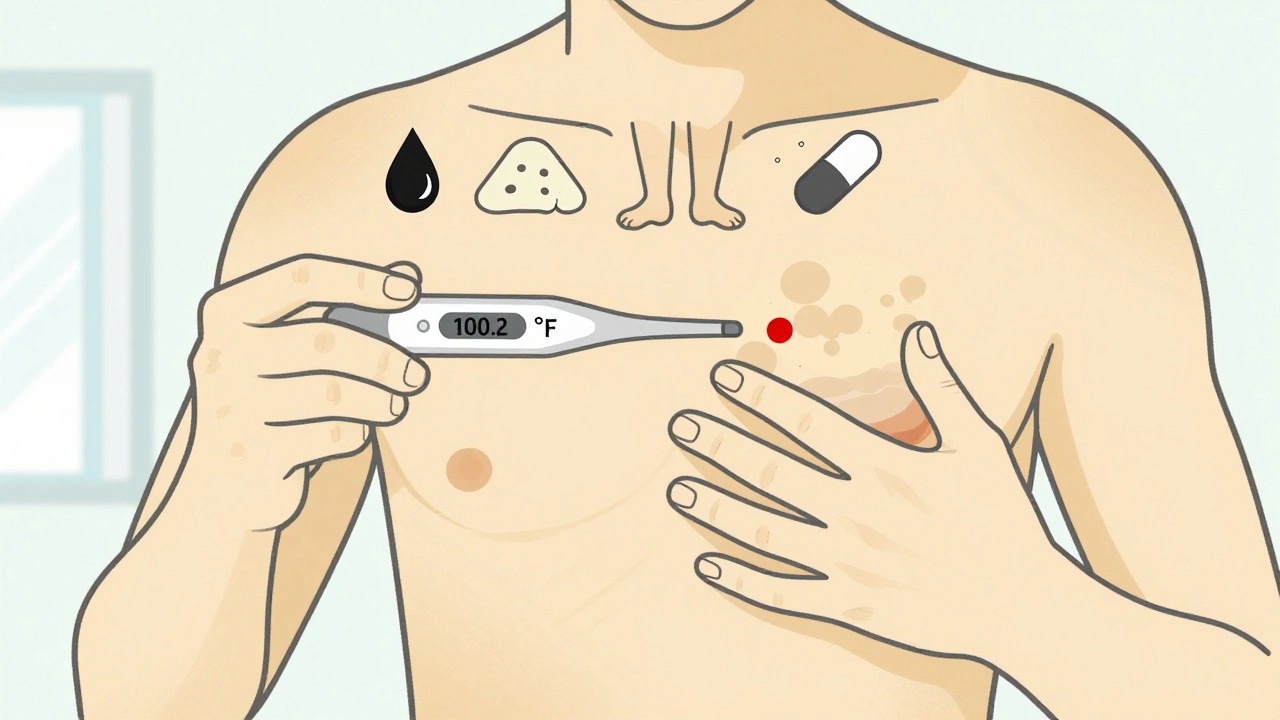
- Fever above 100°F (38°C) - Not a cold. Not the flu. A persistent fever is a classic warning sign.
- Pain or tenderness near your transplant site - A dull ache or sharp sting under your right ribs. Don’t ignore it, even if it’s mild.
- Unexplained fatigue - Feeling exhausted even after a full night’s sleep. This isn’t normal post-surgery tiredness. It’s deeper.
- Dark urine or pale stools - Changes in color can mean your liver isn’t processing bile properly.
- Jaundice - Yellowing of your skin or the whites of your eyes. This is a late but clear signal.
- Swelling in your legs or belly - Fluid buildup can mean your liver isn’t filtering blood like it should.
- High blood pressure - Especially if it’s new or suddenly worse. Your liver helps regulate blood flow. When it struggles, pressure rises.
These symptoms don’t always mean rejection. But if you notice even one - especially if it’s new - call your transplant team immediately. Waiting can cost you your liver.
Medication Isn’t Optional - It’s Your Lifeline
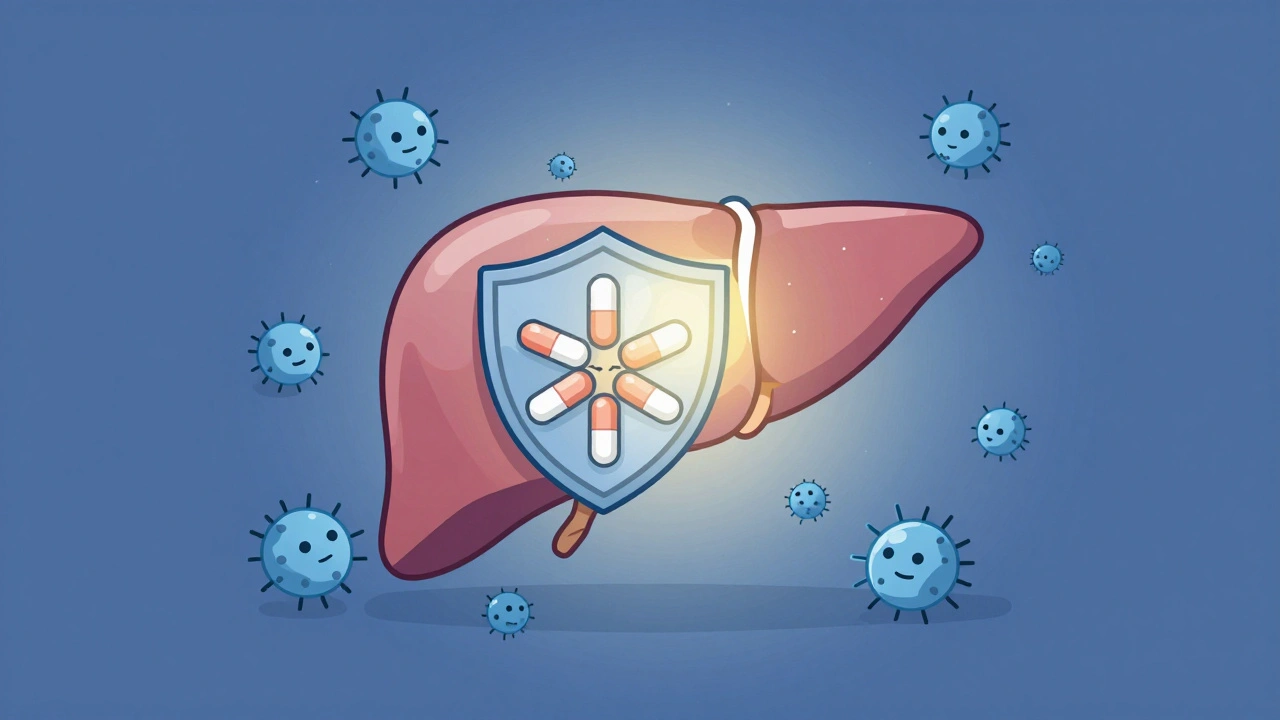
You’ll take at least three types of drugs every day to keep your immune system from attacking your liver. These are called immunosuppressants. Common ones include tacrolimus, cyclosporine, mycophenolate, and steroids like prednisone. They’re not just pills. They’re your shield.
Doctors set strict targets for how much of each drug should be in your blood. Too little? Rejection risk spikes. Too much? You risk infections, kidney damage, or even cancer. That’s why blood tests are non-negotiable. In the first month, you’ll get tested weekly. Then every two weeks. Then monthly. Each test tells your team if your dose needs adjusting.
And here’s the brutal reality: medication non-adherence is the #1 preventable cause of liver transplant failure. Studies show that patients who miss just 20% of their doses are three times more likely to reject their organ. One missed pill might seem harmless. But over time, those gaps let your immune system catch up - and strike.
Why People Skip Pills (And How to Stop It)
It’s not laziness. It’s complicated.
- Too many pills - In the first year, some patients take 12 or more pills a day. That’s a lot to remember.
- Side effects - Tremors, high blood pressure, weight gain, acne, mood swings. These are real. And they make people want to quit.
- Cost - Without insurance, these drugs can cost over $28,000 a year. Many people skip doses because they can’t afford them.
- Feeling fine - If you’re not sick, why take pills? That’s the biggest trap. Rejection often happens silently.
So how do you win?
- Use a pill organizer - One with compartments for morning, noon, night, and weekend doses. 63% of long-term survivors use them.
- Set phone alarms - Three times a day. Label them: “Tacrolimus,” “Mycophenolate,” “Prednisone.” A 2022 study showed this boosts adherence by 37%.
- Involve someone - A partner, sibling, or friend who checks in. People with support systems have 28% fewer rejection episodes.
- Ask for help with cost - Your transplant center has social workers who can connect you to patient assistance programs. Don’t suffer in silence.
Pharmacists at top transplant centers now do monthly medication reviews. They don’t just check your list. They ask: “What’s hard?” “What’s making you want to stop?” That’s the kind of support that saves lives.
What Happens If You Miss a Dose?
If you miss one pill, take it as soon as you remember - unless it’s almost time for the next dose. Then skip it. Don’t double up. Call your transplant team right away. They’ll want to check your drug levels and may schedule an extra blood test.
If you miss two or more doses in a week, don’t wait. Go to your transplant center. They’ll check for rejection markers like liver enzymes and creatinine. Early detection means you can adjust your meds before your liver is damaged.
Some centers now use smart pill bottles that record when they’re opened. Data shows 45% of patients miss at least one dose a week in the first year. You’re not alone. But knowing you’re being tracked isn’t about punishment - it’s about protection.
Long-Term Survival: It’s All About Consistency
People who take 95% or more of their pills have an 85% chance of keeping their liver alive 10 years later. Those who fall below 80%? Only 42% make it that far. That’s not a statistic. That’s your future.
Rejection doesn’t always come with pain. Sometimes, it’s just a slow decline - a little less energy, a little higher blood pressure, a slightly odd lab result. If you’re not watching, you won’t see it until it’s too late.
There’s hope on the horizon. New blood tests like the ImmuKnow assay can measure your immune activity. Some patients are even being tested for tolerance - where the body learns to accept the organ without drugs. But those breakthroughs won’t help you if you stop taking your pills today.
Your Role in This Journey
You didn’t just get a new liver. You got a second chance. But that chance isn’t free. It comes with responsibility. Every pill you take is a vote for your future. Every test you attend is a step toward living longer. Every time you call your team with a concern, you’re protecting what you’ve been given.
This isn’t about being perfect. It’s about being consistent. One missed dose won’t kill your liver. But a pattern of them will. You don’t need to be a hero. You just need to show up - every day.
Can I stop taking my transplant medications if I feel fine?
No. Feeling fine doesn’t mean your body isn’t quietly rejecting the liver. Rejection often happens without obvious symptoms. Stopping medication - even for a few days - can trigger a severe immune response that damages or destroys your transplant. Lifelong immunosuppression is the standard of care for all solid organ transplants.
How often do I need blood tests after a liver transplant?
In the first month, expect weekly blood tests. Months two and three: every two weeks. After that, monthly for the first year. Once you’re stable, tests may drop to every 2-3 months. But if you miss doses or show any rejection signs, your team will increase testing. Key markers include liver enzymes (ALT, AST), bilirubin, and creatinine.
What are the most common side effects of immunosuppressants?
Tremors, high blood pressure, headaches, nausea, weight gain, acne, and increased risk of infections are common. Some drugs can also raise blood sugar or harm the kidneys over time. These side effects don’t mean the drugs aren’t working - they’re the price of keeping your immune system from attacking your liver. Talk to your team about managing them. Never stop taking meds because of side effects.
Can I drink alcohol after a liver transplant?
No. Alcohol is toxic to liver cells. Even small amounts can cause inflammation, scarring, and rejection. Your new liver is not a replacement for a damaged one - it’s a gift that needs protection. Abstinence is the only safe choice. This isn’t a suggestion. It’s a requirement for long-term survival.
What should I do if I can’t afford my medications?
Contact your transplant center’s social worker immediately. Many pharmaceutical companies offer patient assistance programs that provide drugs for free or at low cost. Medicare, Medicaid, and nonprofit foundations also help. Never skip doses because of cost. There are options - but you have to ask. Your life depends on it.
Is it safe to get vaccines after a liver transplant?
Yes - but only certain ones. You should get inactivated vaccines like flu shots, pneumonia (PCV20 and PPSV23), hepatitis A and B, and COVID-19 boosters. Avoid live vaccines like MMR, chickenpox, or nasal flu spray. Always check with your transplant team before getting any vaccine. Your immune system is suppressed, so some vaccines won’t work well - and some could be dangerous.


Debbie Naquin
December 1, 2025 AT 10:01