Imagine coming home to your furry friend, only to be greeted by a sneezing fit that won't quit. You love your pet, but their presence turns your sanctuary into a minefield of itchy eyes and stuffy noses. It’s a frustrating reality for millions of people who share their homes with cats or dogs. The good news? You don’t necessarily have to choose between your health and your companion. While you can’t erase the proteins that cause reactions, you can drastically cut down on pet dander reduction using smart, science-backed home strategies.
The biggest misconception out there is that pet hair causes allergies. In truth, hair is just the delivery system. The real culprits are microscopic proteins found in dander (dead skin flakes), saliva, and urine. For cat owners, this protein is called Fel d 1, produced in sebaceous glands and saliva. Dog owners deal with Can f 1. These particles are tiny, sticky, and incredibly persistent. They cling to fabrics, float in the air for hours, and can linger in dust for up to six months after a pet leaves the house. Understanding this helps us target the problem correctly: we aren't just cleaning hair; we are neutralizing airborne biological triggers.
Creating a Pet-Free Sanctuary Zone
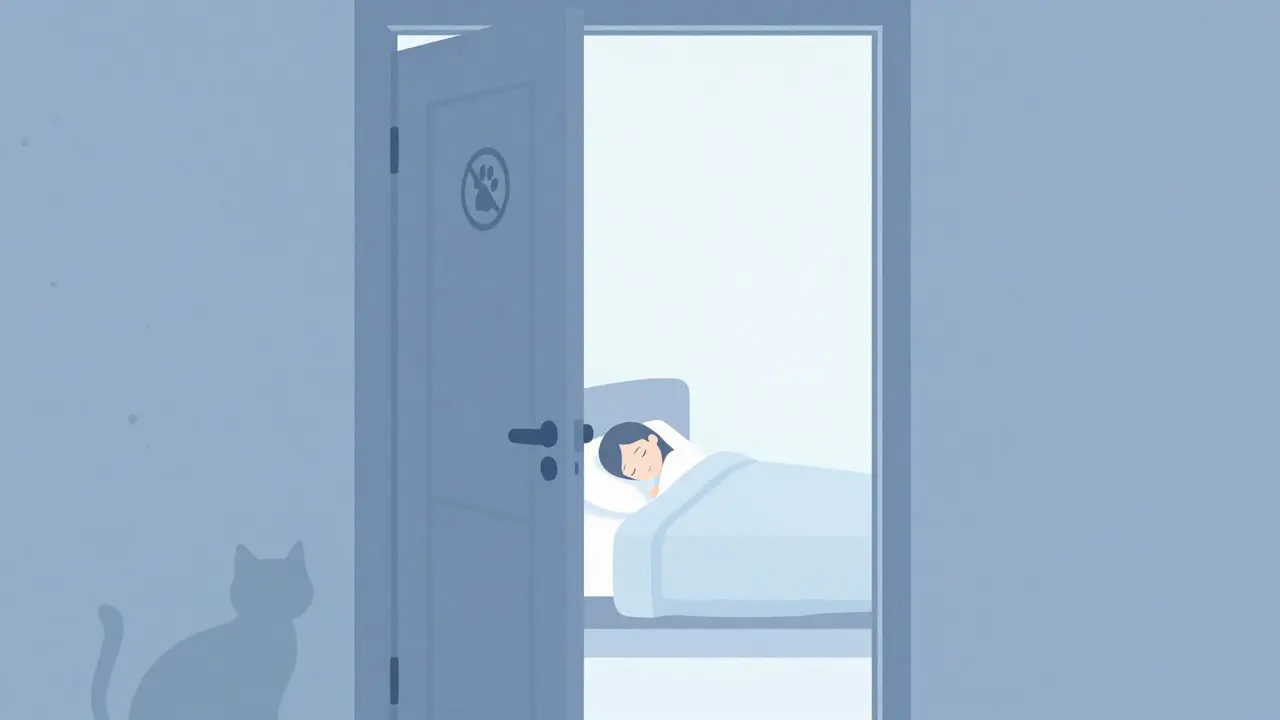
If you could do only one thing to manage your symptoms, what would it be? According to Dr. Sandra Hong at Cleveland Clinic, designating your bedroom as a strict pet-free zone is the single most effective environmental control. Why? Because you spend roughly eight hours a day sleeping there. If that room is clean, your body gets a chance to recover without constant bombardment from allergens. Clinical studies show this simple boundary can reduce nighttime allergy symptoms by up to 40%.
To make this work, you need to be disciplined. Keep the door closed, even when you’re not home. Pets track dander on their paws and fur from other rooms, so limiting their access prevents cross-contamination. Invest in high-quality bedding made from materials that resist allergen buildup, and wash your sheets weekly. This isn't about excluding your pet from your life; it's about giving yourself a safe haven where your immune system can take a break.
Upgrading Your Cleaning Arsenal
Your standard vacuum cleaner might actually be making things worse. Many regular vacuums suck up dust and then blow fine particles back into the air because their filters aren't tight enough. To truly capture pet dander, you need a vacuum equipped with a HEPA filter. High-Efficiency Particulate Air filters trap 99.97% of particles as small as 0.3 microns. Research from Filtrete indicates that HEPA vacuums are 30-50% more effective at capturing dander than standard models.
Here is a practical routine to follow:
- Vacuum frequently: Aim for 2-3 times a week using your HEPA vacuum. Spend 15-20 minutes per session, focusing on carpets and upholstery where dander accumulates.
- Wash textiles hot: Wash pet bedding, blankets, and removable couch covers weekly at 130°F (54°C). This temperature is crucial because it kills the allergenic proteins rather than just moving them around.
- Use lint rollers daily: Keep lint rollers handy for your clothes and furniture. A quick roll can remove 70-85% of surface dander before it becomes airborne.
Don't forget hard surfaces. Hardwood or linoleum floors harbor 50-75% less dander than carpet. If you are renovating, consider swapping out wall-to-wall carpeting for hard flooring in main living areas. It’s a long-term investment that pays off in easier cleaning and lower allergen levels.

Air Purification and Filtration
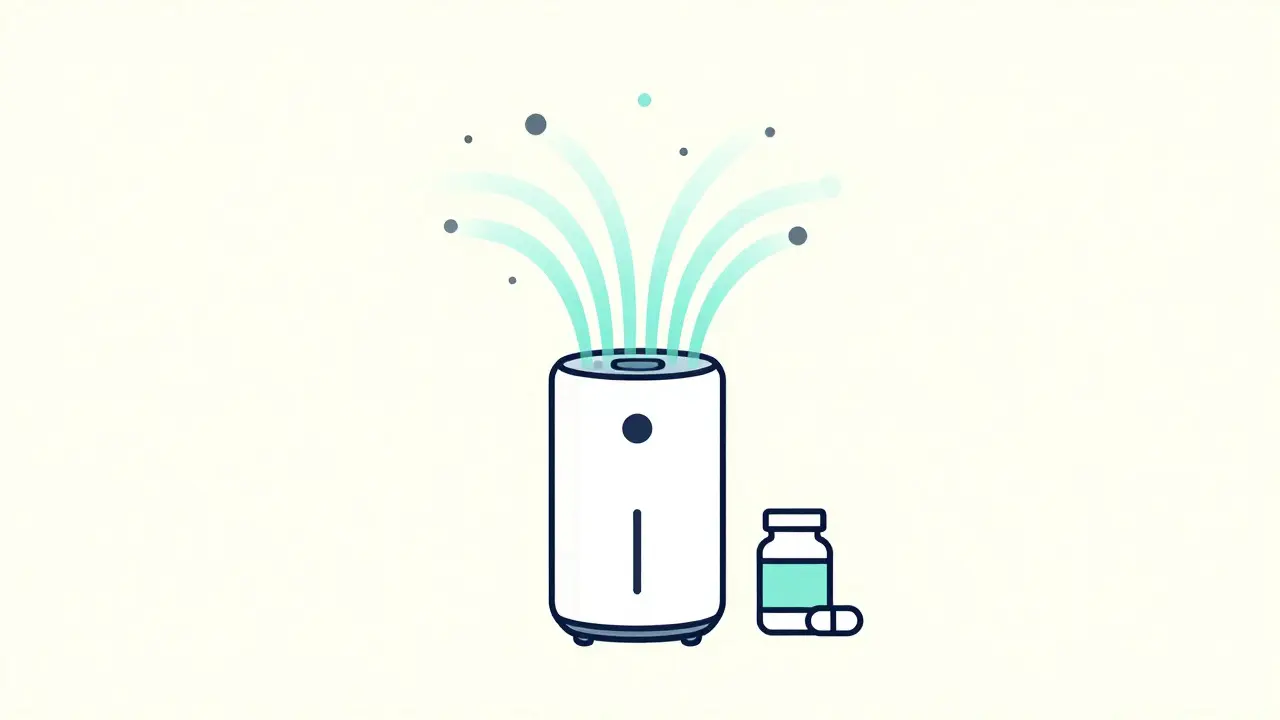
Cleaning surfaces is step one; controlling the air is step two. An air purifier with a true HEPA filter can reduce airborne pet allergen concentrations by 40-60% in a standard-sized room. However, buying any old machine won't cut it. You must size the purifier correctly for the room’s square footage. A unit that is too small will struggle to cycle the air enough times per hour to make a difference.
Place the purifier in your main living area and, ideally, in your pet-free bedroom. Run it continuously on a low setting rather than blasting it on high occasionally. Consistency is key. Additionally, check your HVAC system. Replacing standard furnace filters with higher-grade options, like Filtrete’s Micro Allergen Plus filters, can help capture dander before it circulates through your entire home via ductwork. These specialized filters claim to capture 95% of pet allergens while holding twice as much dust as previous models.
Grooming and Hygiene Habits
Managing your pet directly is another powerful lever. Bathing your pet once a week can wash away loose dander and saliva proteins. However, this is often the hardest strategy to maintain. About 60% of cat owners struggle with this due to feline resistance, while 35% of dog owners face similar issues. If full baths are a battle, try using hypoallergenic pet wipes or dry shampoo sprays every few days to remove surface allergens without the stress of a tub soak.
Personal hygiene matters just as much. After playing with your pet, wash your hands immediately. This simple act reduces allergen transfer to your face-where you rub your eyes and nose-by up to 90%. Change your clothes after extended cuddle sessions, especially if you plan to sleep soon. Think of your skin and clothes as magnets for dander; keeping them clean breaks the chain of exposure.
| Strategy | Effectiveness | Key Benefit | Challenge |
|---|---|---|---|
| Pet-Free Bedroom | High (40% symptom reduction) | Immediate relief during sleep | Requires discipline |
| HEPA Vacuuming | Medium-High (30-50% better than standard) | Removes embedded dander | Time-consuming |
| Air Purifiers | Medium (40-60% airborne reduction) | Continuous air cleaning | Ongoing filter costs |
| Weekly Pet Baths | Variable | Reduces source production | Pet resistance |
Medical Management and Long-Term Solutions
Environmental controls are foundational, but they rarely solve the problem entirely. Most experts recommend combining these home strategies with medical management. Over-the-counter antihistamines can provide relief for 60-70% of mild sufferers within an hour. For those seeking a permanent fix, immunotherapy (allergy shots) has shown long-term effectiveness in 80-85% of patients after a 3-5 year course. This treatment retrains your immune system to tolerate the allergen rather than attack it.
Newer options are emerging too. In 2023, the FDA approved Odactra, a sublingual tablet for cat allergies. It offers an alternative to shots with comparable efficacy (around 80% symptom reduction) but with greater convenience since it’s taken under the tongue at home. Researchers are also exploring genetic modifications, such as CRISPR technology to create cats with 90% less Fel d 1 production, though widespread availability is still years away.
Dr. Jonathan Bernstein emphasizes that no single intervention works alone. A comprehensive approach-combining a pet-free bedroom, HEPA filtration, regular grooming, and appropriate medication-yields the best outcomes. Don’t get discouraged if you don’t see results overnight. It typically takes 2-4 weeks of consistent effort to establish new routines and see a noticeable drop in symptoms. Households that stick to these plans report a 50-70% reduction in measurable pet allergens within three months.
Is it possible to live with a pet if you have severe allergies?
Yes, many people successfully coexist with pets by implementing a multi-layered strategy. This includes creating a pet-free bedroom, using HEPA air purifiers and vacuums, bathing pets regularly, and utilizing medical treatments like antihistamines or immunotherapy. While complete elimination of allergens is impossible, significant symptom reduction is achievable.
Are "hypoallergenic" dog breeds actually allergy-free?
No breed is truly hypoallergenic. All dogs produce Can f 1 protein in their saliva and dander. While some breeds shed less hair, which might reduce the spread of allergens, individual variation plays a huge role. One Poodle might trigger fewer symptoms than another, but no dog is guaranteed to be safe for all allergy sufferers.
How often should I bathe my pet to reduce dander?
Ideally, once a week. Weekly baths help wash away loose dander and saliva proteins. If your pet resists full baths, use hypoallergenic wipes or dry shampoos every few days. Avoid over-bathing, as it can strip natural oils from their skin, potentially causing irritation.
Do air purifiers really work for pet allergies?
Yes, but only if they have a true HEPA filter and are correctly sized for the room. HEPA filters can trap 99.97% of particles as small as 0.3 microns, effectively removing airborne dander. Place them in main living areas and bedrooms, and run them continuously for best results.
What is the most effective single change I can make at home?
Designating your bedroom as a strictly pet-free zone. Since you spend so much time sleeping there, keeping it free of allergens allows your body to recover and can reduce nighttime symptoms by up to 40%. Combine this with washing your bedding weekly in hot water for maximum benefit.


Earl Oleary
July 19, 2026 AT 13:32