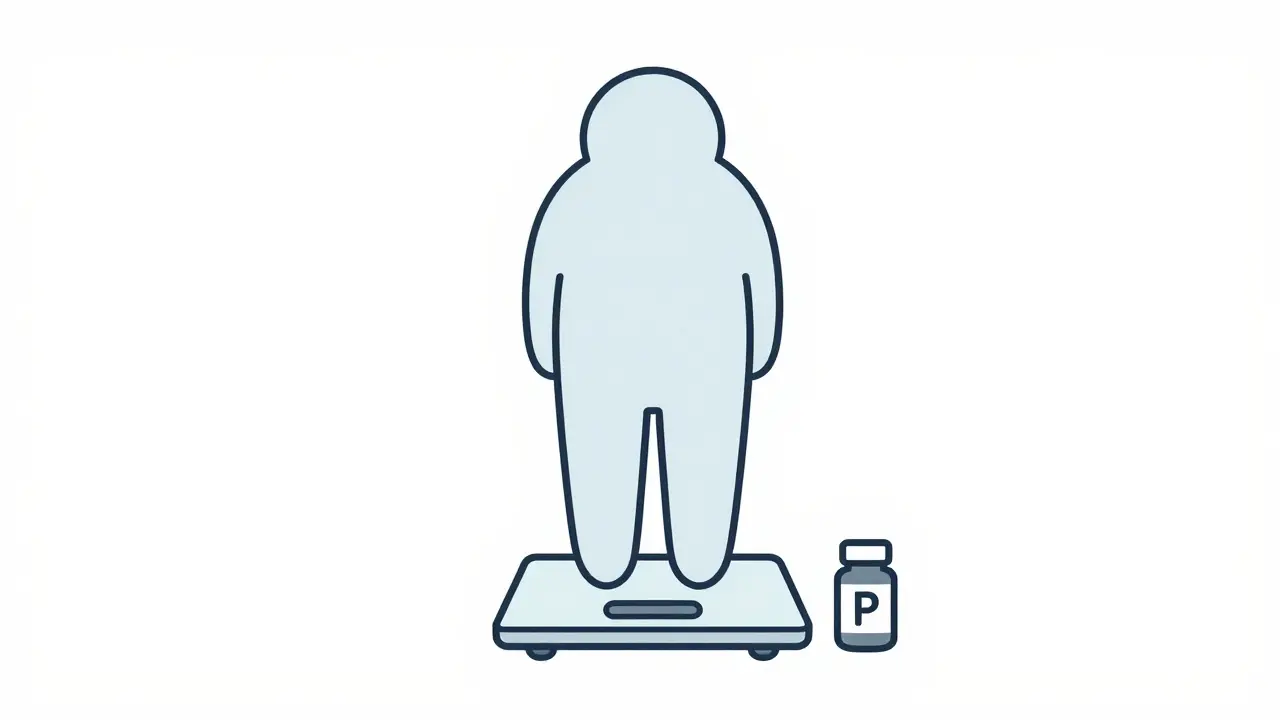
Paroxetine Weight Gain Estimator
Based on clinical averages for 6 months of use.
Select your medication and duration to see estimated metabolic impact.
Comparative Risk Profile
| Medication | Risk Level | Avg. Change (6-12 Mo) |
|---|
Starting a new medication for anxiety or depression is often a relief, but it can come with an unexpected burden: the scale creeping up. If you are taking Paroxetine, also known by brand names like Paxil or Seroxat, you might have noticed this happening more than you’d like. You aren’t imagining it, and you certainly aren’t alone. Paroxetine is widely recognized among selective serotonin reuptake inhibitors (SSRIs) as having a higher propensity for causing weight gain compared to its peers.
This isn’t just about vanity; it’s about metabolic health. Significant weight gain can impact your confidence, energy levels, and long-term physical health, potentially leading to issues like insulin resistance or high blood pressure. The good news? Understanding why this happens gives you power. With the right strategies-ranging from dietary tweaks to potential medication adjustments-you can manage these side effects without sacrificing your mental health progress.
Why Paroxetine Causes More Weight Gain Than Other SSRIs
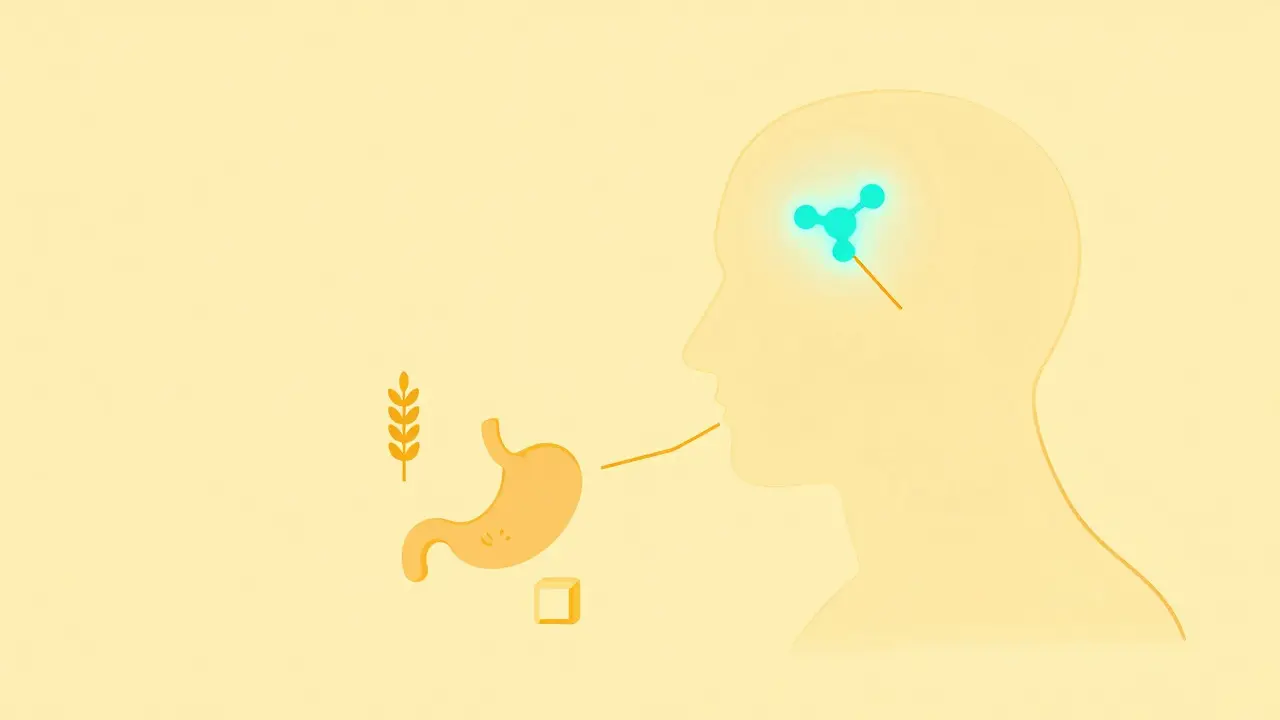
To understand the weight gain, we first need to look at how Paroxetine works in the brain. As an SSRI, it increases the availability of serotonin, a neurotransmitter that regulates mood, sleep, and appetite. While increased serotonin generally helps stabilize mood, it also interacts with specific receptors in the body that control hunger and satiety.
Research consistently shows that paroxetine has a unique profile compared to other drugs in its class. A pivotal study published in the Journal of Clinical Psychiatry highlighted this disparity. In a six-month treatment period, 25.5% of patients taking paroxetine experienced clinically significant weight gain (defined as a ≥7% increase in body weight). Compare that to just 4.2% for sertraline (Zoloft) and 6.8% for fluoxetine (Prozac).
The mechanism involves histamine H1 receptor antagonism. Paroxetine blocks these receptors more effectively than many other SSRIs. This blockade is linked to increased appetite, particularly for carbohydrates, and a slight reduction in resting metabolic rate. Essentially, your body may crave more calories while burning slightly fewer at rest. It’s a double whammy that makes maintaining weight difficult if you aren’t proactive.
The Timeline: When Does Weight Gain Happen?
One common misconception is that weight gain from antidepressants happens immediately. For most people, the changes are gradual. Here is what the data suggests about the timeline:
- Short-Term (4-12 Weeks): Changes are usually minimal. Some studies show median body weight changes of less than 0.5% during the initial stabilization phase. You might even lose a little weight initially due to nausea or reduced appetite as your body adjusts.
- Medium-Term (6 Months): This is where the divergence begins. Studies indicate that weight gain becomes more pronounced after the first six months. The cumulative effect of slight daily caloric surpluses starts to show on the scale.
- Long-Term (1+ Years): Longitudinal studies, such as one tracking patients over 2.5 years, found an average weight gain of 2.5% of baseline weight (about 3.5 pounds), but with a significant subset of users gaining much more. Up to 14.5% of participants gained more than 7% of their initial body weight over this extended period.
If you’ve been on paroxetine for less than three months, don’t panic yet. However, if you’re past the six-month mark and notice steady upward trends, it’s time to take action.
| Medication | Class | Weight Gain Risk | Avg. Change (6-12 Months) |
|---|---|---|---|
| Paroxetine (Paxil) | SSRI | High | +3.6% to +5.4 lbs |
| Sertraline (Zoloft) | SSRI | Low-Moderate | +1.0% to +1.5 lbs |
| Fluoxetine (Prozac) | SSRI | Low | -0.2% (slight loss) |
| Bupropion (Wellbutrin) | NDRI | Very Low (Loss) | -2.0% to -5 lbs |
| Mirtazapine (Remeron) | Tetracyclic | High | +4.0% to +8 lbs |
Practical Strategies to Manage Metabolic Side Effects
You don’t have to accept weight gain as an inevitable part of your treatment. Several evidence-based strategies can help mitigate the metabolic impact of paroxetine.
1. Time-Restricted Eating
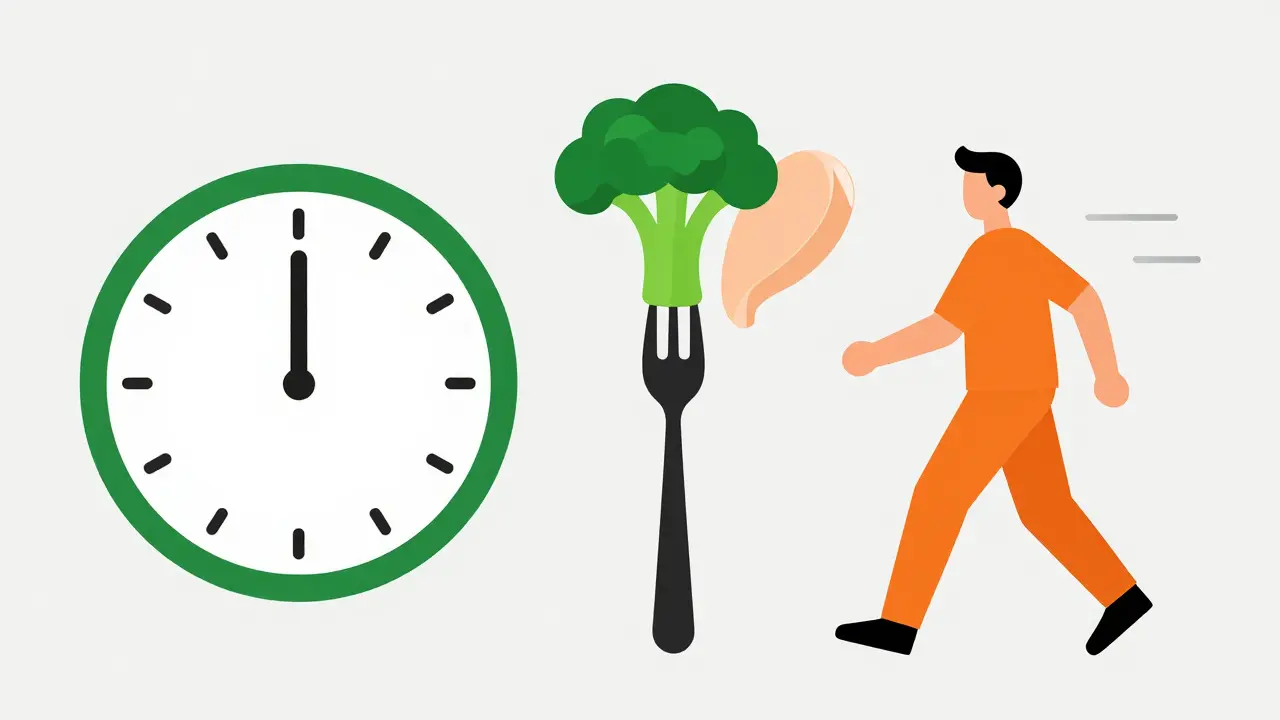
Recent research offers a promising non-pharmacological approach. A 2023 study in the Journal of Clinical Psychopharmacology found that time-restricted eating (TRE)-limiting food intake to an 8-hour window daily-reduced paroxetine-associated weight gain by 62% compared to standard dietary patterns over six months. By aligning your eating window with your body’s natural circadian rhythms, you improve insulin sensitivity and reduce overall caloric intake without feeling deprived.
2. Monitor Carbohydrate Cravings
Paroxetine specifically tends to increase cravings for simple carbs and sugars. Be mindful of this trigger. Instead of fighting the craving, substitute it. Swap white bread for whole grain options, or pair carbohydrates with protein and fiber to slow glucose absorption. Keeping healthy snacks like nuts, Greek yogurt, or apple slices with peanut butter handy can prevent impulsive decisions when the urge hits.
3. Structured Physical Activity
Exercise does more than burn calories; it counteracts the sedentary tendencies that sometimes accompany depression and fatigue. Aim for at least 150 minutes of moderate-intensity activity per week. This could be brisk walking, swimming, or cycling. Strength training is particularly beneficial as it builds muscle mass, which naturally boosts your resting metabolic rate, helping to offset the slight metabolic slowdown caused by the medication.
4. Regular Monitoring
Don’t wait for the annual check-up. Weigh yourself weekly under consistent conditions (e.g., morning, before breakfast). Track your waist circumference as well, since visceral fat accumulation is a key marker of metabolic risk. If you see a trend of gaining more than 2-3 pounds over a month despite lifestyle efforts, it’s time to talk to your doctor.
When to Consider Medication Adjustments
Sometimes, lifestyle changes aren’t enough, or the weight gain is too severe to ignore. In these cases, discussing alternatives with your healthcare provider is crucial. Never stop or switch medications abruptly, as this can lead to withdrawal symptoms or relapse.
Switching Options:
- Sertraline (Zoloft): Often a go-to alternative because it has a lower risk of weight gain and similar efficacy for anxiety and depression.
- Fluoxetine (Prozac): Known for being weight-neutral or even promoting slight weight loss. It’s a strong candidate if weight management is a primary concern.
- Bupropion (Wellbutrin): Not an SSRI, but often used off-label or in combination. It is associated with weight loss and can help counteract the sexual side effects of SSRIs, though it may increase anxiety in some patients.
Add-On Therapies:
If switching isn’t an option because paroxetine is uniquely effective for your condition, doctors may consider add-on therapies. Metformin, a diabetes medication, has shown efficacy in managing medication-induced weight gain. A 2014 study indicated that metformin reduced weight gain by approximately 2.3 kg (5 lbs) over 24 weeks compared to placebo in patients taking psychotropic medications. This is a decision that requires careful medical supervision.
Understanding Individual Variability
It’s important to remember that not everyone experiences weight gain on paroxetine. Genetic factors play a significant role. Recent pharmacogenetic research from the STAR*D trial follow-up identified specific genetic variants, such as 5-HT2C receptor polymorphisms, that predict greater susceptibility to paroxetine-induced weight gain. If you have a family history of metabolic disorders or obesity, you might be at higher risk.
User experiences vary wildly. Some report gaining 20-30 pounds over a year, while others note no change whatsoever after five years of use. This variability underscores the importance of personalized medicine. What works for one person may not work for another, and monitoring your own response is key.
Frequently Asked Questions
Does paroxetine cause weight gain immediately?
No, weight gain from paroxetine is rarely immediate. Most studies show minimal weight changes in the first 4-12 weeks. Significant weight gain typically accumulates over time, becoming more noticeable after 6 months of continuous use. Early changes are often related to fluid retention or initial appetite fluctuations rather than fat accumulation.
Can I lose the weight gained from paroxetine?
Yes, it is possible. Many patients report losing 5-10 pounds after switching to weight-neutral alternatives like fluoxetine or bupropion. If you stay on paroxetine, combining strict dietary monitoring, time-restricted eating, and regular exercise can help reverse or stabilize weight gain. However, it may require more effort than losing weight without the medication.
Is paroxetine worse for weight gain than Zoloft?
Generally, yes. Clinical data indicates that paroxetine has a higher risk of significant weight gain compared to sertraline (Zoloft). In comparative studies, paroxetine users were more likely to experience a ≥7% increase in body weight. Sertraline is considered to have a low-to-moderate risk, making it a preferred choice for patients concerned about metabolic side effects.
What should I eat to counteract paroxetine cravings?
Focus on foods that stabilize blood sugar. Paroxetine often triggers cravings for simple carbohydrates. Counter this by choosing complex carbs (whole grains, vegetables) paired with lean proteins and healthy fats. Foods like quinoa, lentils, chicken breast, avocados, and berries can help satisfy hunger without causing rapid spikes in insulin, which drive further cravings.
Are there supplements that help with SSRI weight gain?
There is limited evidence for over-the-counter supplements. However, some studies suggest that Omega-3 fatty acids may support metabolic health. Always consult your doctor before starting any supplement, as they can interact with medications. Prescription options like metformin have shown more robust results in clinical trials for managing medication-induced weight gain.
Will stopping paroxetine make the weight disappear?
Not necessarily. While stopping the medication removes the direct metabolic influence, the weight itself remains. You will still need to engage in diet and exercise to lose it. Additionally, abrupt discontinuation can cause withdrawal symptoms. Any decision to stop should be managed through a gradual tapering process under medical supervision.
How does paroxetine affect metabolism?
Paroxetine affects metabolism primarily by blocking histamine H1 receptors, which increases appetite, especially for carbs. It may also slightly reduce resting metabolic rate and alter serotonin signaling pathways that regulate energy expenditure. These combined effects create a physiological environment that favors weight storage over burning.
Is weight gain permanent on paroxetine?
Weight gain is not necessarily permanent, but it can be persistent as long as you remain on the medication. Without intervention, the weight may continue to creep up over years. With active management through lifestyle changes or medication adjustment, it can be stabilized or reversed. Individual genetics play a large role in how permanent these changes feel.


mardy duffy
May 14, 2026 AT 22:44