Opioid Side Effect Management Guide
How it works: Click on a side effect below to reveal prevalence data, why it happens, and specific management strategies based on medical guidelines.
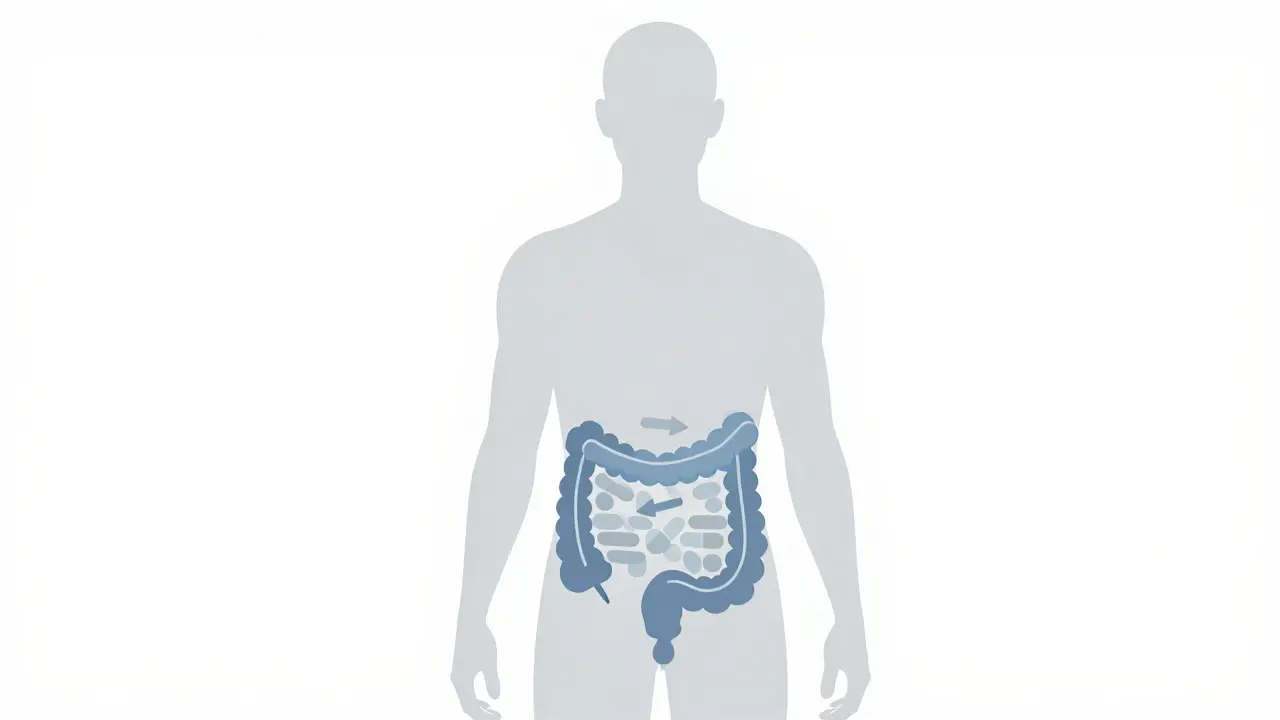
Constipation
No Tolerance DevelopsPrevalence
Virtually all chronic users experience this. It is the most common adverse effect occurring with chronic opioid use.
Why it happens
Opioids bind to receptors in the gut, slowing down peristalsis (muscle contractions). This allows more water to be absorbed from stool, making it hard.
Recommended Management
- Prophylactic Treatment: Start laxatives at the same time you start the opioid; do not wait for symptoms.
- Combination Therapy: Use a stimulant laxative (like senna) alongside an osmotic agent (like polyethylene glycol).
- Hydration: Drink plenty of water, as osmotic agents need fluid to work effectively.
- Fiber Caution: Avoid overloading on fiber supplements unless fluids are increased significantly to prevent bloating.
Drowsiness & Mental Fog
Tolerance DevelopsPrevalence
Affects 20% to 60% of patients when they first start therapy. Persists in only 10-15% of long-term users.
Why it happens
Result of central nervous system (CNS) depression. Feels like a heavy blanket over the mind, affecting focus and alertness.
Recommended Management
- Timing Matters: Take doses before bed or schedule them around times when high alertness is not required.
- Avoid Depressants: Never mix with alcohol, benzodiazepines, or other sedatives due to overdose risk.
- Medication Review: Ask your doctor to review other meds (antihistamines, muscle relaxers) that may worsen sedation.
Nausea
Temporary (Usually)Prevalence
Affects approximately 25-30% of patients starting therapy. Usually resolves within 3 to 7 days.
Why it happens
Direct stimulation of the chemoreceptor trigger zone in the brainstem and delayed gastric emptying (stomach stays full longer).
Recommended Management
- Take With Food: Take opioids with a small meal or snack unless advised otherwise.
- Anti-emetics: Use OTC options like promethazine or prescription ondansetron/metoclopramide.
- Natural Remedies: Ginger tea or capsules may provide relief for some patients.
Emergency Warning
Seek immediate help if you experience slow/shallow breathing, extreme difficulty waking up, choking sounds, or blue lips/fingernails. These are signs of overdose.
Prescription opioids are powerful tools for managing severe pain after surgery or during cancer treatment. They work by binding to specific receptors in your brain and body to block pain signals. But this relief comes with a heavy price tag in the form of side effects. If you have ever taken an opioid, you likely know that the medication does not just target pain; it affects your entire system.
Three side effects stand out as the most common and disruptive: constipation, drowsiness, and nausea. These are not rare glitches; they are predictable consequences of how opioids interact with your biology. Understanding why they happen and how to manage them is critical for staying on track with your pain management plan without sacrificing your quality of life.
Why Opioids Cause So Many Side Effects
To understand the side effects, you first need to look at how Opioids are powerful prescription medications derived from the opium plant or synthetically manufactured, primarily used for pain management following major injuries, surgeries, or severe conditions like cancer. These drugs bind to mu-opioid receptors found throughout your central nervous system and your gastrointestinal tract. When they activate these receptors to stop pain, they also slow down other bodily functions.
This widespread receptor activation explains why side effects are so common. According to data from the Centers for Disease Control and Prevention (CDC), nearly 8.6 million Americans aged 12 and older reported misusing prescription opioids in the past year alone. While misuse is a serious concern, even patients taking opioids exactly as prescribed face significant challenges. The goal is not to avoid opioids entirely if they are necessary, but to manage their impact proactively.
Constipation: The Side Effect That Does Not Go Away
If there is one rule about opioid side effects, it is this: tolerance builds for most of them, but not for constipation. The American Academy of Family Physicians (AAFP) identifies constipation as "the most common adverse effect occurring with chronic opioid use." Unlike nausea or drowsiness, which often improve after a few days, constipation typically persists for as long as you take the medication.
This happens because opioids bind to receptors in your gut, slowing down peristalsis-the wave-like muscle contractions that move food through your digestive system. This slowdown allows more water to be absorbed from your stool, making it hard and difficult to pass. It is a mechanical issue caused directly by the drug’s mechanism of action.
You should not wait until you are uncomfortable to address this. The AAFP emphasizes that "prophylactic treatments are essential." This means starting laxatives at the same time you start the opioid. Here is a practical approach:
- Combination Therapy: Use a stimulant laxative (like senna) alongside an osmotic agent (like polyethylene glycol). Stimulants push things along, while osmotics pull water into the bowel to soften stool.
- Hydration: Drink plenty of water. Osmotic agents need fluid to work effectively.
- Fiber Caution: Do not overload on fiber supplements unless you are also increasing fluids significantly, as this can sometimes worsen bloating.
For severe cases where standard laxatives fail, doctors may prescribe targeted treatments like methylnaltrexone bromide (Relistor). Approved by the FDA in 2008, this medication blocks opioid receptors in the gut without crossing the blood-brain barrier, meaning it relieves constipation without reducing your pain relief.
Drowsiness and Mental Fog
Drowsiness, or sedation, affects between 20% and 60% of patients when they first start opioid therapy. It feels like a heavy blanket over your mind, making it hard to focus, drive, or operate machinery. This is a result of central nervous system (CNS) depression.
The good news is that for most people, this side effect is transient. Your body develops tolerance to the sedative effects within several days to weeks. However, persistent sedation remains a problem for about 10-15% of long-term users. If you find yourself constantly fighting sleep, do not ignore it. Persistent drowsiness can increase the risk of falls and accidents, especially in older adults.
Here is how to manage drowsiness safely:
- Timing Matters: Take your dose before bed if possible, or schedule doses around times when you do not need high alertness.
- Avoid Other Depressants: Never mix opioids with alcohol, benzodiazepines (like Xanax or Valium), or other sedatives. This combination drastically increases the risk of respiratory depression and overdose.
- Review Medications: Ask your doctor to review all your current medications. Some drugs, like certain antihistamines or muscle relaxers, can worsen sedation when combined with opioids.
In rare cases where drowsiness persists despite dose adjustments, doctors might consider psychostimulants like methylphenidate. However, evidence for this approach is limited, and it requires careful monitoring due to potential side effects.
Nausea: The Temporary but Troubling Guest
Nausea affects approximately 25-30% of patients starting opioid therapy. It occurs through two main mechanisms: direct stimulation of the chemoreceptor trigger zone in your brainstem (which controls vomiting) and delayed gastric emptying (your stomach stays full longer).
Like drowsiness, nausea usually improves with time. Most patients develop tolerance to this side effect within 3 to 7 days. However, for about 10% of long-term users, nausea persists and can significantly impact their willingness to continue treatment.
If you experience nausea, try these strategies:
- Take With Food: Unless your doctor advises otherwise, take opioids with a small meal or snack. An empty stomach can intensify nausea.
- Anti-emetics: Over-the-counter options like promethazine or prescription options like ondansetron can help. Dopamine antagonists (like metoclopramide) are often first-line treatments because they target the brain’s vomiting center.
- Ginger: Some patients find relief with ginger tea or capsules, which have natural anti-nausea properties.
If nausea does not subside after a week, contact your healthcare provider. Persistent nausea can lead to dehydration and weight loss, complicating your overall health.
| Side Effect | Prevalence | Tolerance Development | Primary Management Strategy |
|---|---|---|---|
| Constipation | Virtually all chronic users | No tolerance develops | Prophylactic laxatives (stimulant + osmotic) |
| Drowsiness | 20-60% initially | Yes, within days to weeks | Dose timing, avoid CNS depressants |
| Nausea | 25-30% initially | Yes, within 3-7 days | Anti-emetics, take with food |
Safety Risks and Withdrawal Considerations
Managing side effects is not just about comfort; it is about safety. The CDC reports that nearly 308,000 people died from overdoses involving prescription opioids between 1999 and 2023. Respiratory depression-slowed or stopped breathing-is the most dangerous side effect, often linked to excessive drowsiness.
Another critical risk involves stopping opioids abruptly. The FDA warns that sudden discontinuation can lead to "serious harm," including uncontrolled pain, psychological distress, and withdrawal symptoms. Withdrawal often includes severe gastrointestinal issues like vomiting and diarrhea, which can mimic or worsen the initial side effects.
If you need to stop or reduce your opioid dose, it must be done gradually under medical supervision. The FDA’s 2019 guidance emphasizes that healthcare professionals should follow expanded protocols for safe dose reduction to avoid these severe withdrawal symptoms.
When to Seek Immediate Help
While constipation, drowsiness, and nausea are common, some symptoms signal a medical emergency. Call emergency services immediately if you or someone else experiences:
- Slow, shallow, or stopped breathing
- Extreme difficulty waking up or unresponsiveness
- Choking or gurgling sounds
- Blue or purple lips or fingernails
These are signs of opioid overdose. Having naloxone (Narcan) on hand can save a life by reversing the effects of an overdose temporarily.
Conclusion: Proactive Management is Key
Opioids remain a vital part of pain management for many people, but they require respect and careful handling. By anticipating side effects like constipation, drowsiness, and nausea, you can take steps to mitigate them before they become unmanageable. Work closely with your healthcare provider to create a personalized plan that includes prophylactic treatments and regular check-ins. Your goal is effective pain relief without compromising your daily functioning or safety.
How long does opioid-induced nausea last?
For most patients, opioid-induced nausea is temporary and resolves within 3 to 7 days as the body develops tolerance. However, about 10% of long-term users may experience persistent nausea, requiring ongoing management with anti-emetic medications.
Does constipation from opioids go away with time?
No, unlike other side effects, the body does not develop tolerance to opioid-induced constipation. It typically persists for as long as the medication is taken, making proactive management with laxatives essential from the start of therapy.
Can I drink alcohol while taking opioids?
No, you should never mix opioids with alcohol. Both are central nervous system depressants, and combining them significantly increases the risk of severe drowsiness, respiratory depression, and fatal overdose.
What should I do if I miss a dose of my opioid medication?
If you miss a dose, take it as soon as you remember unless it is almost time for your next dose. Do not double up on doses to make up for a missed one, as this can increase the risk of side effects and overdose. Consult your doctor for specific instructions tailored to your regimen.
Are there non-opioid alternatives for pain management?
Yes, depending on the type and severity of pain, alternatives may include NSAIDs (like ibuprofen), acetaminophen, physical therapy, nerve blocks, or antidepressants and anticonvulsants for nerve pain. Discuss these options with your healthcare provider to see if they are appropriate for your condition.