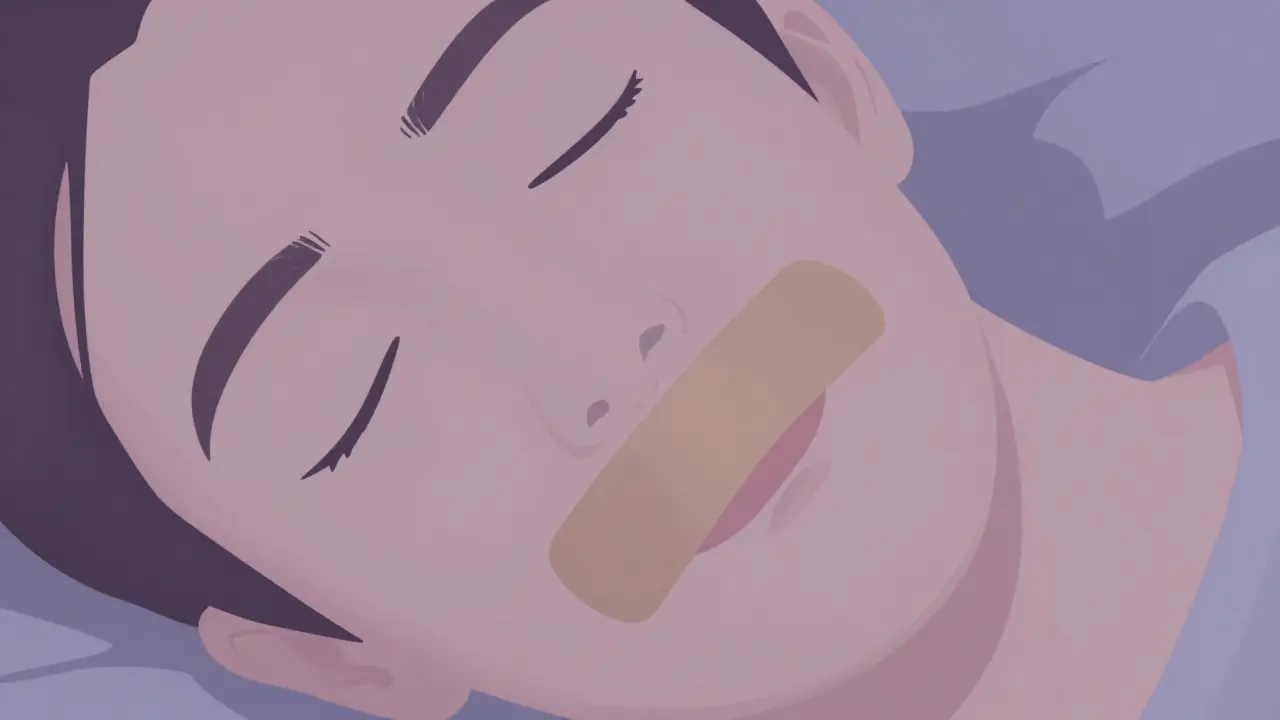
You’ve likely seen it on TikTok or Instagram: a quick clip of someone applying a small strip of tape across their lips before bed. The caption promises better skin, less snoring, and deeper sleep. It looks simple. It feels cheap. And millions of people have tried it. But here is the hard truth that social media influencers rarely mention: mouth taping can be dangerous if you have an undiagnosed breathing disorder.
The practice gained viral fame between 2020 and 2021, promoted as a miracle cure for everything from bad breath to wrinkles. However, behind the aesthetic appeal lies a complex medical reality. While nasal breathing is indeed healthier than mouth breathing, forcing your body to breathe through its nose by sealing your mouth shut carries significant risks. This article breaks down what the science actually says, who should avoid this trend at all costs, and what safer alternatives exist for improving your sleep quality.
What Is Mouth Taping and Why Did It Go Viral?
Mouth taping involves applying adhesive tape-usually hypoallergenic paper tape like 3M Micropore-horizontally across the closed lips during sleep. The goal is to prevent mouth breathing and encourage nasal respiration. Proponents argue that nasal breathing filters, warms, and humidifies air more effectively than mouth breathing, which supposedly leads to better oxygenation and reduced dry mouth.
The theory isn’t entirely new. Orthodontists and myofunctional therapists have long advocated for nasal breathing to support proper facial development in children. However, the recent surge in adult adoption is driven largely by social media algorithms rather than clinical guidelines. A content analysis by the University of Pennsylvania’s Annenberg School found over 1.2 million videos using the hashtag #mouhttping, with 73% promoting benefits without mentioning potential dangers.
Most users report trying it because they want to stop snoring or improve their sleep aesthetics. Some claim anti-aging benefits, suggesting that keeping the mouth closed prevents deep nasolabial folds (smile lines). While closing your mouth might reduce some facial tension, there is no robust scientific evidence linking mouth taping to cosmetic improvements. The primary driver remains the desire for quieter, deeper sleep.
The Scientific Evidence: What Do Studies Actually Say?
If you’re looking for definitive proof that mouth taping cures sleep disorders, you won’t find it. A systematic review published in PLOS One in September 2020 examined 10 studies involving 213 patients. The researchers concluded that the existing evidence was limited and of poor quality. Crucially, only two of those ten studies showed statistically significant improvements in the Apnea-Hypopnea Index (AHI), a key metric for measuring sleep apnea severity.
One notable study from the National Institutes of Health (NIH), published in 2022, looked at mouth-breathers with mild obstructive sleep apnea (OSA). It reported a 50% reduction in AHI and snoring index for participants who tolerated the tape. However, this study had major caveats. Seventy-five percent of the participants had positional sleep apnea, meaning their breathing issues only occurred when sleeping on their backs. The tape helped them stay awake enough to change positions or keep their airways open, but it failed completely for those who could not breathe through their noses due to congestion or structural issues.
Another critical finding from a 2022 study in the Journal of Clinical Sleep Medicine identified the "mouth puffing phenomenon." When individuals try to breathe through their mouths while taped, air leaks around the edges, causing the cheeks to puff out. This indicates that the person is struggling to get enough air. In a June 2023 follow-up study involving 127 participants with mild OSA, 22% experienced clinically significant oxygen desaturation events (SpO2 levels dropping below 88%) while wearing tape. Compare that to just 4% in normal sleep conditions. This drop in oxygen levels is a serious red flag, potentially leading to heart strain and increased blood pressure overnight.
| Intervention | Effectiveness (AHI Reduction) | Safety Profile | Cost Estimate |
|---|---|---|---|
| Mouth Taping | Inconsistent; up to 50% in specific positional cases | Risk of oxygen desaturation, anxiety, skin irritation | $5 - $15 per roll |
| CPAP Therapy | 85-90% when used consistently | Highly safe; minor side effects like dry mouth | $500 - $3,000 (machine + supplies) |
| Mandibular Advancement Devices | 40-60% in mild to moderate cases | Safe; may cause jaw discomfort or tooth movement | $1,000 - $2,500 |
| Nasal Dilators | Variable; helps with congestion-related snoring | Very safe; non-invasive | $10 - $50 |
Safety Concerns: Who Should Never Try Mouth Taping?
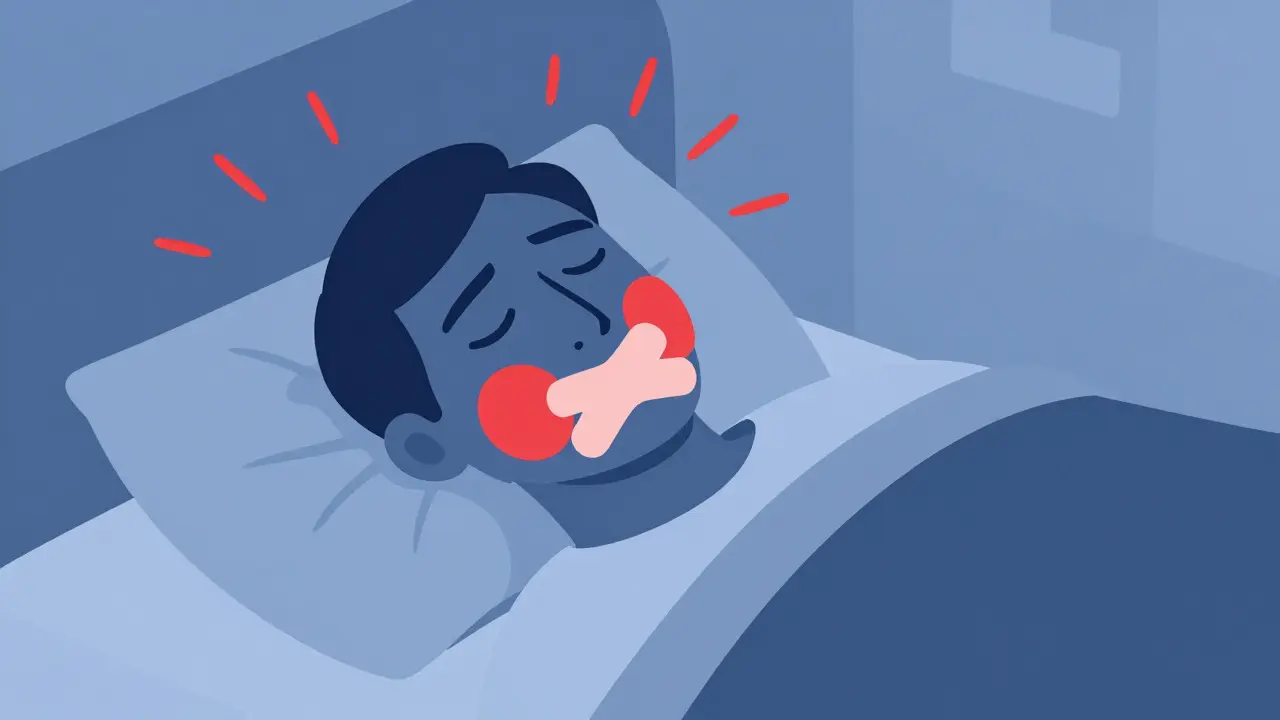
The biggest risk of mouth taping is not the tape itself, but what it hides. If you have undiagnosed sleep apnea, chronic sinusitis, deviated septum, or allergies that cause nasal congestion, sealing your mouth can lead to severe breathing difficulties. You are essentially removing your backup airway.
Dr. Hoangmai Nguyen, a sleep specialist at Cleveland Clinic, explicitly warns against the practice for anyone who snores or has respiratory conditions. She notes that it can cause anxiety, difficulty breathing, and skin irritation. Similarly, Dr. Brian Rotenberg, co-author of the PLOS One review, states that taping the mouth shut is dangerous for those unaware they have sleep apnea. These individuals unknowingly worsen their symptoms, increasing their risk for heart disease and stroke.
Consider the mechanics of sleep. During REM sleep, your muscles relax, including those in your throat. If your nasal passages are partially blocked by inflammation or anatomy, your body naturally switches to mouth breathing to maintain airflow. Tape prevents this switch. The result? Your brain struggles to get oxygen, triggering micro-arousals that fragment your sleep. You might wake up feeling exhausted, with headaches or a dry mouth, despite having slept eight hours.
Additionally, there is the psychological aspect. Many users report waking up gasping or feeling panicked because they couldn’t open their mouths. A survey by the American Sleep Apnea Association found that 68% of self-reported mouth tapers stopped within two weeks due to discomfort. Twelve percent reported at least one episode of waking up unable to breathe. This is not a minor inconvenience; it is a sign of respiratory distress.
Expert Perspectives and Medical Consensus
The medical community has been vocal about its concerns. Major organizations, including the American Academy of Sleep Medicine (AASM) and the American Academy of Dental Sleep Medicine (AADSM), do not endorse mouth taping as a treatment for any sleep-related condition. In January 2023, the AADSM issued a position statement highlighting that forced restriction of oral breathing without proper evaluation poses unacceptable risks.
In April 2023, the American Medical Association passed Resolution 305, calling for increased public education about the dangers of unmonitored mouth taping. This resolution reflects a growing consensus among healthcare providers that social media trends are outpacing safety guidelines. Dr. Lawrence Epstein of Harvard Health Publishing noted that there is no research supporting the measure, and in certain cases, it could significantly reduce oxygen levels.
Regulatory bodies are also taking notice. The FDA has not approved any mouth tape products for treating sleep apnea. In August 2022, the Federal Trade Commission issued warning letters to three companies for making unsubstantiated health claims about their mouth taping products. Despite this, the market continues to grow, driven by consumer demand for low-cost solutions. Products like Somnifix Lips Strips sell for nearly $20 for 30 strips, marketing themselves as sleep aids without medical backing.
Practical Implementation: If You Still Want to Try It
If you have no known respiratory issues, clear nasal passages, and still wish to experiment with mouth taping, proceed with extreme caution. Here is how to minimize risk:
- Consult a Doctor First: Rule out sleep apnea, allergies, and nasal obstructions. A sleep study can provide clarity.
- Ensure Nasal Patency: Use saline rinses or nasal dilators to ensure your nose is fully open. If you cannot breathe comfortably through your nose while awake, do not tape your mouth.
- Start Small: Begin with short daytime naps rather than full nights. Monitor how you feel upon waking.
- Use Hypoallergenic Tape: Choose medical-grade paper tape designed for sensitive skin. Avoid strong adhesives that can tear skin or cause allergic reactions.
- Listen to Your Body: If you experience anxiety, gasping, or difficulty breathing, remove the tape immediately. Do not push through discomfort.
Remember that even with these precautions, success rates are low. The NIH study noted that 25% of screened participants couldn’t tolerate the tape during initial trials. Only 38% of first-time users completed a full night successfully according to Cleveland Clinic data.
Safer Alternatives for Better Sleep
If your goal is to reduce snoring or improve sleep quality, consider evidence-based alternatives that address the root cause of breathing issues.
- Continuous Positive Airway Pressure (CPAP): The gold standard for moderate to severe OSA. It keeps airways open with pressurized air, reducing AHI by 85-90%.
- Mandibular Advancement Devices (MADs): Custom-fitted dental appliances that pull the jaw forward, opening the airway. Effective for mild to moderate OSA.
- Nasal Dilators: External or internal strips that widen nasal passages, helpful for congestion-related snoring.
- Weight Management: Excess weight around the neck can compress airways. Losing weight can significantly reduce snoring and OSA severity.
- Sleep Position Training: Since many people have positional OSA, training yourself to sleep on your side can help. Wearable devices or tennis ball techniques can assist.
These options require more investment or effort than a roll of tape, but they offer proven safety and efficacy. Investing in your health means choosing solutions backed by science, not trends.
Is mouth taping safe for everyone?
No. Mouth taping is unsafe for individuals with undiagnosed sleep apnea, nasal congestion, deviated septum, or other respiratory conditions. It can lead to oxygen desaturation and breathing difficulties. Always consult a healthcare provider before trying it.
Can mouth taping cure sleep apnea?
No. There is no strong scientific evidence that mouth taping cures sleep apnea. While some studies show modest improvements in mild, positional cases, it is not a recognized treatment. CPAP and mandibular advancement devices are the standard treatments.
What type of tape should I use if I decide to try it?
If you choose to try it after consulting a doctor, use hypoallergenic medical paper tape like 3M Micropore. Avoid strong adhesives or duct tape, which can damage skin and cause allergic reactions. Apply it horizontally across the lips, ensuring it is loose enough to remove easily if needed.
Why do doctors warn against mouth taping?
Doctors warn against it because it removes the backup airway (the mouth) for people who rely on it due to nasal obstruction or sleep apnea. This can cause oxygen levels to drop dangerously low, leading to heart strain, anxiety, and fragmented sleep. The lack of standardized testing and regulation further increases risks.
Are there any proven benefits to nasal breathing during sleep?
Yes. Nasal breathing filters, warms, and humidifies air, which can improve overall respiratory health. It also promotes nitric oxide production, which enhances oxygen uptake. However, achieving nasal breathing should be done through addressing underlying issues like congestion or anatomy, not by forcibly sealing the mouth.


Earl Oleary
July 17, 2026 AT 10:00