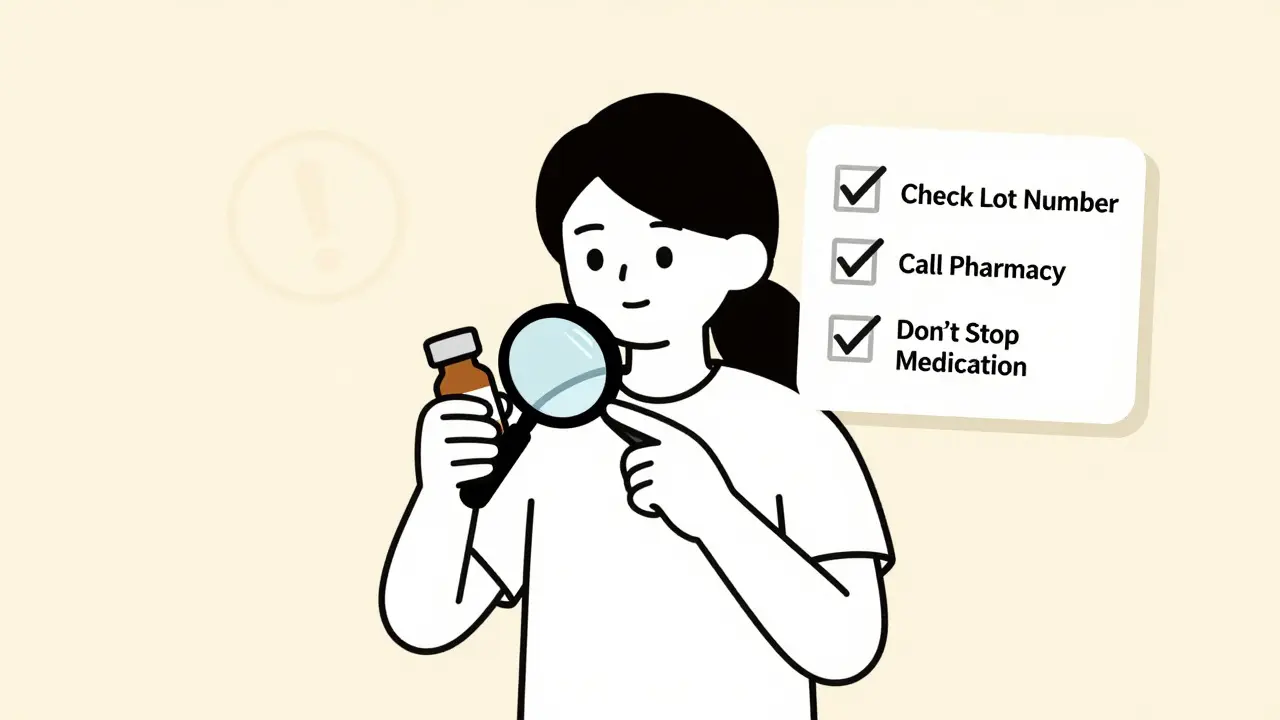
When you open your medicine cabinet and see a recall notice for your blood pressure pill or diabetes medication, your first thought might be to stop taking it right away. That’s the worst thing you can do. Most recalls aren’t emergencies - they’re corrections. But if you don’t act correctly, you could put yourself at greater risk than the recalled drug ever could.
Understand the Recall Level - Not All Recalls Are the Same
The FDA classifies recalls into three levels, and knowing which one applies to your medicine changes what you do next. Class I recalls are the most serious - there’s a real chance the drug could cause serious harm or death. These make up only about 15% of all recalls. Class II means the medicine might cause temporary or reversible side effects. Class III is the least serious - the drug is unlikely to hurt you, but it doesn’t meet regulatory standards, maybe because the label is wrong or the pill color is off.Don’t panic if you hear your drug is being recalled. In 2022, nearly 70% of recalls were precautionary, meaning the risk was low or theoretical. The FDA got reports of 4,872 drug recalls that year, but only a tiny fraction were life-threatening. Most were about labeling errors, contamination in one batch, or manufacturing flaws that didn’t affect every pill.
Check Your Lot Number - Don’t Assume the Whole Batch Is Affected
This is the single most important step. A recall doesn’t mean every bottle of that drug is dangerous. Only specific lots - groups of pills made at the same time - are affected. The recall notice will list the lot number, expiration date, and NDC code (a 10-digit number on the bottle). You need to match your bottle’s info to the official recall list.Many patients assume if their drug is recalled, they’re all at risk. But 45% of people don’t check the lot number. That’s why so many end up stopping their meds unnecessarily. If your bottle’s lot number isn’t listed, you’re fine. Keep taking it. If it is listed, don’t throw it out yet - call your pharmacy.
Call Your Pharmacy First - Don’t Wait for a Letter
Pharmacists are your best resource during a recall. They get real-time alerts from the FDA and manufacturers. In 2022, 92% of U.S. pharmacies had systems to instantly check if your specific medication was affected. They can tell you whether your bottle is in the recall, if they have a replacement, and when you can pick it up.Most pharmacies can swap out a recalled drug for a safe version within 24 to 48 hours. They might give you a different brand, a different manufacturer, or even a different dosage form. Don’t wait for a letter in the mail. Call today. Even if you think your lot number is safe, ask them to double-check. Pharmacists have access to databases you don’t.
Never Stop Taking Your Medicine Without Talking to Your Doctor
This is the biggest mistake people make. In the FDA’s 2022 patient survey, 22% of people stopped their recalled medication cold turkey. That’s dangerous. If you’re on blood pressure meds, diabetes drugs, or antidepressants, stopping suddenly can cause strokes, heart attacks, seizures, or severe withdrawal.The FDA was clear during the 2021 valsartan recall: "Continue taking your current medicine until your doctor or pharmacist gives you a replacement." The risk of stopping is often higher than the risk of the recalled drug. Your doctor knows your history. They’ll tell you if you need to switch now, wait for a refill, or monitor for symptoms.

Dispose of Recalled Medicine the Right Way
If your pharmacist says to throw the medicine away, don’t flush it or toss it in the trash. That’s how water supplies get contaminated and kids or pets get into pills. The FDA’s recommended method: mix the pills with something unappetizing - used coffee grounds, cat litter, or dirt. Put the mixture in a sealed plastic bag, then throw it in the trash. This makes it unappealing and hard to recover.Some pharmacies have take-back bins. Ask if yours does. If the recall notice says to return the medicine to the manufacturer, follow those instructions exactly. If you’re unsure, call your pharmacist. They’ve done this before - they’ll know the right way.
Watch for Symptoms and Report Them
Even if you’ve replaced the drug, keep an eye on how you feel. If you’ve been taking a recalled medication and notice unusual symptoms - dizziness, nausea, skin rashes, irregular heartbeat, or extreme fatigue - contact your doctor immediately. Write down when the symptoms started, what you were taking, and how often.The FDA’s Adverse Event Reporting System (FAERS) got over 1.2 million reports in 2022. About 8% of those were linked to drugs later recalled. That means people reporting symptoms helped uncover problems before more people got hurt. Use the FDA’s MedWatch program to report side effects directly. You don’t need a doctor’s note - just your name, the drug, the lot number, and what happened.
How to Check for Recalls Yourself
You don’t have to wait for someone to tell you. You can check the FDA’s website yourself in four steps:- Go to www.fda.gov/safety/recalls
- Type in your drug’s brand name (e.g., "Lisinopril") or generic name
- Use the "Product Type" dropdown to select "Human Drugs"
- Click on the recall notice and compare the lot number and expiration date to your bottle
You can also sign up for the FDA’s RSS feed or email alerts. About 45% of healthcare workers use these to stay updated. If you’re on long-term meds, it’s worth subscribing. You’ll get real-time updates without having to search every week.
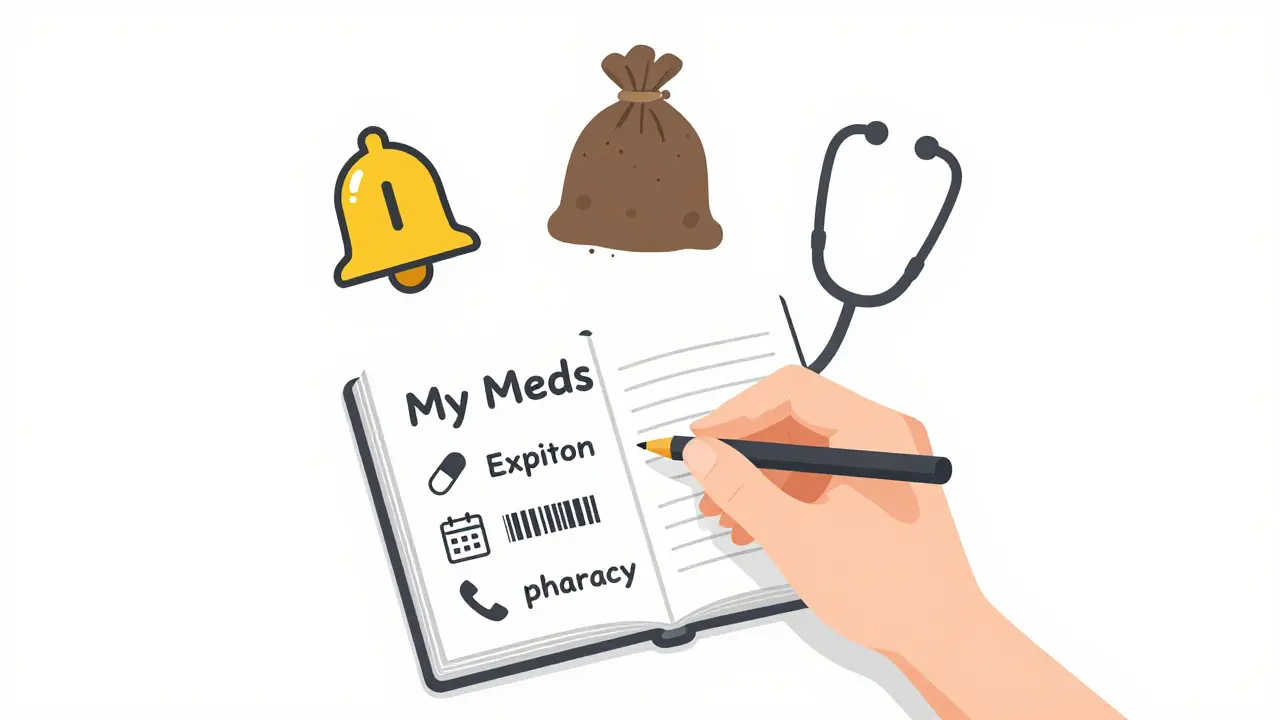
Keep a Medication Log - It Saves Time During a Recall
Only 18% of patients keep a written record of their prescriptions with lot numbers and expiration dates. But those who do? They resolve recall issues 60% faster. Why? Because they don’t have to dig through pill bottles or call the pharmacy to find the info.Start a simple notebook or use a free app. Write down:
- Drug name (brand and generic)
- Dosage
- Prescribing doctor
- Pharmacy name
- Lot number
- Expiration date
Update it every time you refill. When a recall happens, you can check your list in 30 seconds. No panic. No confusion. Just action.
What’s Being Done to Improve This?
The FDA is making changes. In 2024, they launched pilot programs to send recall alerts directly to patients through pharmacy benefit managers and mobile apps. Early results show a 35% improvement in how fast people respond. They’re also pushing manufacturers to make lot numbers easier to find on packaging.But until these systems are nationwide, you’re still your own best defense. Don’t wait for the system to fix itself. Know your meds. Know your lot numbers. Know your pharmacy.
Common Mistakes to Avoid
- Stopping your meds without talking to your doctor - this causes more harm than the recall itself. - Ignoring lot numbers - assuming all bottles are bad when only one batch is affected. - Flushing pills - contaminates water and wastes resources. - Waiting for a letter - recalls move fast. Your pharmacy knows before you do. - Not reporting symptoms - your report could help stop a bigger problem.Recalls aren’t failures - they’re proof the system works. Drugs are pulled because someone noticed a problem and acted. You’re part of that system. Stay calm. Stay informed. Stay in touch with your pharmacist.
What should I do if my medication is recalled?
Don’t panic. Don’t stop taking it. Check the lot number on your bottle against the FDA recall notice. Call your pharmacy to confirm if your specific batch is affected. They can provide a replacement or alternative within 24-48 hours. Only stop the medication if your doctor or pharmacist tells you to.
Are all batches of a recalled drug dangerous?
No. Only specific lots - groups made at the same time - are affected. A recall doesn’t mean every bottle of that drug is unsafe. You must match your bottle’s lot number and expiration date to the official recall list. Most patients mistakenly assume the whole drug line is bad, but only about 1 in 5 recalled lots actually pose a risk.
Can I just throw away recalled medication in the trash?
No. Never throw pills directly into the trash or flush them. Mix them with something unappetizing like coffee grounds or cat litter, seal them in a plastic bag, then throw them away. This prevents children, pets, or others from accidentally ingesting them. Some pharmacies offer take-back programs - ask yours if they have one.
Why do pharmacies get recall alerts before patients do?
Pharmacies are required by law to monitor FDA recall notices and have systems in place to track which lots they’ve dispensed. They link your prescription to the lot number when you pick up your medicine. That means they can instantly tell if your specific bottle is affected. Patients usually only hear about recalls through news or mail - which is slower.
How often do medication recalls happen?
In 2022, there were 4,872 drug recalls in the U.S. Most (65%) were due to manufacturing errors, 20% to labeling issues, and 10% to contamination. Only about 15% were Class I - the highest risk. The number of recalls has increased 12% since 2021, but that’s partly because detection and reporting have improved, not because drugs are becoming less safe.
Which drugs are most often recalled?
Blood pressure medications - especially ARBs like valsartan - are the most commonly recalled, making up 18% of Class I recalls in 2022. Diabetes drugs and cancer treatments follow closely. These are often recalled due to contamination with impurities like NDMA, a potential carcinogen found in some manufacturing processes. But again, only specific lots are affected.
Should I sign up for FDA recall alerts?
Yes. The FDA offers free RSS feeds and email alerts for drug recalls. About 45% of healthcare professionals subscribe. If you take multiple medications or have chronic conditions, this is one of the easiest ways to stay ahead of potential risks. You’ll get notified the same day a recall is issued - faster than most news outlets.
What if I already stopped taking my recalled medication?
Contact your doctor or pharmacist right away. Stopping certain medications suddenly - like those for high blood pressure, epilepsy, or depression - can be dangerous. They’ll assess your condition and advise whether you need to restart, switch to another drug, or monitor for side effects. Don’t wait. Even if you feel fine, the risk of rebound effects is real.
Next Steps: Be Ready for the Next Recall
The next recall could come tomorrow. Don’t wait until then to act. Start today: write down your current medications with lot numbers and expiration dates. Keep that list in your wallet or phone. Call your pharmacy and ask if they’ll notify you if your meds are ever recalled. Sign up for FDA alerts. Know your doctor’s advice for what to do if a recall happens.Drug safety isn’t just the FDA’s job - it’s yours too. Being informed doesn’t mean living in fear. It means being prepared. And that’s the best protection you have.


Jarrod Flesch
January 20, 2026 AT 12:20