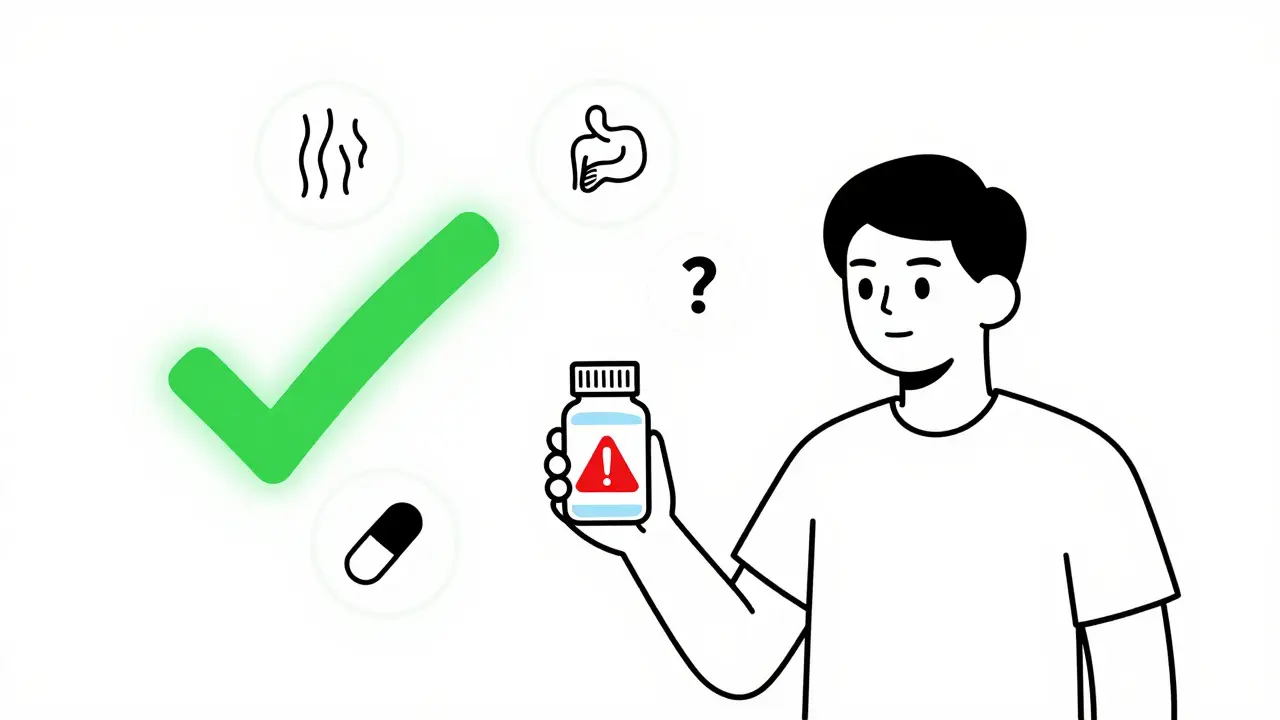
When you hear the word allergy, you probably think of pollen, peanuts, or pet dander. But what about medications? Many people believe they’re allergic to penicillin-or amoxicillin, or sulfa drugs-because they got a rash as a kid, or felt sick after a pill. The problem? Most of the time, they’re not actually allergic at all.
About 10% of people say they’re allergic to penicillin. But studies show that 90-95% of those people can take it safely if they’re properly tested. That’s not a small mistake. It’s a nationwide health blind spot that leads to worse outcomes, longer hospital stays, and billions in extra costs every year.
What Really Counts as a Drug Allergy?
A true drug allergy is when your immune system reacts to a medication like it’s an invader. It’s not just nausea, dizziness, or a headache. Those are side effects. A real allergy means your body releases histamine and other chemicals that cause symptoms like hives, swelling, trouble breathing, or anaphylaxis-a life-threatening drop in blood pressure.
Most people who think they’re allergic to penicillin had a mild rash as a child. That rash? It was likely a viral infection, not an allergy. Or maybe they felt sick after taking the pill on an empty stomach. Either way, they never got tested. And now, decades later, that label sticks to them like a tattoo.
Penicillin is the most common culprit, but sulfa drugs and NSAIDs like ibuprofen or naproxen also trigger immune reactions. The key is knowing the difference between a side effect and a true allergic reaction. If you broke out in hives within an hour of taking a pill, that’s a red flag. If you just got a stomachache? Probably not an allergy.
Why Mislabeling Matters
When you’re labeled allergic to penicillin, doctors avoid it. They switch to other antibiotics-often broader-spectrum ones like clindamycin, vancomycin, or fluoroquinolones. These drugs aren’t just more expensive. They’re riskier.
Patients with a mislabeled penicillin allergy are 69% more likely to get these broad-spectrum antibiotics. And that increases their chance of getting a Clostridium difficile infection by 26%. That’s a severe gut infection that causes diarrhea, fever, and can be deadly in older adults.
On top of that, hospital stays get longer. One study found patients with a penicillin allergy label stayed in the hospital 30% longer than those without. Why? Because the alternatives aren’t as effective for certain infections. For example, if you have syphilis and are pregnant, penicillin is the only treatment that works. If you’re wrongly labeled allergic, you might not get the right care at all.
The financial cost? Over $1.2 billion a year in the U.S. alone. That’s not just wasted money-it’s wasted health.
How to Know If You’re Really Allergic
The only way to be sure is testing. And it’s simpler than you think.
First, a skin test. A tiny amount of penicillin and its breakdown products is placed under your skin. If you’re allergic, you’ll get a red, itchy bump within 15-20 minutes. If not? You’re cleared. No guesswork.
For people with low-risk histories-like a childhood rash with no breathing trouble-a doctor might skip the skin test and go straight to an oral challenge. You take a small dose of penicillin under supervision. If nothing happens after an hour, you’re good to go.
These tests are safe, quick, and covered by most insurance. Yet, only 15% of hospitals have a dedicated allergy service. That’s why so many people stay labeled for life.

What If You’re Truly Allergic?
If you’ve had a real allergic reaction-like swelling of the throat, low blood pressure, or anaphylaxis-you need to take it seriously. You should avoid that drug and any closely related ones.
For penicillin, that means avoiding all beta-lactam antibiotics: amoxicillin, ampicillin, cephalosporins (like ceftriaxone), and carbapenems (like meropenem). But here’s the twist: cross-reactivity with cephalosporins is much lower than people think. Only about 1-3% of people with true penicillin allergy react to third-gen cephalosporins. So if you need one for an infection, your doctor might still consider it-especially if the benefit outweighs the risk.
Safe alternatives depend on what you’re treating:
- For strep throat: azithromycin or clarithromycin (macrolides)
- For urinary tract infections: nitrofurantoin or fosfomycin
- For pneumonia: doxycycline or levofloxacin
- For skin infections: clindamycin or vancomycin (but only if truly needed)
These alternatives cost more. Azithromycin runs about $25 for a 5-day course. Penicillin? Around $4. They also carry different risks-like tendon damage with fluoroquinolones or gut issues with clindamycin. That’s why avoiding them when possible matters.
Desensitization: When There’s No Other Choice
Some infections have no safe alternative. Syphilis in pregnancy. Certain heart infections. Severe cases of Lyme disease. In these cases, doctors use a process called desensitization.
It’s not a cure. It’s a temporary workaround. You’re given tiny, increasing doses of the drug-starting with a fraction of a milligram-every 15 to 30 minutes, under constant monitoring. By the end of several hours, your body tolerates the full dose. You’re not cured of the allergy. But for that one treatment, you can safely take the drug.
Success rates? Over 80%. But it’s only done in hospitals with emergency equipment on hand. You can’t do this at home. And you can’t keep taking the drug long-term-you have to re-desensitize every time.
How to Protect Yourself
If you think you have a drug allergy, here’s what to do:
- Write down exactly what happened. Not just “I got sick.” Say: “After taking amoxicillin on March 12, 2020, I broke out in hives and my lips swelled up within 20 minutes.”
- Include the dose, route (pill, shot, IV), and how many times you took it before the reaction.
- Keep a wallet card or digital note in your phone with this info.
- Ask your doctor for a referral to an allergist. Don’t wait for an emergency.
- Ask your pharmacy to update your records. Many still have outdated labels.
And if you’ve been cleared by testing? Make sure your primary care doctor, dentist, and ER records reflect that. Too many people get re-labeled because records don’t talk to each other.
The Bigger Picture
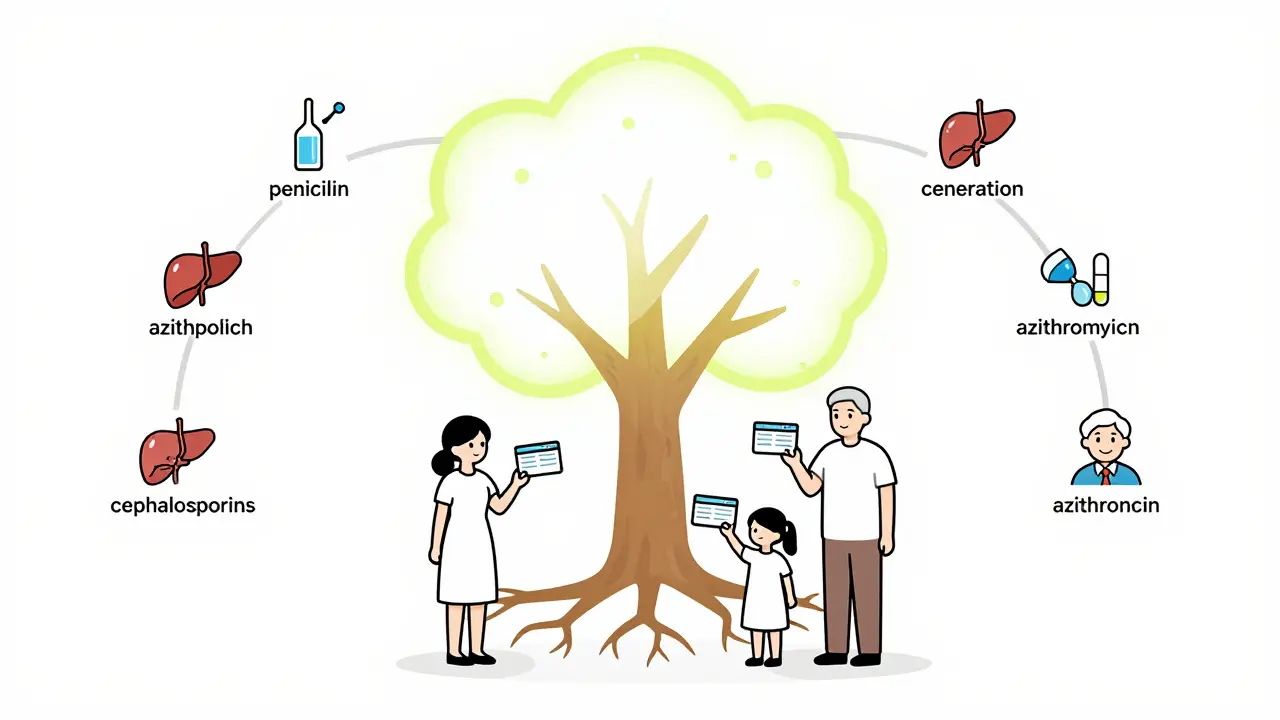
Drug allergies aren’t just about one person. They affect everyone. Overuse of broad-spectrum antibiotics fuels antibiotic resistance-a global crisis. When we avoid penicillin unnecessarily, we push bacteria to evolve. That means harder-to-treat infections for your kids, your parents, your neighbors.
Initiatives like the American Academy of Allergy, Asthma & Immunology’s “Choose Penicillin” campaign are starting to change things. In 12 pilot hospitals, they cut unnecessary alternative antibiotic use by 65% in just one year.
The future? More testing in primary care. More standardized electronic records. More awareness. By 2027, half of all penicillin allergy evaluations could happen in a doctor’s office, not a specialist clinic.
This isn’t just about avoiding a rash. It’s about getting the right treatment, faster, safer, and cheaper. It’s about protecting your health-and the health of everyone around you.
Frequently Asked Questions
Can I outgrow a penicillin allergy?
Yes. Many people who had a reaction as a child lose their sensitivity over time. Studies show that up to 80% of people who were allergic to penicillin as kids can take it safely after 10 years. That’s why it’s never too late to get tested-even if it’s been decades.
Is a rash always a sign of a drug allergy?
No. Most rashes after taking antibiotics are not allergic. Viral infections like mononucleosis or roseola can cause rashes when paired with amoxicillin. These aren’t allergies-they’re coincidences. A true allergic rash comes with other symptoms: swelling, itching, trouble breathing, or dizziness. If it’s just a flat, pink rash without other signs, it’s likely not an allergy.
Can I take cephalosporins if I’m allergic to penicillin?
For most people, yes. The risk of cross-reactivity between penicillin and newer cephalosporins like ceftriaxone is only 1-3%. Older studies said it was higher, but modern guidelines show the risk is low. If you need a cephalosporin for a serious infection, your doctor can safely prescribe it-especially if you’ve been tested and found not to have a true IgE-mediated allergy.
What should I do if my allergy label is wrong in my medical records?
Get your test results in writing and share them with every provider you see. Ask your primary care doctor to update your electronic record. Call your pharmacy and request a correction. If they refuse, ask to speak to a pharmacist. You have the right to accurate medical records. Don’t let an outdated label put your health at risk.
Are there any risks to allergy testing?
Skin testing is very safe when done by trained professionals. In rare cases, it can trigger a mild reaction, but clinics are equipped to handle it immediately. Oral challenges carry a slightly higher risk, but they’re done in controlled settings with emergency equipment ready. The risk of testing is far lower than the risk of using the wrong antibiotic for years.
Next Steps
If you’ve ever been told you’re allergic to a medication, take five minutes today to ask yourself: Is this based on facts-or just a label?
Check your records. Call your doctor. Ask about testing. If you’ve never been evaluated, you might be avoiding a safe, cheaper, more effective treatment for no reason.
And if you’ve already been cleared? Tell your family. Share your story. You might help someone else break free from a label they never needed.


Jacob Cathro
January 21, 2026 AT 02:37