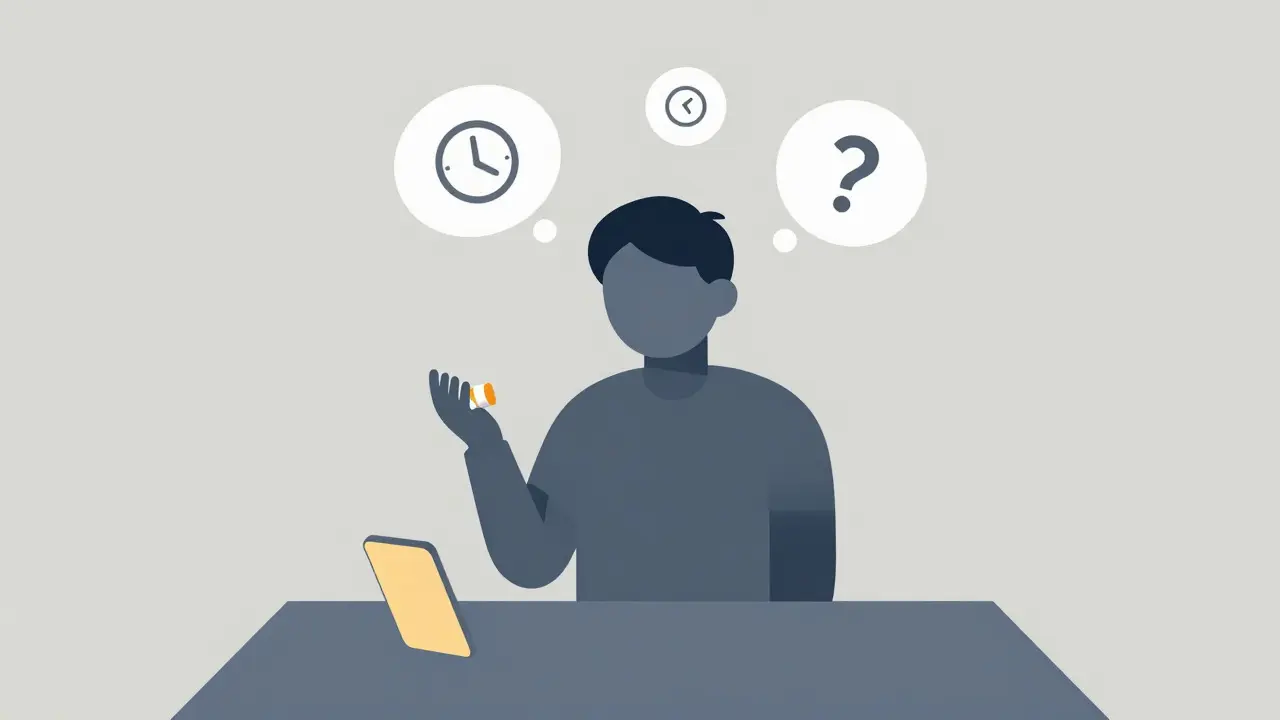
Forgetfulness is the number one reason people miss their pills. You know you need to take your blood pressure medication or insulin, but life gets busy, routines shift, and suddenly it’s 8 PM and you’re not sure if you took that morning dose. This isn’t just a minor inconvenience; missed doses can lead to hospital visits, worsened conditions, and higher medical bills. That’s where text message reminders come in as a simple, effective tool.
Sending automated SMS alerts to your phone is one of the most accessible ways to stay on track with your treatment plan. Research shows that these digital nudges can significantly boost how often patients take their medicine correctly. But setting up a system that actually works requires more than just adding a contact to your phone. It involves choosing the right platform, timing your messages correctly, and understanding what makes a reminder stick rather than get ignored.
Why Text Reminders Work for Medication Adherence
The science behind text message support is solid. According to a 2017 study published in JMIR mHealth, patients who received text reminders showed a 14.2 percentage point improvement in medication adherence compared to those who didn't. In plain terms, while the average person without reminders adhered to their schedule 80% of the time, those with texts hit 94%. That gap matters when you are managing chronic conditions like diabetes or heart disease.
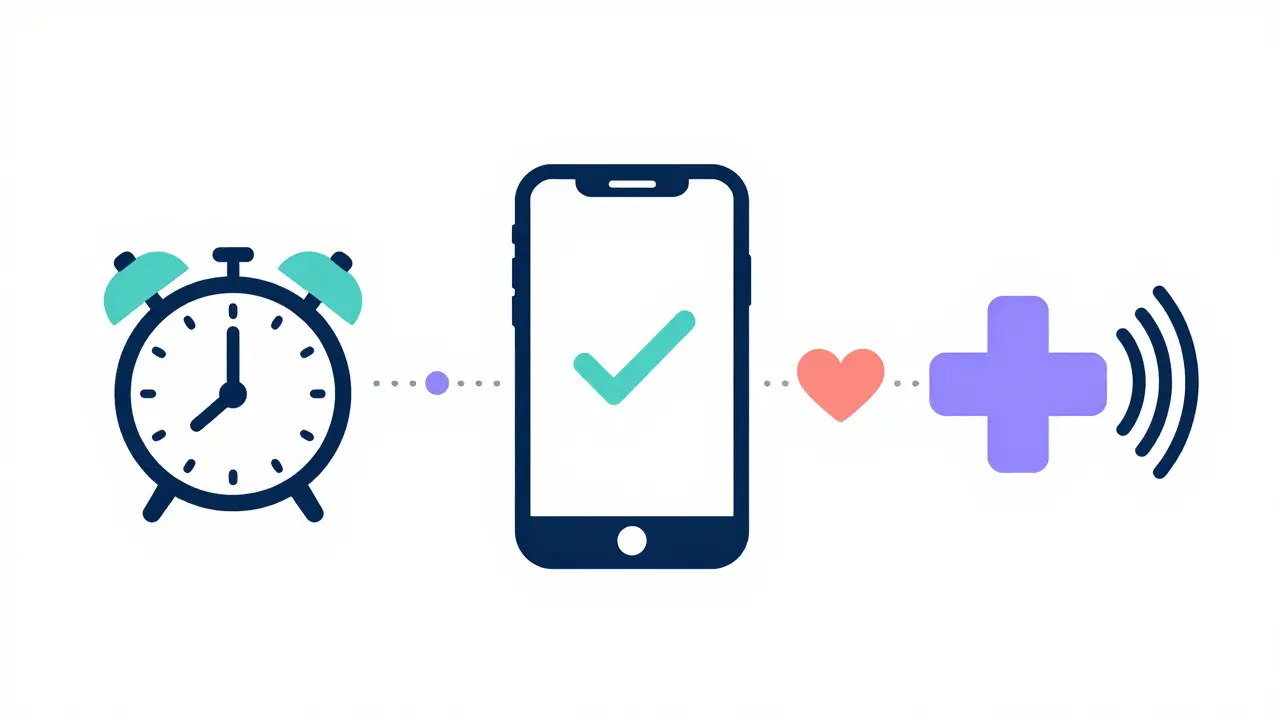
Text messages work because they act as an external cue. Your brain has limited bandwidth, especially when you are stressed or overwhelmed. A short buzz on your wrist or pocket serves as a trigger to perform a specific action-taking your pill. Unlike complex apps that require logging in and navigating menus, SMS is universal. Almost everyone has a mobile phone, and almost everyone checks their messages. The barrier to entry is near zero.
However, effectiveness varies by condition. Studies indicate that text reminders are particularly powerful for infectious diseases like HIV and tuberculosis, where missing a dose can have immediate, severe consequences. For chronic cardiovascular conditions, the results are mixed. A large 2023 JAMA trial involving over 9,500 patients found that generic text messages alone did not significantly improve refill rates after a year. This suggests that while texts help start the habit, they might not sustain it long-term without additional support or personalization.
Choosing the Right Reminder System
Not all reminder systems are created equal. You generally have three options: manual phone alarms, dedicated medication apps, and healthcare-provided SMS services. Each has pros and cons depending on your tech comfort level and needs.
| Method | Setup Difficulty | Personalization | Best For |
|---|---|---|---|
| Standard Phone Alarms | Low | High (you set them) | Simple schedules, 1-2 meds |
| Medication Apps (e.g., Medisafe) | Medium | Very High | Complex regimens, tracking history |
| Provider SMS Services | None (automatic) | Low/Medium | Patient engagement, clinical oversight |
If you only take one pill once a day, a standard alarm on your smartphone is likely sufficient. It’s free and requires no new accounts. However, if you manage multiple medications with different dosages and times, a dedicated app like Medisafe or MyTherapy offers better structure. These apps can send push notifications that function similarly to texts but offer features like refill tracking and interaction warnings.
For many patients, the best option is a service provided directly by their healthcare system. Many clinics now integrate SMS reminders into their electronic health records. When your pharmacy flags a gap in your refills, the system automatically sends a nudge. This approach removes the burden from you entirely. Check with your doctor or pharmacist to see if they offer this service-it’s often free and tailored to your specific prescription data.
Designing Effective Text Messages
If you are setting up your own reminders or working with a care team to design them, content matters. Generic messages like "Take your pill" are easily ignored. Personalized messages produce significantly greater effects, according to meta-analyses cited in NIH reviews. The key is specificity and relevance.
An effective medication reminder should include:
- Specific Action: Clearly state what needs to be done (e.g., "Take your 10mg Lisinopril").
- Timing Context: Mention why now (e.g., "Before breakfast").
- Brief Encouragement: A positive tone helps maintain motivation (e.g., "You're doing great!").
Keep it short. SMS character limits are real, and attention spans are shorter. Aim for under 160 characters. Avoid jargon. If your message says "Administer antihypertensive agent," you’ve lost the reader. Say "Take your blood pressure pill."
Timing is also critical. Studies show that reminders delivered within two hours of the actual medication time are most effective. If you take a pill at 8 AM, a reminder at 6 AM is too early (you’ll forget by 8), and one at 10 AM is too late (you’ve already moved on). Sync your reminders with your daily routine-linking them to existing habits like brushing teeth or eating meals increases success rates.
Avoiding Common Pitfalls
Even the best systems fail if not managed properly. One major issue is message fatigue. After 3 to 6 months, many users stop responding to or even ignoring text alerts. A 2021 survey noted that 23% of users discontinued reminder services due to irrelevant timing or excessive frequency. To combat this, vary your message content slightly and ensure the timing remains accurate as your schedule changes.
Another pitfall is assuming the reminder equals ingestion. A text confirms you were notified, not that you swallowed the pill. For high-stakes medications, consider using an app that requires you to tap "Taken" to dismiss the alert. This creates a record of adherence that you can share with your doctor during check-ups.
Privacy is another concern. While simple SMS reminders are generally considered low-risk by regulators like the FDA, ensure that any third-party app you use complies with privacy standards like HIPAA (in the US) or local data protection laws. Avoid entering sensitive medical details into unverified platforms. Stick to well-known, reputable services or those recommended by your healthcare provider.
Integrating Reminders into Your Daily Life
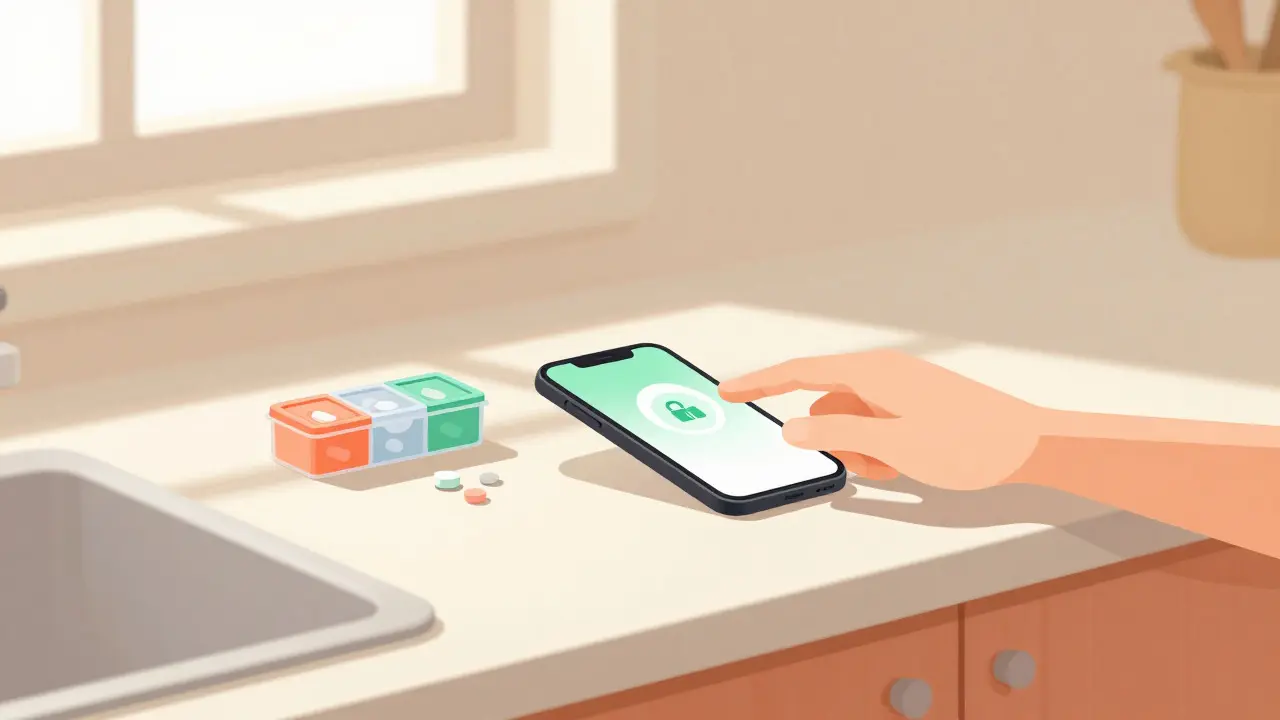
Technology is only part of the solution. The human element remains crucial. If you miss a reminder, don’t panic. Have a backup plan. Keep a small pill organizer visible in your kitchen or bathroom. Visual cues complement digital ones effectively.
Involve your support network. If you live with family or roommates, let them know about your reminder system. They can provide gentle verbal prompts if they notice you haven’t taken your meds. Social accountability reinforces digital tools.
Finally, review your system regularly. Every three months, assess whether your reminders are still helping. Are you taking your meds on time? If yes, keep going. If no, adjust the timing, change the wording, or switch platforms. Flexibility ensures long-term success.
Future Trends in Digital Adherence
The landscape of medication reminders is evolving. We are moving beyond simple texts toward AI-driven systems that predict non-adherence risk based on refill patterns and behavior. By 2027, analysts predict that 65% of health systems will incorporate predictive adherence tools. These systems won’t just remind you; they will anticipate when you might struggle and offer targeted support.
Hybrid approaches are gaining traction. Combining text messages with other interventions-like telehealth check-ins or wearable device data-creates a more robust safety net. For example, a smart pill bottle that syncs with your phone can confirm ingestion, sending a follow-up text only if the lid hasn’t opened. This reduces false positives and keeps notifications meaningful.
While technology advances, the core principle remains unchanged: consistency saves lives. Whether you use a basic alarm, a sophisticated app, or a clinic-provided SMS service, the goal is the same-to make taking your medication as automatic as breathing. Start simple, personalize your approach, and stay engaged with your health journey.
Are text message reminders covered by insurance?
Coverage varies. Many healthcare providers include SMS reminders as part of standard care coordination, especially for chronic conditions. Some insurance plans may cover dedicated medication apps if prescribed by a doctor. Check with your insurer or ask your pharmacist if there are free resources available through your health system.
What if I don’t have a smartphone?
You do not need a smartphone for basic SMS reminders. Any mobile phone capable of receiving texts can receive medication alerts. Healthcare-provided SMS services typically work on all devices. If you prefer apps, many have lightweight versions compatible with older phones, though functionality may be limited.
How often should I receive medication reminders?
Frequency depends on your regimen. For daily medications, one reminder per dose is usually sufficient. Studies suggest daily texts are most effective for chronic conditions. Avoid multiple reminders for the same dose, as this leads to fatigue. If you miss a dose, a single follow-up reminder within an hour is helpful.
Can text reminders replace talking to my doctor?
No. Text reminders are a tool to support adherence, not a substitute for professional medical advice. Always consult your doctor for changes in dosage, side effects, or treatment plans. Use reminders to stay on track between appointments, and bring your adherence logs to discuss with your provider.
What should I do if I keep missing my reminders?
If you consistently miss reminders, reassess your setup. Adjust the timing to match your actual routine. Simplify your medication schedule if possible (ask your doctor about combination pills). Consider adding visual cues like a pill organizer. If fatigue sets in, try varying the message content or switching to a different platform like an app with interactive features.