FDA Alert Subscription Advisor
Tip: Specificity prevents "notification fatigue." Avoid vague terms like "health" or "medicine."
Example: Instead of "Device", use "Insulin Pump".
Imagine waking up to find that a medical device you use daily or a food item in your pantry has been recalled due to a critical safety flaw. For most people, this news comes from a random social media post or a news clip days after the fact. But it doesn't have to be that way. The FDA Safety Communications is a comprehensive notification ecosystem designed by the U.S. Food and Drug Administration to push urgent safety data directly to the people who need it most. Whether you are a patient with a severe peanut allergy, a doctor managing a clinic, or a manufacturer tracking industry trends, these tools ensure you aren't the last to know about a risk.
The different types of FDA alerts
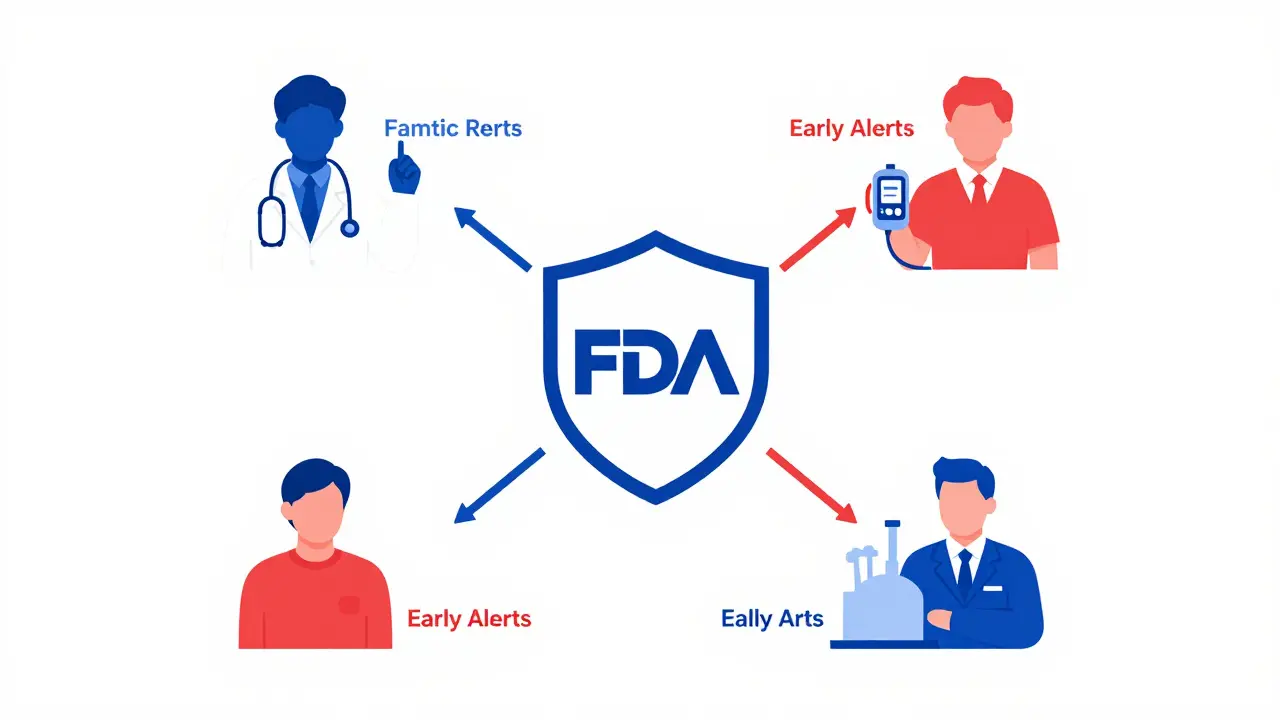
Not all alerts are created equal. Depending on what you're tracking, you might need a different subscription channel. The FDA uses a multi-tiered approach to make sure the right information reaches the right person without clogging your inbox with irrelevant data.
First, there is the Enforcement Report Subscription Service. This is the "catch-all" system. It covers recalls across all FDA-regulated product categories, from cosmetics to complex medical machinery. It's perfect for general consumers or industry professionals who need a broad view of regulatory actions.
Then we have the specialized channels. The Medical Device Safety Communications system is tailored for healthcare providers and patients. In 2022, the Center for Devices and Radiological Health (CDRH) issued 45 of these, ranging from formal safety communications to direct letters sent to healthcare providers. If you use a pacemaker, an insulin pump, or any other implanted device, this is your primary lifeline.
The newest and perhaps most critical addition is the Early Alert Communications Program. Expanded in September 2025 to cover all medical devices, this program doesn't wait for a formal recall process to finish. Instead, it warns the public about high-risk issues *before* they are officially classified as recalls. It provides immediate "what to do" instructions that mimic the urgent notices companies send to their own customers, potentially saving lives by cutting down the gap between FDA awareness and public action.
How to set up your personalized alert system
Subscribing isn't a one-size-fits-all process. To avoid "notification fatigue," the FDA allows you to customize what you see. Here is how to handle the different subscription paths:
For General Recalls (Keyword-Based):
- Visit the FDA.gov website and navigate to the Enforcement Report Subscription section.
- Enter your email address.
- Select up to five custom keywords. This is the secret to making the system work for you. For example, if you have a peanut allergy, use "peanut." If you are a diabetes patient, use "insulin." If you manage a supply chain for a specific component, enter that specific material name.
- Confirm your subscription via email.
For Medical Device Specifics:
- Locate the "Subscribe to Medical Device Safety and Recalls" link on the official FDA site.
- Choose your preference for email updates regarding recalls and safety communications.
- Because of the 2025 expansion, you will now receive alerts for all device types, moving beyond the initial pilot categories like cardiovascular or urology devices.
| Service | Best For | Key Feature | Alert Speed |
|---|---|---|---|
| Enforcement Report Service | General consumers & Industry | 5 Custom Keywords | Standard |
| Medical Device Communications | Patients & Doctors | Device-specific letters | Fast |
| Early Alert Program | High-risk device users | Pre-recall warnings | Immediate |
Why this matters for industry professionals
If you work in medical device manufacturing, these alerts aren't just "helpful tips"-they are a regulatory imperative. Monitoring these communications is a core part of postmarket surveillance. When the FDA issues a safety communication about a competitor's product, it's often an early warning sign that a similar design flaw might exist in your own portfolio.
By tracking these alerts, companies can proactively update their quality systems and risk assessments. This prevents the nightmare scenario where you're forced into a reactive recall because you ignored the signals the FDA was already broadcasting to the public. These communications provide a window into the FDA's current analysis of specific issues, essentially giving you a roadmap of what the agency is prioritizing in its inspections and audits.
The tech behind the alerts
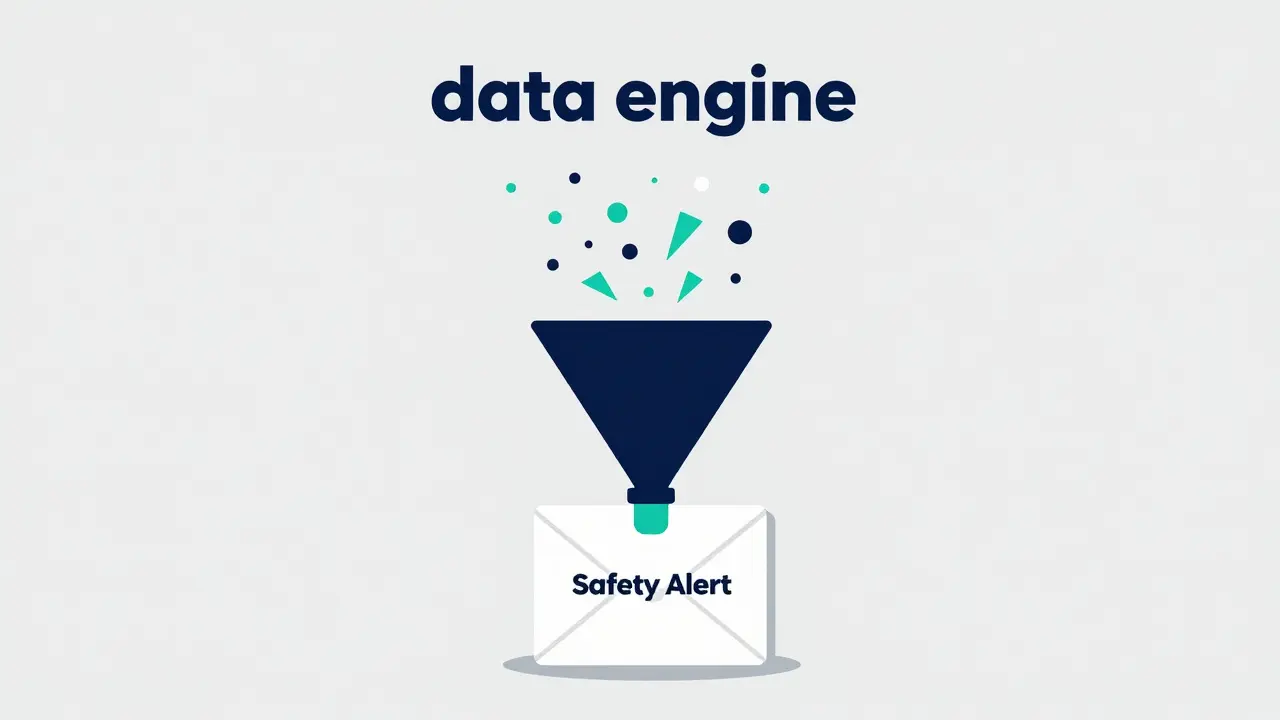
You might wonder where this information actually comes from. The alerts aren't just written by a few people in an office; they are the output of a massive data engine. The FDA integrates these communications with the FDA Adverse Event Reporting System (FAERS) and the Sentinel System. The latter is particularly impressive, as it monitors medication usage data from over 300 million people using electronic health records and insurance claims.
When the Sentinel System detects a statistical anomaly-like a sudden spike in a specific side effect-it triggers the process that eventually leads to a Safety Communication. The transition from "data signal" to "public alert" is what the Early Alert program aims to accelerate, ensuring that the public isn't waiting for a bureaucratic determination of a "regulatory violation" while a dangerous product remains in use.
Common pitfalls to avoid when subscribing
The biggest mistake people make is being too vague with their keywords. If you use a word like "health," you'll be flooded with a thousand emails a month and eventually start ignoring them. Be specific. Instead of "medicine," use "metformin." Instead of "device," use "pacemaker."
Another common error is subscribing with a corporate email that has an aggressive spam filter. Many FDA alerts are flagged as bulk mail because they are sent to thousands of people simultaneously. To ensure you actually see the alerts, add the FDA's notification address to your "Safe Senders" list or use a dedicated email account for regulatory monitoring.
How many keywords can I use in the Enforcement Report subscription?
You can use up to five custom keywords. These are matched against the recall reports, and if any of your chosen words appear, you'll receive an email notification.
What is the difference between a Safety Communication and an Early Alert?
A standard Safety Communication typically follows a formal regulatory process where the FDA has determined a product violates regulations. An Early Alert is a proactive warning about a high-risk issue that is released before a formal recall is finalized to protect the public faster.
Does the Early Alert program cover all medical devices?
Yes. While it started as a pilot program for specific categories (like cardiovascular and urology), it was expanded on September 29, 2025, to include all medical devices regulated by the FDA.
Who can I contact if I'm not receiving my alerts?
The FDA's Division of Industry and Consumer Education (DICE) provides support for subscribers who are experiencing technical issues with the notification system.
Are these alerts only for doctors?
Not at all. While there are specific letters for healthcare providers, the general subscription services are designed for patients, consumers, and industry stakeholders to ensure everyone has access to life-saving information.
Next steps for your safety strategy
If you've just signed up, don't stop there. Create a simple protocol for what happens when an alert hits your inbox. If you're a patient, have a list of your current medications and devices ready so you can quickly check if they match the alert. If you're a business owner, designate a specific person to review the alert and determine if it affects your current inventory or quality control processes.
For those in the medical field, consider integrating these alerts into your clinic's monthly safety review. Since the Early Alert program now covers all devices, there is no longer a reason to rely on manufacturer notifications alone; you can get the data directly from the source in real-time.