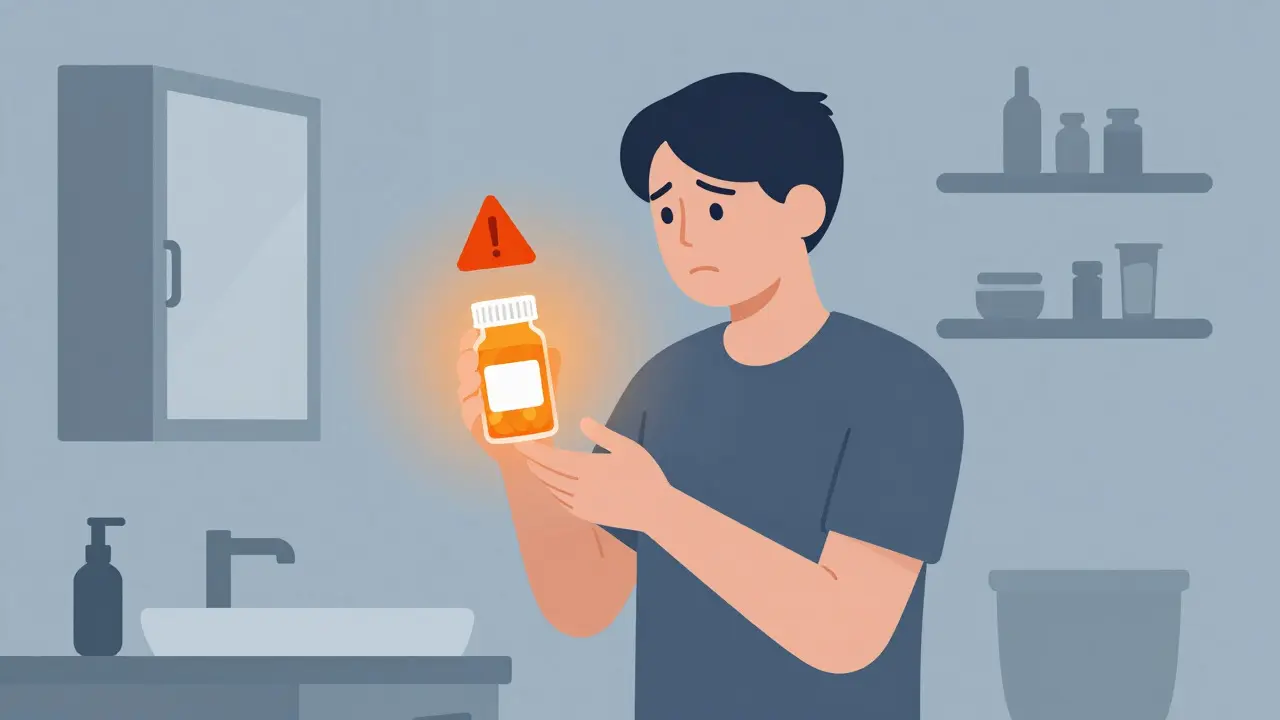
Imagine checking your medication cabinet only to find out later that the blood pressure pills you’ve been taking for months were recalled due to contamination. It’s a scary scenario, but it happens more often than you’d think. The good news? You don’t have to wait for bad news to break on social media or hear it from a friend. The U.S. Food and Drug Administration (FDA) sends out free, real-time alerts about drug recalls, safety warnings, and shortages. The problem isn’t the lack of information-it’s knowing exactly where to sign up.
If you’re a healthcare professional, a pharmacist, or just someone who wants to stay safe, subscribing to these alerts is one of the simplest ways to protect yourself. But here’s the catch: the FDA doesn’t have just one button to click. They have three different systems, each serving a slightly different purpose. This guide will walk you through exactly which one you need, how to set it up in under two minutes, and why getting this right matters more now than ever before.
Why You Need to Subscribe Now
We live in an age of instant information, yet many people remain unaware of critical drug safety issues until they are directly affected. The FDA’s alert systems aren’t just bureaucratic checkboxes; they are lifelines. According to data from the FDA’s 2023 Annual Report, these alert systems reached over 2.7 million subscribers by the end of last year. That’s a 47% jump from the previous year, showing that more people are waking up to the value of proactive safety monitoring.
Consider the 2018 valsartan crisis, where multiple blood pressure medications were contaminated with carcinogens. If you had been subscribed to the right alerts back then, you would have known immediately. Today, the stakes are just as high. With supply chain disruptions causing frequent drug shortages and manufacturing errors leading to recalls, staying informed is no longer optional for those managing chronic conditions. Dr. Janet Woodcock, former FDA Principal Deputy Commissioner, noted in a 2023 Health Affairs article that enhanced subscription services have cut the time between identifying a serious issue and notifying providers from 14 days to less than 48 hours. That speed can literally save lives.
The Three Main FDA Alert Systems Explained
To avoid confusion, let’s break down the three primary channels the FDA uses. You might not need all three, but understanding the difference ensures you get the right information without being overwhelmed by noise.
This is your go-to for product recalls. Launched in April 2021 and significantly upgraded in July 2022, this service notifies you when the FDA finds problems with food, drugs, medical devices, or cosmetics. What makes this unique is the ability to use custom keywords. For example, if you are allergic to peanuts, you can add "peanut" as a keyword. If you manage diabetes, you might add "insulin." You can set up to five keywords per account, making these alerts highly personalized rather than generic blasts.
MedWatch has been around since 1993, but it got a digital makeover in 2015. This system focuses on broader safety communications, including label changes and new safety risks that haven’t necessarily led to a full recall yet. You can subscribe via email (the MedWatch E-list), follow their Twitter account (@FDAMedWatch), or use an RSS feed if you prefer aggregators. It’s great for keeping a pulse on general trends in drug safety.
This is specifically for medication safety issues. It’s tailored more toward healthcare professionals and patients dealing with specific drug classes. Unlike the Enforcement Report, which is about recalls, DSCs often discuss emerging side effects or usage guidelines. Subscribing here ensures you see the deep-dive analyses that the FDA publishes when a drug shows unexpected behavior in the real world.
Step-by-Step: How to Subscribe to Each System
Let’s get practical. Here is exactly how to set up these subscriptions. The process is straightforward, but because the websites look similar, it’s easy to miss the right link. Follow these steps carefully.
Subscribing to the Enforcement Report
- Go to fda.gov/enforcement-report-subscription. This is the direct portal for recalls.
- Enter your email address. You’ll receive a confirmation link-check your spam folder if it doesn’t appear instantly.
- Select your product categories. Most people choose "Drugs," but if you care about supplements or medical devices, check those boxes too.
- Add your keywords. Remember, you get up to five. Think about what matters most to you: specific brand names, active ingredients, or allergy triggers.
- Choose your frequency: daily or weekly. Daily is best for acute concerns; weekly works well for general awareness.
Subscribing to MedWatch E-List
- Navigate to fda.gov/medwatch-email-list.
- Fill out the short form with your name and email.
- Confirm your subscription via the email link.
- Optional: Follow @FDAMedWatch on Twitter for faster, bite-sized updates.
Subscribing to Drug Safety Communications
- Visit fda.gov/drugs/drug-safety-and-availability/drug-safety-communications.
- Look for the "Sign up for email alerts" button, usually located near the top of the page or in the sidebar.
- Enter your details and confirm. This process takes about 90 seconds according to FDA usability tests.
FDA Alerts vs. Commercial Services: What’s the Difference?
You might wonder if you should pay for a commercial drug safety service instead. There are plenty of options like MedWatcher ($9.99/month) or First Databank’s Clinical Decision Support ($1,200/year for institutions). So, why stick with the FDA?
| Feature | FDA Alert Systems | Commercial Services (e.g., MedWatcher) |
|---|---|---|
| Cost | Free | $9.99/month - $1,200/year |
| Speed of Alerts | Average 4.2 hours after recall determination | Average 8.7 hours |
| Customization | Up to 5 keywords (expanding to 10 in late 2025) | Advanced filtering & risk assessment |
| Coverage | All FDA-regulated products (drugs, devices, food, cosmetics) | Mostly prescription drugs |
| Mobile App | No native app (scheduled for Q2 2025) | Yes, with push notifications |
The FDA wins on speed and cost. An independent study by the University of Michigan School of Public Health found that FDA alerts arrive significantly faster than most commercial competitors. However, commercial services offer better mobile integration and personalized risk assessments. If you are a hospital administrator, you might pay for both. For individual patients and small practices, the free FDA system is hard to beat, especially since it covers everything from insulin to infant formula.
Common Pitfalls and How to Avoid Them
Even though signing up is easy, many users struggle with how to use these tools effectively. Based on user feedback and FDA support data, here are the biggest mistakes people make:
- Alert Fatigue: Dr. Peter Lurie, President of the Center for Science in the Public Interest, criticized the current system for failing to prioritize critical issues, leading to "alert fatigue." If you get too many emails, you start ignoring them. To fix this, be ruthless with your keywords. Only add terms that genuinely affect your health or practice. Don’t subscribe to "all drugs" unless you work in a large pharmacy.
- Confusing Recalls with Safety Warnings: Many users think one subscription covers everything. It doesn’t. The Enforcement Report is for recalls (products pulled from shelves). Drug Safety Communications are for warnings (products still on shelves but risky). Subscribe to both if you want complete coverage.
- Ignoring Non-English Options: Currently, only 12% of alerts reach non-English speakers, despite 22% of the U.S. population needing them. The FDA plans to roll out Spanish-language alerts in Q3 2025. Until then, English-speaking family members or community health workers may need to help translate critical updates.

What’s Coming Next in 2026?
The FDA isn’t standing still. Recognizing the limitations of their current fragmented system, they announced a major integration plan in November 2023. By Q3 2025, they aim to merge the three separate alert systems into a unified platform powered by machine learning. This means smarter prioritization-you’ll see life-threatening recalls first, and minor cosmetic issues later.
Additionally, a mobile app is scheduled for release in Q2 2025, addressing the #1 complaint from users: the lack of push notifications. The keyword limit is also expanding from five to ten per account by December 2025. These changes suggest that the future of drug safety monitoring will be more intuitive and accessible. For now, however, you still need to manually subscribe to each channel to ensure you don’t miss anything during the transition period.
Final Thoughts on Staying Safe
Subscribing to FDA drug safety alerts is a small step with a massive payoff. It takes less than five minutes to set up, costs nothing, and provides a layer of protection that money can’t buy elsewhere. Whether you are managing your own health or overseeing a clinical team, these alerts give you the power to act fast when things go wrong. Don’t wait for a crisis to force your hand. Take control of your health information today by setting up these subscriptions. Your future self will thank you.
Is it free to subscribe to FDA drug safety alerts?
Yes, all three FDA alert systems (Enforcement Report, MedWatch, and Drug Safety Communications) are completely free. They require only an email address to subscribe and operate on secure government infrastructure.
How quickly does the FDA send out recall alerts?
According to a 2023 University of Michigan study, FDA alerts are typically issued within 4.2 hours of a recall determination, which is significantly faster than most commercial alternatives.
Can I customize which drugs I get alerts for?
Yes, the Enforcement Report Subscription Service allows you to set up to five custom keywords (expanding to ten in late 2025). You can enter specific drug names, ingredients, or allergy triggers to filter alerts.
What is the difference between MedWatch and Drug Safety Communications?
MedWatch covers broad safety issues, label changes, and device alerts, while Drug Safety Communications focuses specifically on emerging safety risks for medications that may not yet result in a recall. Both are valuable for comprehensive monitoring.
Will there be a mobile app for FDA alerts?
Yes, the FDA has scheduled the release of a dedicated mobile app with push notification capabilities for Q2 2025. This aims to address user complaints about the lack of immediate mobile access to alerts.
Are FDA alerts available in languages other than English?
Currently, most alerts are in English. However, the FDA plans to implement Spanish-language alerts in Q3 2025 as part of their Language Access Plan to better serve the diverse U.S. population.