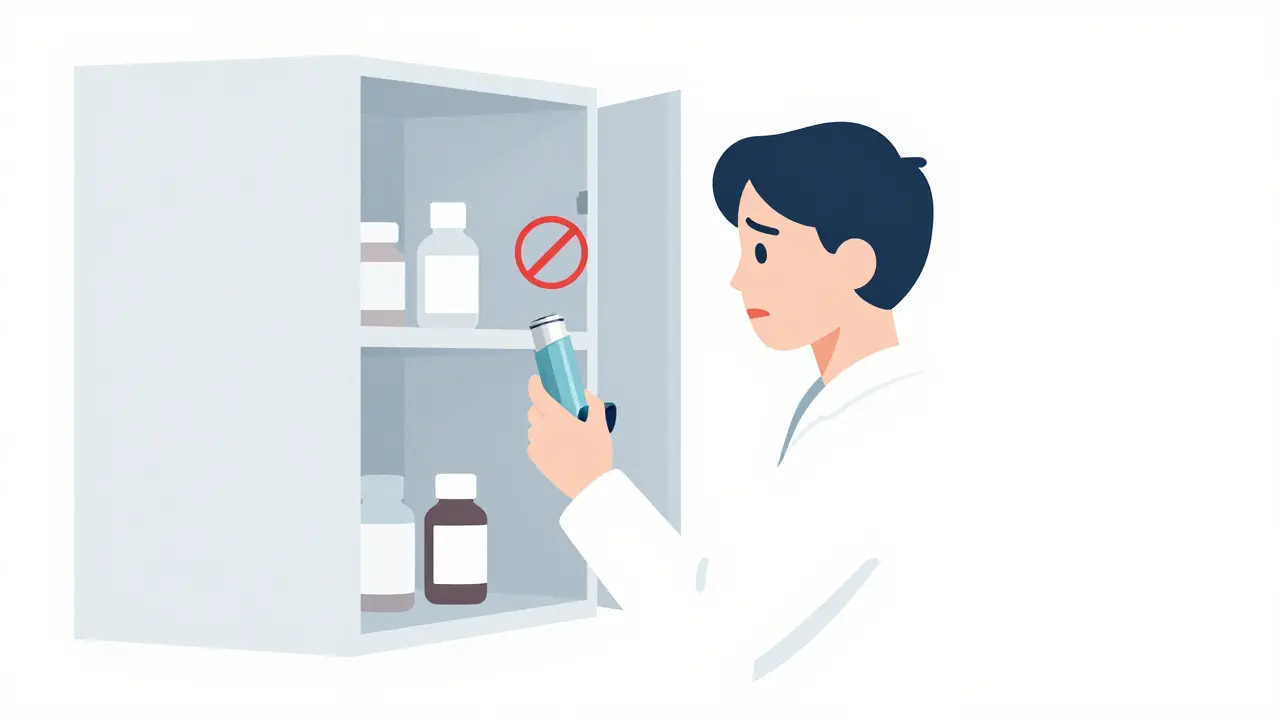
Imagine reaching for your asthma inhaler during an attack, only to realize it expired six months ago. Or worse, injecting insulin that has lost its potency, leading to dangerous blood sugar spikes. These aren't just hypothetical nightmares; they are real risks faced by thousands of Americans every year. With 50.5% of American adults using at least one prescription medication in any given month, managing what’s in your medicine cabinet is no longer optional-it’s a critical part of staying healthy.
You might think that if a pill looks fine, it’s safe to take. But appearance doesn’t tell the whole story. The U.S. Food and Drug Administration (FDA) defines expiration dates as the period during which a product retains its full strength, quality, and purity when stored under specific conditions. Ignoring these dates can lead to ineffective treatment or, in rare cases, toxic breakdown products. Creating a medication expiration review schedule is the simplest way to ensure you’re getting the care you paid for, without risking your health or wasting money on drugs that don’t work.
Why Expiration Dates Matter More Than You Think
It’s easy to shrug off an expiration date, especially when studies like the one published in Mayo Clinic Proceedings suggest that 90% of drugs remain effective years past their labeled date. However, those studies relied on ideal, controlled storage conditions-something most home bathrooms cannot replicate. Heat, humidity, and light accelerate chemical degradation. For instance, storing nitroglycerin or insulin in a hot car or a steamy bathroom can render them useless long before the printed date.
The stakes are highest with certain high-risk medications. A 2020 study from the National Institutes of Health (NIH) highlighted that liquid antibiotics, insulin, and nitroglycerin degrade rapidly once they pass their expiration window. Taking degraded insulin can result in uncontrolled hyperglycemia, while an expired epinephrine auto-injector might fail to stop a life-threatening allergic reaction. The FDA estimates that proper medication management could prevent up to 125,000 deaths annually related to improper use. That’s not just about taking the wrong dose; it’s about taking a drug that no longer works.
Furthermore, there’s the financial angle. According to a Kaiser Family Foundation survey, patients discard $7.2 billion worth of unexpired medications annually due to confusion over expiration rules. By implementing a clear review schedule, you stop throwing away good meds and avoid buying replacements for ones you forgot you had.
Building Your Review Schedule: Frequency and Scope
Creating a system doesn’t require complex software, though it helps. The key is consistency. The Agency for Healthcare Research and Quality (AHRQ) recommends a tiered approach based on how sensitive your medications are to time and storage.
- Monthly Reviews: Essential for refrigerated medications like insulin, certain eye drops, and liquid antibiotics. Temperature fluctuations in home fridges are common, so checking these frequently ensures they haven’t been compromised.
- Quarterly Reviews: Suitable for most room-temperature solid doses (pills, capsules) and topical creams. This aligns with typical refill cycles for many chronic conditions.
- Semi-Annual Reviews: Appropriate for emergency medications stored properly, such as epinephrine auto-injectors or nitroglycerin, provided they are kept in stable, cool environments.
- Weekly Checks: Recommended specifically for high-risk items like insulin pens or vials currently in use, to ensure immediate efficacy.
For healthcare facilities, the American Society of Health-System Pharmacists (ASHP) mandates monthly inventory checks. For home users, aiming for a quarterly deep dive with weekly spot-checks of critical meds strikes a practical balance. Start by gathering all medications from every drawer, cabinet, and purse in your house. If you can’t find the original bottle, check the pharmacy label or the box it came in. Note the National Drug Code (NDC), lot number, and expiration date. If a medication lacks an expiration date-common with some older over-the-counter items or compounded drugs-consult your pharmacist immediately.
Tools and Techniques for Tracking
You don’t need to be a tech whiz to manage this. In fact, simplicity often leads to better adherence. Here are three proven methods to keep track:
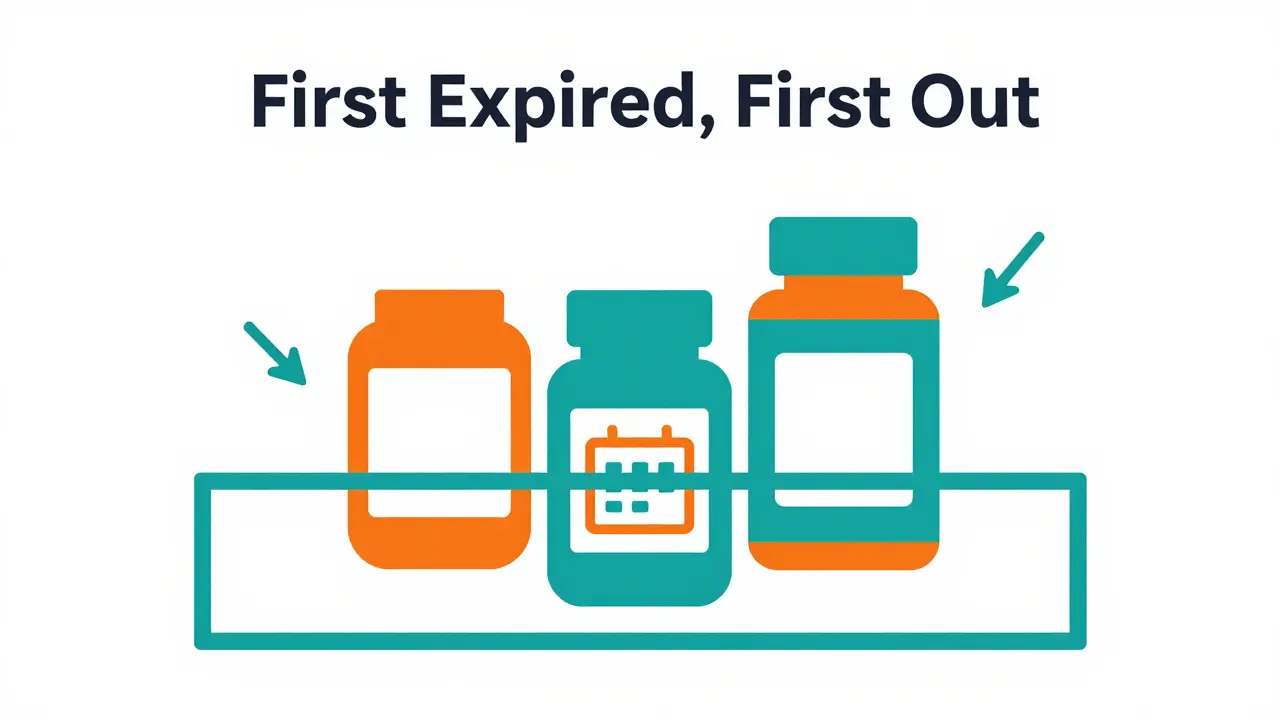
- The "First Expired, First Out" (FEFO) Method: This is a simple organizational trick used in pharmacies. When you get a new prescription, place it behind older stock of the same medication. Visually, this means putting newer bottles at the back of the shelf and older ones at the front. It naturally forces you to use the older medication first, reducing the chance of it expiring unused.
- Digital Apps: Smartphone apps like Medisafe allow you to scan barcodes or manually input expiration dates. These apps send push notifications when a med is nearing its end-of-life. A case study by CVS Health showed a 37.2% reduction in expired medication incidents among users of similar tracking tools. While free versions exist, premium features (around $4.99/month) often include family sharing and more robust alerts.
- Paper Logs: For those who prefer analog, a simple spreadsheet or a dedicated notebook works wonders. List each medication, its quantity, where it’s stored, and its expiration date. Color-code entries: red for expiring within 3 months, yellow for 6 months, green for beyond. Update this log every time you refill or dispose of a drug.
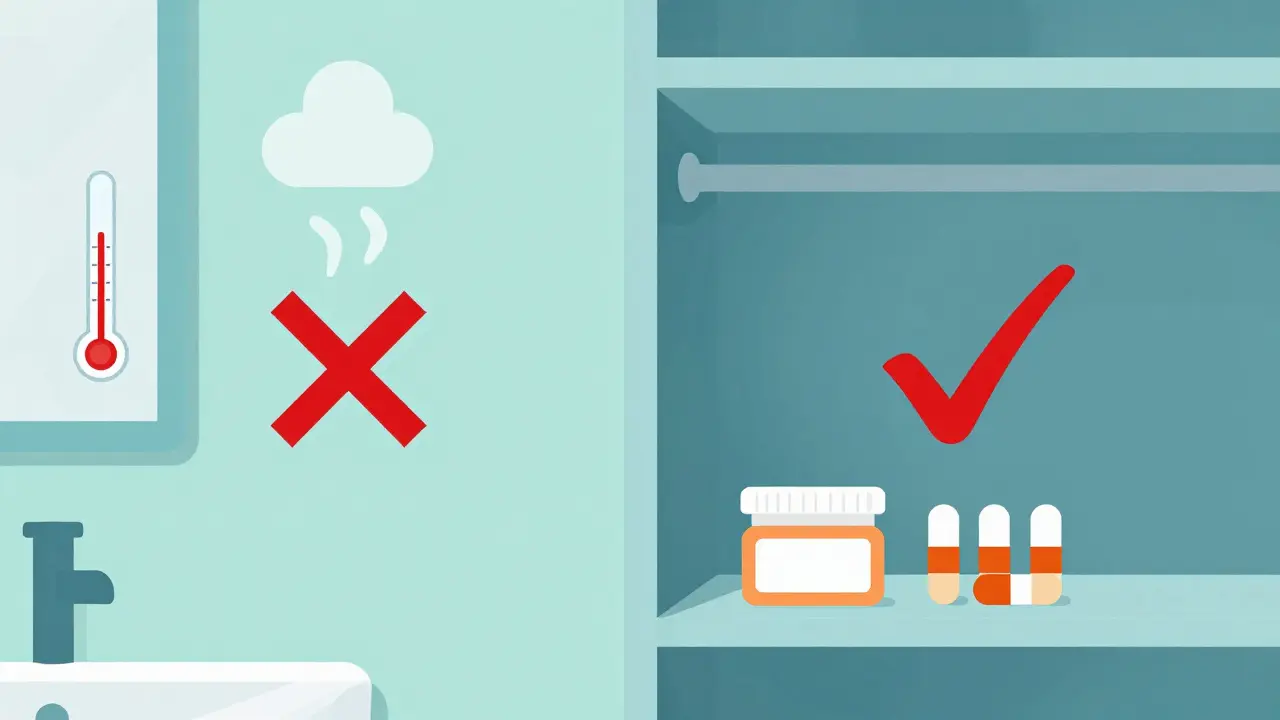
Regardless of the tool, the goal is visibility. Hidden medications in obscure cabinets are forgotten medications. Keep your active supply in one central location, ideally a cool, dry place away from direct sunlight. Avoid the bathroom cabinet-the humidity from showers accelerates degradation.
Understanding Storage Conditions and Beyond Use Dates
Expiration dates assume ideal storage. If you store pills in a hot glove compartment or a humid bathroom, their actual shelf life may be shorter than labeled. The FDA specifies that room temperature storage is between 20°C-25°C (68°F-77°F). Refrigerated meds should be kept at 2°C-8°C (36°F-46°F). Always check the label for specific instructions. Some medications, like certain inhalers, can freeze and become ineffective if exposed to cold temperatures during transport.
If you use a compounding pharmacy, you’ll encounter Beyond Use Dates (BUDs). Unlike manufacturer expiration dates, BUDs are assigned by the pharmacist based on stability data. Under USP Chapter <797>, non-sterile compounded medications typically have a BUD of 180 days if stored at room temperature. Sterile preparations often have much shorter windows, sometimes just 24 hours to 14 days depending on the formulation. Never guess these dates; ask your pharmacist explicitly when picking up compounded prescriptions.
Safe Disposal: Don’t Flush or Trash Carelessly
Once a medication expires, it needs to go. But simply tossing it in the trash isn’t always safe, especially for opioids or other controlled substances. Flushing medications is generally discouraged unless specifically instructed on the label (e.g., some potent painkillers), as it contaminates water supplies. Instead, utilize take-back programs.
The Drug Enforcement Administration (DEA) hosts National Prescription Drug Take Back Days twice a year, but many local pharmacies and police departments offer permanent drop-off boxes. Programs like MedSafe provide secure disposal options. If no take-back site is available, mix the medications with an unappealing substance like used coffee grounds or cat litter, seal them in a container, and throw them in the household trash. Remove or scratch out personal information from the prescription labels before disposing of containers.
Common Pitfalls and How to Avoid Them
Even with the best intentions, mistakes happen. A Pharmacy Times survey found that 68.3% of patients have taken expired meds at least once, often because the pill looked normal. To avoid this:
- Don’t rely on smell or look: Chemical degradation isn’t always visible. A pill can crumble or change color slightly, but subtle changes in potency are invisible.
- Clarify "Manufacture Date" vs. "Expiration Date": Confusion here causes 22.4% of pharmacy callback inquiries. The manufacture date is when it was made; the expiration date is when it stops being guaranteed effective. Always look for "EXP" or "Expires."
- Check repackaged meds: If your pharmacy dispenses pills in amber vials rather than original packaging, the expiration date printed on the vial is the one that matters. Repackaged meds typically maintain effectiveness for one year from the fill date if stored correctly.
- Update after travel: Travel disrupts routines. Before and after trips, do a quick sweep of your medication bag to ensure nothing was left behind or exposed to extreme temperatures.
Implementing a medication expiration review schedule takes about 45-60 minutes initially, then just 10-15 minutes per review cycle. It’s a small investment for peace of mind. By knowing exactly what you have, when it expires, and how to store it safely, you protect your health, save money, and reduce waste. Start today by clearing out your medicine cabinet-you’ll be surprised what you find.
Is it safe to take medication one day past its expiration date?
While many solid-dose medications may retain potency for a short time past expiration, it is not recommended. The FDA advises against using any medication past its labeled date because potency cannot be guaranteed. For critical medications like insulin, nitroglycerin, or liquid antibiotics, even a slight loss of potency can have serious health consequences. Always consult your pharmacist before using expired drugs.
How often should I check my medication expiration dates?
The frequency depends on the type of medication. Refrigerated meds like insulin should be checked monthly. Room-temperature pills and creams should be reviewed quarterly. Emergency meds like epinephrine auto-injectors can be checked semi-annually if stored properly. High-risk items in current use, such as insulin pens, benefit from weekly checks.
What is the difference between an expiration date and a Beyond Use Date (BUD)?
An expiration date is set by the manufacturer based on stability testing for the original packaged product. A Beyond Use Date (BUD) is assigned by a pharmacist for compounded medications or when drugs are repackaged into different containers. BUDs are often shorter than manufacturer expiration dates and depend on storage conditions and formulation stability.
Can I store medications in my bathroom cabinet?
No, it is not recommended. Bathrooms experience frequent temperature fluctuations and high humidity from showers, which can accelerate medication degradation. Store medications in a cool, dry place away from direct sunlight, such as a bedroom closet or a dedicated medicine cabinet in a hallway.
How should I dispose of expired medications safely?
The safest method is to use a drug take-back program at a local pharmacy, hospital, or law enforcement agency. If no take-back site is available, mix the medications with an unappealing substance like used coffee grounds or cat litter, seal them in a container, and dispose of them in the household trash. Do not flush medications unless the label specifically instructs you to do so.
Are there any medications that lose potency faster than others?
Yes, certain medications are more unstable. Liquid antibiotics, insulin, nitroglycerin, and epinephrine auto-injectors are known to degrade more rapidly, especially when exposed to heat or humidity. These high-risk medications require stricter monitoring and more frequent expiration checks compared to standard solid-dose pills.
Does the Shelf Life Extension Program (SLEP) apply to my home medications?
No, the SLEP applies only to military stockpiled medications stored under strict, controlled conditions. Individual consumers cannot replicate these ideal storage environments in their homes. Therefore, you should always adhere to the labeled expiration dates on your personal medications to ensure safety and efficacy.