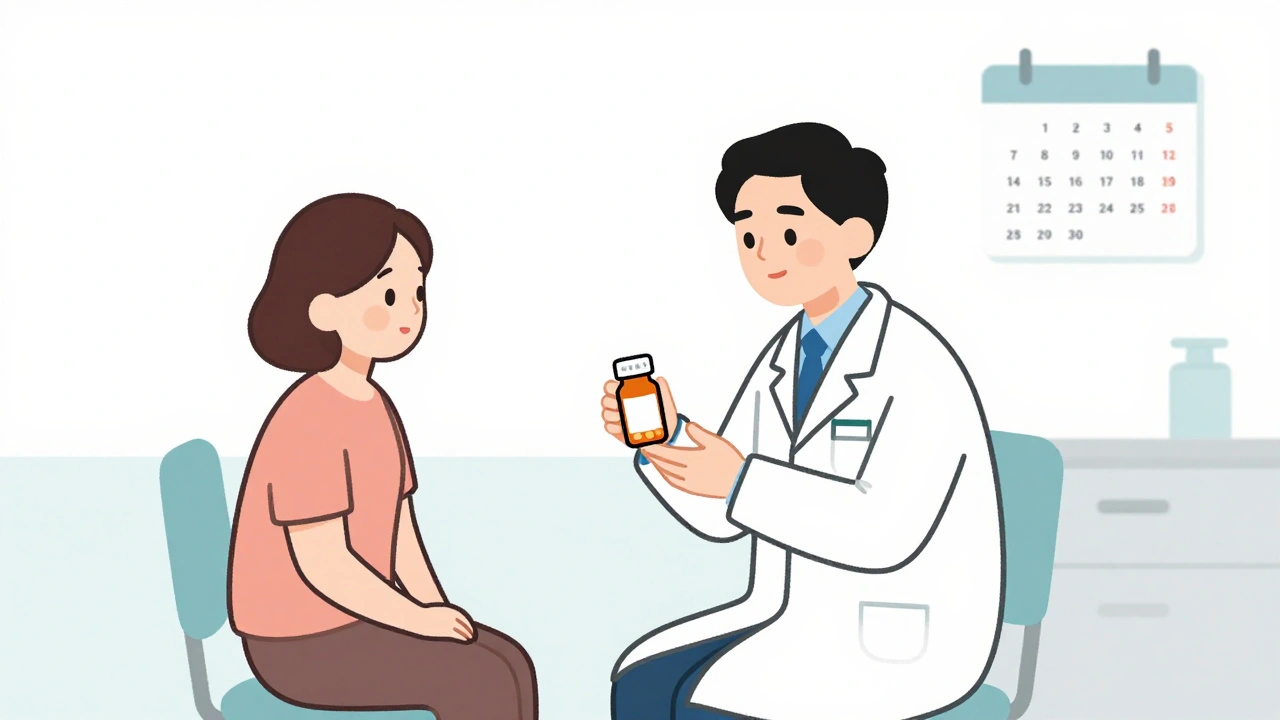
When a doctor hands you a prescription, it’s not just about the pills. It’s about medication communication-the real conversation that happens before you walk out the door. Too often, patients leave with a bag of meds but no clear idea of what they’re for, when to take them, or what to expect. That’s not just confusing-it’s dangerous. Half of all people with chronic conditions don’t take their meds as prescribed, and poor communication is one of the biggest reasons why.
Why Clear Medication Communication Matters
It’s not just about remembering to take a pill. It’s about understanding why. If you don’t know what the medication is supposed to do, or how long it’ll take to work, you’re more likely to stop taking it. Maybe you feel fine after a few days and think, “It’s not doing anything.” Or maybe you get dizzy and panic, thinking it’s dangerous. Both are common reactions-and both are often caused by a lack of clear, simple information. The cost of this gap is huge. In the U.S. alone, medication nonadherence costs the healthcare system $300 billion every year. That’s not just money-it’s hospital visits, emergency care, and preventable complications. But here’s the good news: simple, evidence-based communication techniques can boost adherence by up to 23%.The Teach-Back Method: Your Most Powerful Tool
The most proven way to check if a patient really understands their medication is called Teach-Back. It’s not about testing them. It’s about listening. Instead of asking, “Do you understand?”-which almost everyone says yes to, even if they don’t-say: “To make sure I explained this right, can you tell me in your own words how you’ll take this medicine?” A patient might say: “I take the blue pill when I wake up and the white one at night.” That’s good. But if they say, “I take it when I feel bad,” that’s a red flag. Now you know exactly where the misunderstanding is-and you can fix it right then. Studies show this method works. In one trial with 1,200 patients, using Teach-Back increased 30-day adherence from 62% to 84%. That’s not magic. It’s clarity.Plain Language, Not Medical Jargon
Avoid phrases like “Take PO BID” or “Take as directed.” Those terms mean nothing to most people. Instead, say:- “Take one pill when you wake up and one when you go to bed.”
- “This medicine helps lower your blood pressure so your heart doesn’t have to work so hard.”
- “You might feel a little dizzy for the first week. That’s normal. If it gets worse, call us.”
Set Realistic Expectations
Patients often stop taking meds because they expect instant results. Blood pressure meds? They don’t make you feel different. Diabetes meds? You might not notice a change in how you feel. But that doesn’t mean they’re not working. Say this: “Most people start to see results in 2 to 3 weeks. You might not feel different, but your numbers will improve. That’s the goal.” For medications that cause side effects, name them upfront. “Some people get a dry cough with this. It’s not dangerous, but if it bothers you, let us know. We can switch you.”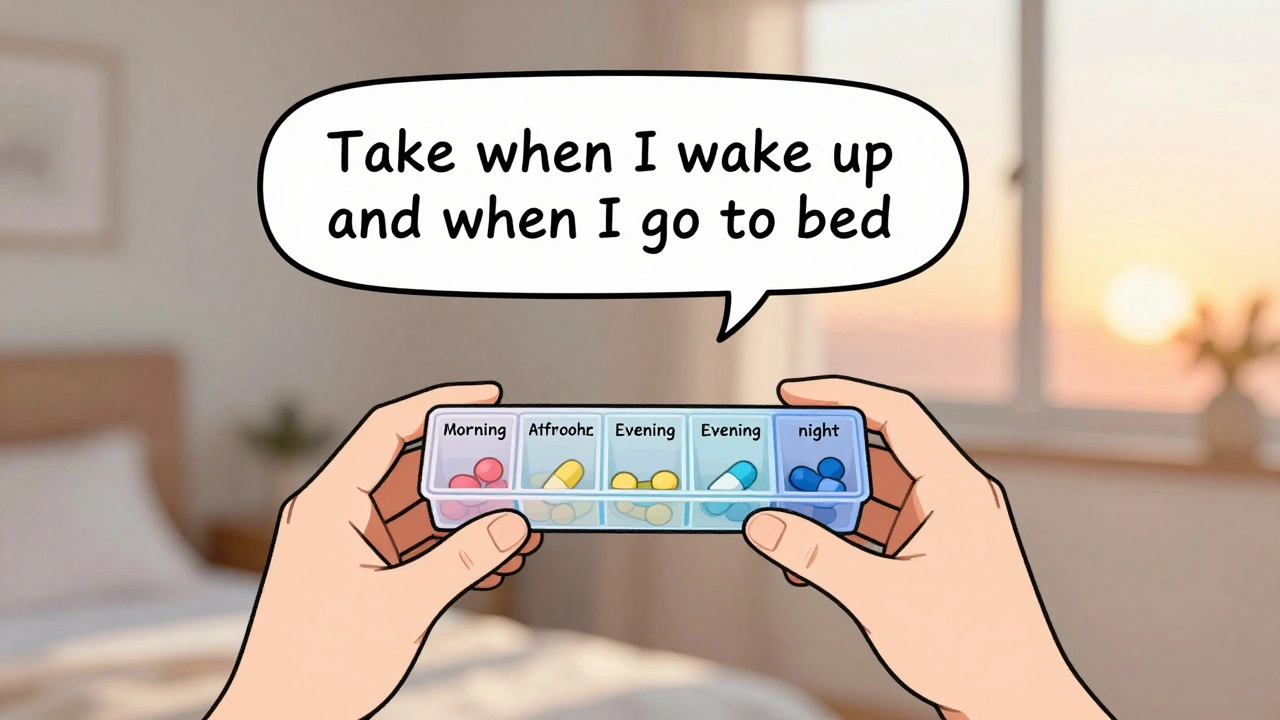
Use Visuals and Tools
A picture is worth a thousand words-especially when it comes to pills. Show the patient the actual pill bottle. Point to each pill. Say: “This is your morning pill. This is your night pill. This one is only if your pain is worse than usual.” Use a pill organizer. Draw a simple chart: “Sun-1 pill, Mon-1 pill, Tue-1 pill…” For inhalers, injectables, or complex devices, have the patient demonstrate how they’ll use it before they leave. “Can you show me how you’d use your inhaler?” If they fumble, you fix it. No guesswork.Ask, Don’t Assume
Before you explain anything, ask: “What’s your doctor told you about this medicine so far?” This does two things. First, it shows you care about what they already know. Second, it reveals myths or misunderstandings. Maybe they think the pill is for weight loss. Or they’re scared it’ll make them addicted. You can’t fix what you don’t know is broken.Time Is Short-But You Can Still Do It Right
Primary care visits average just under 16 minutes. That’s not a lot of time. But you don’t need more time-you need better structure. Use the “Chunk and Check” method: Say two or three key points. Then stop. Ask them to repeat it back. Then move on. This keeps the brain from getting overloaded. Research shows patients remember only 49% of what they hear in a typical visit. Chunking improves that to 79%. If the regimen is complex-five or more meds-refer them to a pharmacist. Pharmacists are trained for this. Studies show pharmacist-led reviews cut hospital admissions by 22% for patients on multiple medications.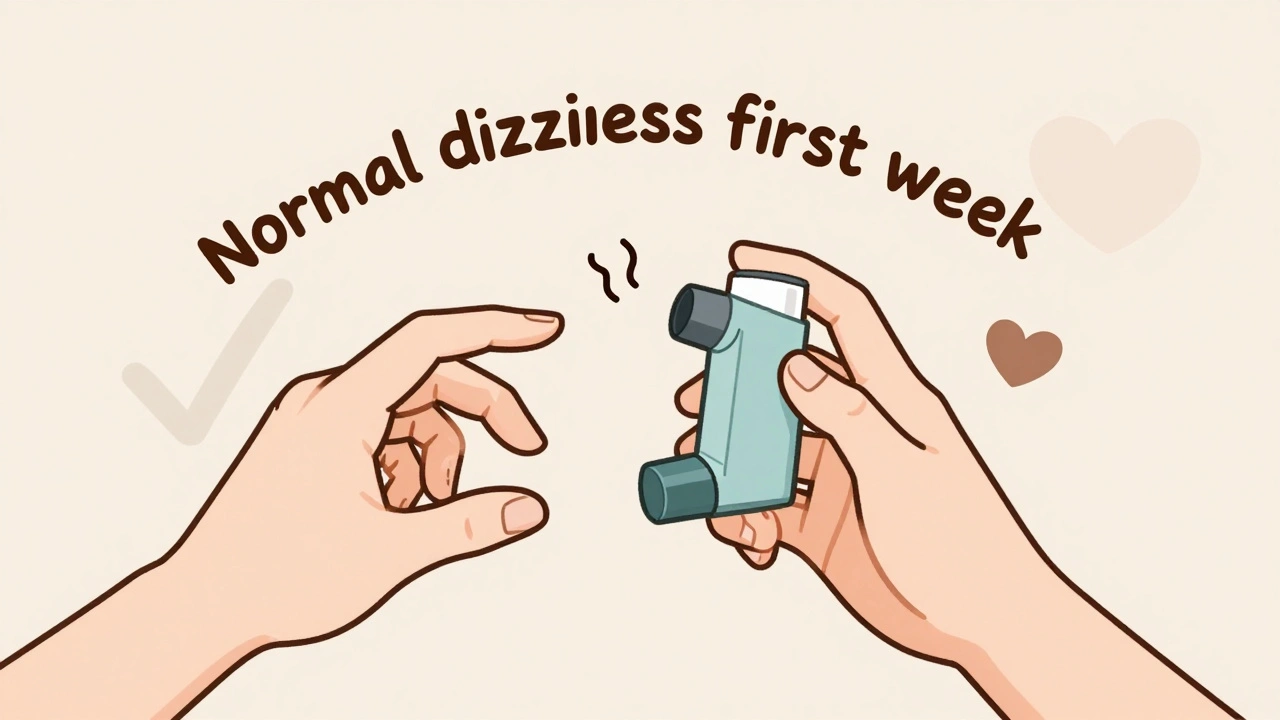
What Not to Do
Don’t say:- “Just take it as directed.”
- “It’s important you don’t skip doses.” (Why? What happens if you do?)
- “You’ll be fine.” (That dismisses real fears.)
- “This is standard.” (Standard for whom? For you? For your last patient?)
What Patients Really Say
In patient surveys, 78% of those who felt they truly understood their meds said their provider used examples they could relate to. One patient said: “My doctor drew a picture of how the medicine worked in my body.” Another: “The nurse had me show how I’d use my inhaler before I left.” That’s the difference. On the flip side, 63% of patients said they didn’t feel they could ask questions because the provider seemed rushed. That’s not about time. It’s about presence.The Future Is Here
Health systems are starting to use digital tools to reinforce what’s said in person. Automated texts now say: “Remember, dizziness is normal the first week. Call us if it gets worse.” Electronic health records now include fields to document medication discussions. Starting in 2025, Medicare will tie provider payments to how well they document patient understanding of meds. AI tools are even being tested to listen in on conversations and flag missed Teach-Back moments. But no tech replaces a human voice that says: “Tell me how you’ll take this.”Final Thought: Communication Is the Treatment
Medication doesn’t work if it’s not taken. And it won’t be taken if the patient doesn’t understand why, how, or what to expect. Clear communication isn’t a bonus. It’s part of the prescription. You don’t need fancy tools. You need to slow down. Speak plainly. Listen closely. And always, always ask them to repeat it back. That’s how you turn a prescription into a plan. And a plan into results.What is the Teach-Back method and why is it important?
The Teach-Back method is when you ask a patient to explain, in their own words, how they’ll take their medication. It’s not a test-it’s a check for understanding. Studies show it increases medication adherence by 23% because it catches misunderstandings before the patient leaves the office. Saying “Do you understand?” often gets a false yes. Teach-Back gives you real feedback.
How can I explain medication side effects without scaring patients?
Name the side effect, say how common it is, and tell them what to do. For example: “About 1 in 5 people feel a little dizzy the first week. It usually goes away. If it gets worse or you feel faint, call us. Don’t stop the medicine unless we say so.” This normalizes the experience and gives them a clear next step.
What should I do if a patient says they can’t afford their meds?
Don’t ignore it. Say: “Let’s talk about this.” Many patients won’t bring it up unless asked. Work with a pharmacist or social worker to find lower-cost options, patient assistance programs, or generic alternatives. A medication that’s not taken because of cost is no medication at all.
Why is it better to say “take one pill when you wake up” instead of “take twice daily”?
“Twice daily” doesn’t tell someone when. Do they take it at breakfast and dinner? At 8 a.m. and 8 p.m.? People’s routines vary. Saying “when you wake up and when you go to bed” ties the pill to a daily habit they already do. That makes it easier to remember and stick to.
How do I handle patients who stop taking their meds because they feel fine?
Acknowledge their feeling: “It’s great you’re feeling better.” Then explain: “That’s actually because the medicine is working. If you stop, the symptoms could come back. This isn’t like an antibiotic where you feel better and stop. This keeps your numbers in range.” Use numbers: “Your blood pressure is 120/80 now because of this pill. Without it, it goes back to 150/95.”
Can I use visual aids even if I don’t have time to draw pictures?
Yes. Most clinics have printed pill schedules or apps that show medication timing. Use a whiteboard. Point to the bottle. Use your fingers to count pills. Even a simple hand gesture-like miming swallowing a pill at breakfast-can help. Visuals don’t need to be fancy. They just need to be clear.
What’s the biggest mistake providers make in medication communication?
Assuming the patient understands. The biggest mistake isn’t using jargon-it’s skipping the check. Even the clearest explanation fails if you don’t confirm the patient can repeat it back. Always ask: “Can you tell me how you’ll take this?” That one question changes everything.


Pavan Kankala
December 5, 2025 AT 08:28