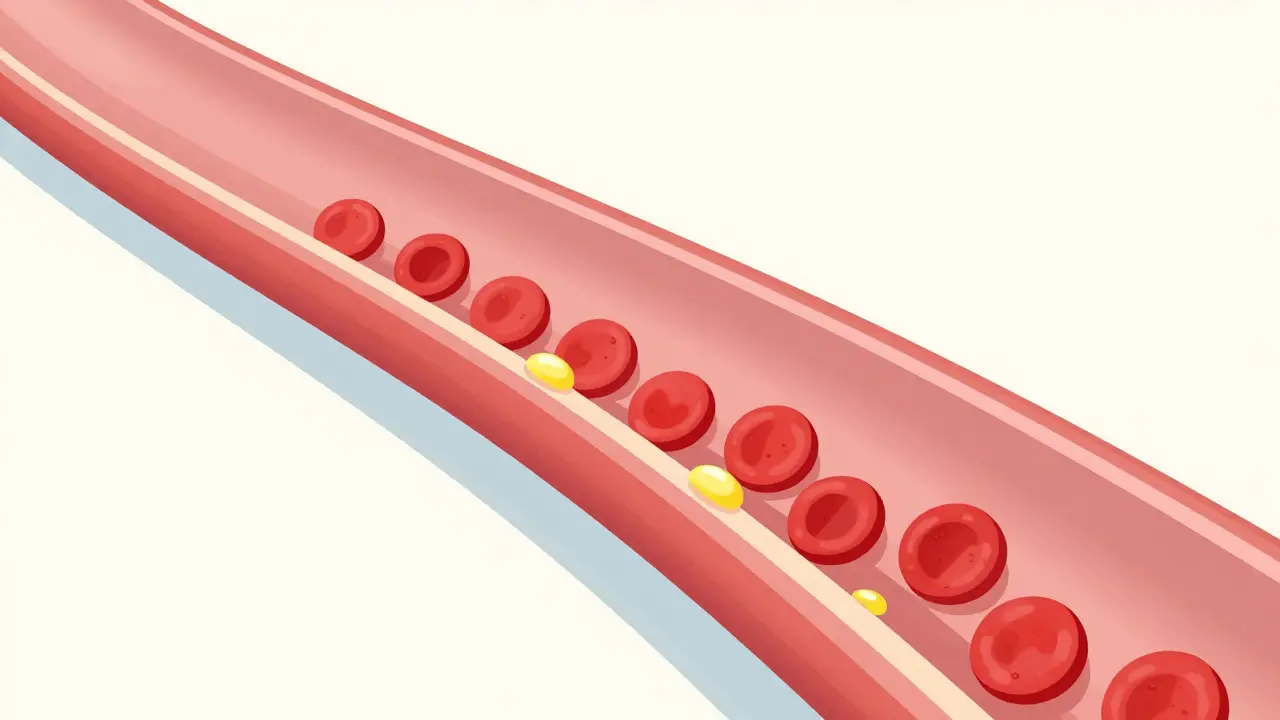
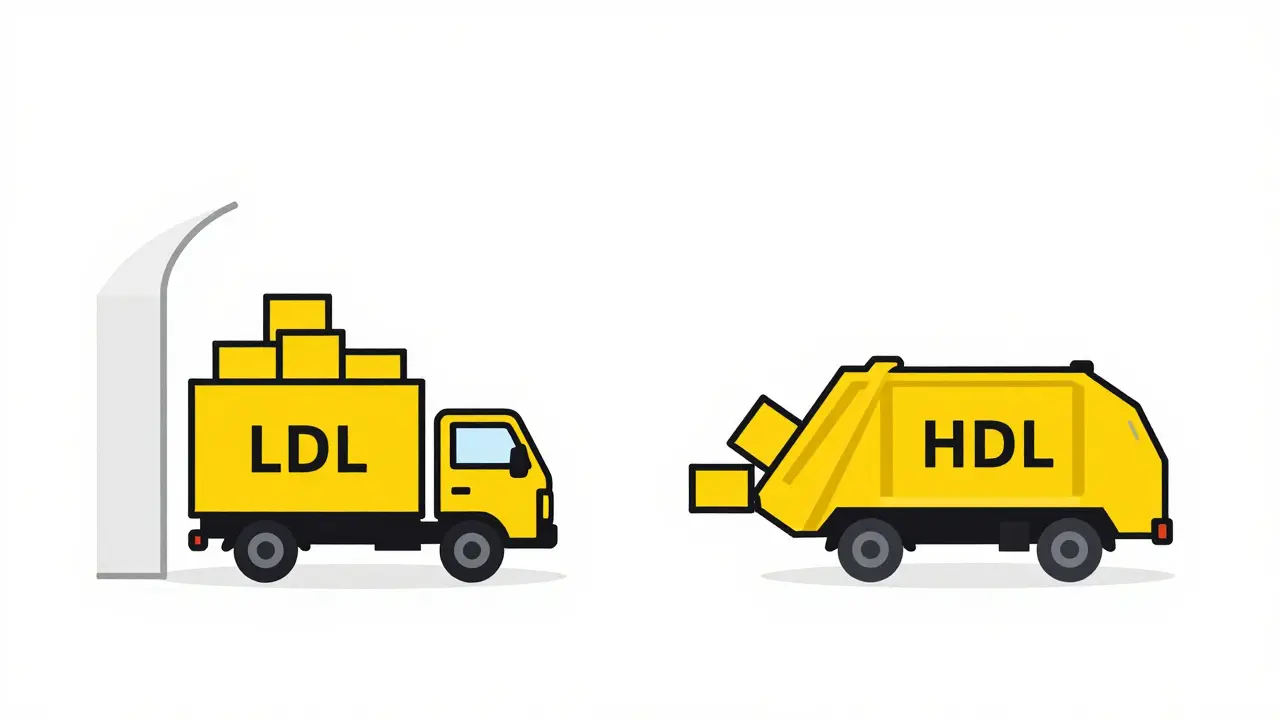
When we talk about cholesterol, we aren't talking about one single thing. Your body uses different types of lipoproteins to move fats through your blood. The most notorious is LDL cholesterol, often called "bad" cholesterol. Think of LDL as a delivery truck that drops off cholesterol in your artery walls. When there's too much of it, the trucks start dumping cargo everywhere, creating plaques that harden and block blood flow. On the flip side, HDL (high-density lipoprotein) acts like a garbage truck, picking up the extra cholesterol and taking it back to the liver to be cleared out. The goal of any treatment plan is usually to lower the LDL while keeping the HDL healthy.
Is Your High Cholesterol Genetic or Lifestyle-Based?
Not all high cholesterol is created equal. For some people, a burger and a sedentary lifestyle are the primary drivers. For others, it's written in their DNA. This is the difference between secondary and primary hypercholesterolemia. Secondary causes are often linked to other health issues. For example, hypothyroidism affects the metabolism of lipids, contributing to high levels in about 15-20% of cases. Similarly, type 2 diabetes often triggers dyslipidemia, making it harder for the body to regulate fats. Even certain medications, like thiazide diuretics, can nudge your LDL levels up by 10-15%.
Then there is the more aggressive form: Familial Hypercholesterolemia (or FH). This is a genetic condition where your liver simply cannot clear LDL from the blood effectively, usually due to a mutation in the LDLR gene. Unlike lifestyle-induced high cholesterol, FH starts at birth. If you have the heterozygous form, your LDL might be consistently above 190 mg/dL. In rare homozygous cases, levels can skyrocket above 450 mg/dL. People with FH are at a much higher risk of early cardiac events; some may face heart issues before the age of 20 if they aren't treated aggressively.
| Feature | Acquired (Secondary) | Familial (FH) |
|---|---|---|
| Primary Cause | Diet, lifestyle, or other illness | Genetic mutation (LDLR/PCSK9) |
| Typical LDL Levels | Usually below 190 mg/dL | 190 to 450+ mg/dL |
| Physical Signs | Rarely any | Xanthomas (tendon deposits) |
| Treatment Response | High response to diet changes | Requires early, aggressive meds |
| Risk Timeline | Gradual increase with age | High risk of events before age 40 |
Spotting the Red Flags and Getting Diagnosed
Since high cholesterol is essentially "silent," you won't feel a plaque forming. However, in severe genetic cases, the body has nowhere else to put the excess fat, so it leaks into the skin and tendons. You might notice xanthelasmas-small, yellowish cholesterol deposits around the eyelids-or tendon xanthomas, which are fatty lumps often found in the knuckles or the Achilles tendon. If you see these, it's a major signal to get your lipids checked immediately.
The standard way to find out where you stand is through a lipid panel. This blood test measures your total cholesterol, LDL, HDL, and triglycerides. While some doctors still suggest fasting, many modern guidelines state that fasting isn't strictly necessary for a standard screening. If you are between 40 and 75, you should be getting these checks regularly as part of your cardiovascular risk assessment. The magic number often cited is 200 mg/dL; once your total cholesterol crosses that threshold, it's time to start a conversation with your healthcare provider about a management plan.
The Battle Plan: From Plate to Pharmacy
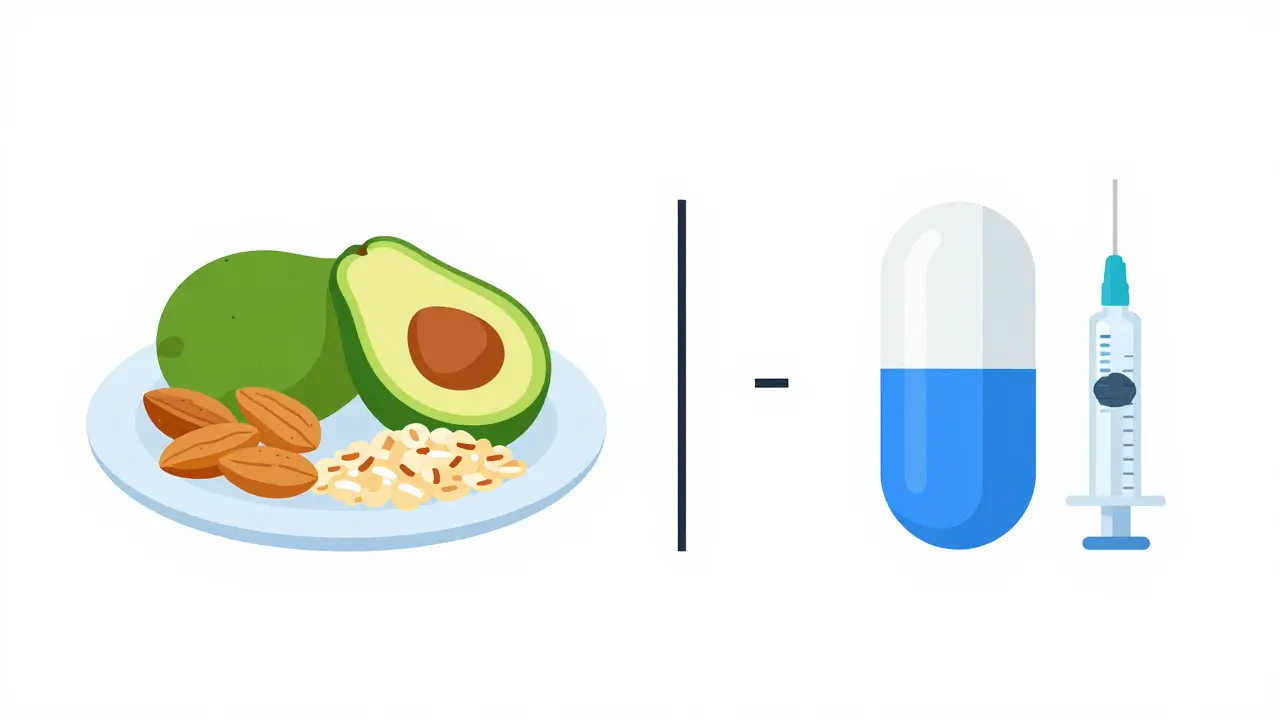
Managing your cholesterol usually happens in stages. The first line of defense is always lifestyle modification. This doesn't mean just "eating healthy," but specifically targeting saturated fats. The Portfolio Diet, for instance, focuses on plant sterols and soy protein to actively lower LDL. While these changes can drop LDL by 10-15%, they aren't always enough for everyone-especially those with genetic predispositions.
When lifestyle changes hit a ceiling, medication steps in. Statins are the gold standard here. Drugs like atorvastatin or rosuvastatin work by blocking the enzyme the liver needs to make cholesterol. High-intensity statins can slash LDL levels by 50% or more. However, not everyone tolerates them well. A significant chunk of patients experience muscle aches or other side effects. For these people, doctors may prescribe ezetimibe or more advanced PCSK9 inhibitors like alirocumab. These newer drugs are essentially "super-clearers" that help the liver remove LDL from the blood more efficiently.
For the most severe cases of FH, a "triple therapy" approach is often used: a high-intensity statin, ezetimibe, and a PCSK9 inhibitor. The newest breakthrough is inclisiran, an siRNA therapy. Instead of a daily pill, it's an injection given only twice a year. This is a game-changer for people who struggle to remember their medication, as adherence is one of the biggest hurdles in treating chronic high cholesterol.
The Real-World Impact and Future Outlook
The scale of this problem is staggering. Millions of adults live with high cholesterol, and the economic cost of the resulting heart disease runs into the hundreds of billions. Yet, there's a gap in care. Many people, particularly women and racial minorities, aren't prescribed the statins they need despite being eligible. This disparity often leads to avoidable cardiovascular events.
Looking ahead, the field is moving toward personalized medicine. We are seeing the rise of Polygenic Risk Scores, which can tell a doctor if you have a genetic predisposition to high cholesterol even before your blood tests show a spike. This allows for earlier intervention. While the rise in global obesity rates is making secondary hypercholesterolemia more common, the combination of digital health tracking and new, long-acting medications gives us a better chance at hitting the target: a significant reduction in global cardiovascular deaths.
Can I cure high cholesterol with diet alone?
It depends on the cause. If your high cholesterol is "secondary" (caused by diet or weight), lifestyle changes can significantly lower your levels. However, if you have Familial Hypercholesterolemia (FH), your liver is genetically unable to process cholesterol correctly. In these cases, diet helps, but medication is almost always required to prevent heart disease.
What is the difference between LDL and HDL?
LDL (Low-Density Lipoprotein) is the "bad" cholesterol because it carries cholesterol to your arteries, where it can build up as plaque. HDL (High-Density Lipoprotein) is the "good" cholesterol because it carries cholesterol away from the arteries and back to the liver to be removed from the body.
Are statins safe for long-term use?
For the vast majority of people, statins are safe and highly effective at preventing heart attacks and strokes. Some people experience side effects like muscle pain or a slight increase in blood sugar. If this happens, doctors can often switch you to a different type of statin or a non-statin medication like ezetimibe.
How often should I get my cholesterol checked?
General guidelines suggest that all adults aged 40-75 should have their cardiovascular risk assessed via a lipid panel. However, if you have a family history of early heart disease or high cholesterol, you should start screening much earlier, potentially in childhood or young adulthood.
What are the signs of a genetic cholesterol disorder?
Physical signs of Familial Hypercholesterolemia include xanthelasmas (yellowish deposits around the eyes) and tendon xanthomas (firm lumps in the Achilles tendon or knuckles). If you see these, or if a close relative had a heart attack before age 50, you should seek medical testing.


Simon Jenkins
April 11, 2026 AT 05:54