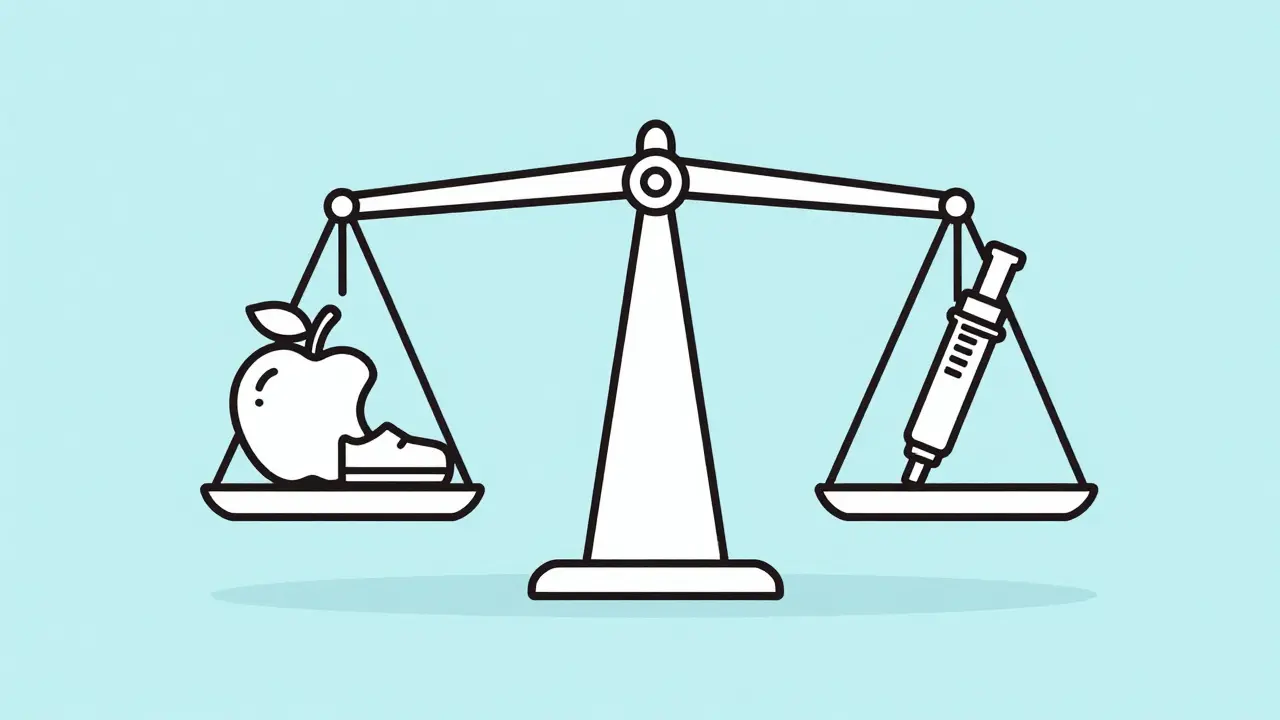
Imagine trying to balance a scale where the weights change every time you eat a piece of fruit or take a walk. That is essentially what managing blood sugar feels like. For millions of people, the tool used to balance that scale is insulin. But it is not a one-size-fits-all drug; the difference between a rapid-acting shot and a long-acting one can be the difference between a steady afternoon and a scary hypoglycemic episode.
Choosing the right insulin types isn't just about following a prescription-it's about matching the medication's speed and duration to how your body actually functions. Whether you are newly diagnosed or looking to optimize a long-term routine, understanding the toolkit of available insulins is the first step toward getting your A1C into a healthy range without the constant fear of "crashes."
The Quick Guide to Insulin Varieties
Not all insulin works at the same pace. To keep your blood sugar stable, you need a mix of "background" support and "mealtime" spikes. Here is how the different versions break down.
Rapid-Acting Insulin is a fast-working medication designed to handle the glucose spike that happens right after eating. Examples include insulin aspart (NovoLog), insulin glulisine (Apidra), and insulin lispro (Humalog). These start working within 10 to 15 minutes, hit their peak in about an hour, and wrap up by the 5-hour mark. Because they act so quickly, they are great for "correcting" high blood sugar on the fly.
Short-Acting (Regular) Insulin is the classic version, like Humulin R. It takes a bit longer to kick in-usually around 30 minutes-and stays in your system for up to 8 hours. It's less common for mealtime use today because rapid-acting analogs are more flexible, but it's still a reliable, lower-cost option.
Intermediate-Acting Insulin, often known as NPH (like Novolin N), works over a medium stretch of time. It starts in 1 to 2 hours and can last up to 18 hours. While useful, it has a pronounced peak that can sometimes lead to unexpected drops in blood sugar if you aren't eating enough at the right time.
Long-Acting Insulin provides the "basal" or steady-state coverage your body needs even when you aren't eating. These insulins have no significant peak, meaning they release a steady stream of medication over 24 hours. Common versions include insulin glargine (Lantus) and insulin detemir (Levemir). For those who want even more stability, ultra-long-acting options like insulin degludec (Tresiba) can last over 42 hours, which significantly lowers the risk of nighttime hypoglycemia.
| Type | Onset (Start) | Peak | Duration | Best Used For |
|---|---|---|---|---|
| Rapid-Acting | 10-15 Min | 30-90 Min | 3-5 Hours | Immediate mealtime coverage |
| Short-Acting | 30 Min | 2-3 Hours | 5-8 Hours | Scheduled meals |
| Intermediate (NPH) | 1-2 Hours | 4-12 Hours | 12-18 Hours | Background coverage |
| Long-Acting | 1-6 Hours | Flat/None | 24-42+ Hours | Steady all-day basal levels |
Common Insulin Regimens: Which One Fits Your Life?
A regimen is simply the strategy for how you time and combine these types of insulin. The goal is to mimic a healthy pancreas, which leaks a little insulin all the time (basal) and pumps out a lot when you eat (bolus).
The Basal-Bolus Method
This is the gold standard for many with type 1 diabetes. You take one long-acting dose (basal) to keep things steady and several rapid-acting doses (bolus) before meals. It offers the most flexibility. If you decide to go for a run or have a high-carb dinner, you can adjust your bolus dose without messing up your baseline stability. Many people use this with an insulin pump to automate the process, which often leads to better A1C results compared to manual injections.
The Premixed Approach
Some people use a blend, like Humalog Mix 75/25. This combines intermediate and rapid-acting insulin in one shot. It's incredibly convenient-fewer needles-but it's less flexible. If you skip a meal or change your diet, you can't easily adjust the "mealtime" part of the dose without also changing the "background" part.
The Basal-Only Start
For many with type 2 diabetes, doctors start with just a long-acting insulin once a day. This helps lower the overall average blood sugar. If that isn't enough, they might add mealtime insulin later. However, recent trends show that doctors are now prioritizing other medications first-like GLP-1 receptor agonists (e.g., semaglutide) or SGLT2 inhibitors-especially if there is a risk of heart or kidney disease.

The Reality of the Cost-Benefit Trade-off
Here is the elephant in the room: analog insulins (the newer, more precise versions) are significantly more expensive than human insulins. You might find a vial of regular human insulin at a store like Walmart for around $30, while a high-tech analog could cost $300 without insurance. This creates a tough choice for many patients.
From a medical standpoint, the analogs are usually worth it. They don't have the sharp "peaks" that NPH does, which means you are much less likely to wake up at 3 a.m. with a dangerously low blood sugar level. In fact, clinical data suggests that switching from NPH to a long-acting analog can reduce nocturnal hypoglycemia by as much as 50%. While the cost is a barrier, the safety profile of analogs is simply better.
Practical Tips for Managing Your Regimen
Getting the dosing right takes a few weeks of trial and error. It's not just about the medicine; it's about the math. Most experienced users use a "correction factor"-for example, taking 1 extra unit of rapid-acting insulin for every 30-50 mg/dL they are over their target.
If you're struggling with your routine, keep these rules of thumb in mind:
- Avoid "Stacking": Don't take a second dose of rapid-acting insulin too soon after the first just because your sugar hasn't dropped yet. This often leads to a massive crash an hour later.
- Watch the Temp: Keep your unopened vials in the fridge (2-8°C). Once you start using a pen or vial, most are stable at room temperature for about 28 to 42 days.
- Count Carbs: Learning to count grams of carbohydrates is the only way to truly master bolus dosing. A common starting point is 1 unit of insulin for every 10-15 grams of carbs, but this varies wildly by person.
- Test Before and After: To see if your mealtime insulin is working, check your sugar before the meal and again 2 hours after. If you're still high, your bolus dose may need a tweak.
The Future of Insulin: What's Coming?
The days of four-times-a-day needles might be numbered. We are already seeing the arrival of once-weekly basal insulins, which have shown a slight edge in lowering A1C compared to daily shots. Beyond that, "smart insulins" are in development-medications that only activate when your blood sugar is actually high, effectively doing the thinking for you.
For those who can't stand needles, inhaled insulin (like Afrezza) is an option for mealtime coverage. It works almost instantly. However, it's not for everyone; it requires a lung function test and isn't recommended for people with severe asthma or certain smoking-related lung issues.
Which insulin is best for nighttime use?
Long-acting basal insulins are best for nighttime because they provide a steady level of medication without a sharp peak. Ultra-long-acting options like insulin degludec (Tresiba) are particularly effective at preventing nocturnal hypoglycemia (lows during the night) compared to older NPH insulins.
Can I switch from NPH to a long-acting analog?
Yes, and many doctors recommend it. Long-acting analogs like glargine or detemir generally provide a flatter glucose profile, reducing the risk of hypoglycemia by 22-50% in many patients, though they can be more expensive.
How do I know if my insulin dose is too high?
The most obvious sign is hypoglycemia: shakiness, sweating, confusion, or dizziness. If you experience these frequently-especially at the same time each day-your basal dose may be too high or your bolus dose too aggressive for your carb intake.
Is inhaled insulin a replacement for long-acting insulin?
No. Inhaled insulin is designed for rapid mealtime (bolus) coverage. It does not last long enough to provide the background (basal) insulin your body needs to function between meals and overnight.
Why do some people with type 2 diabetes not need insulin?
Next Steps for Success
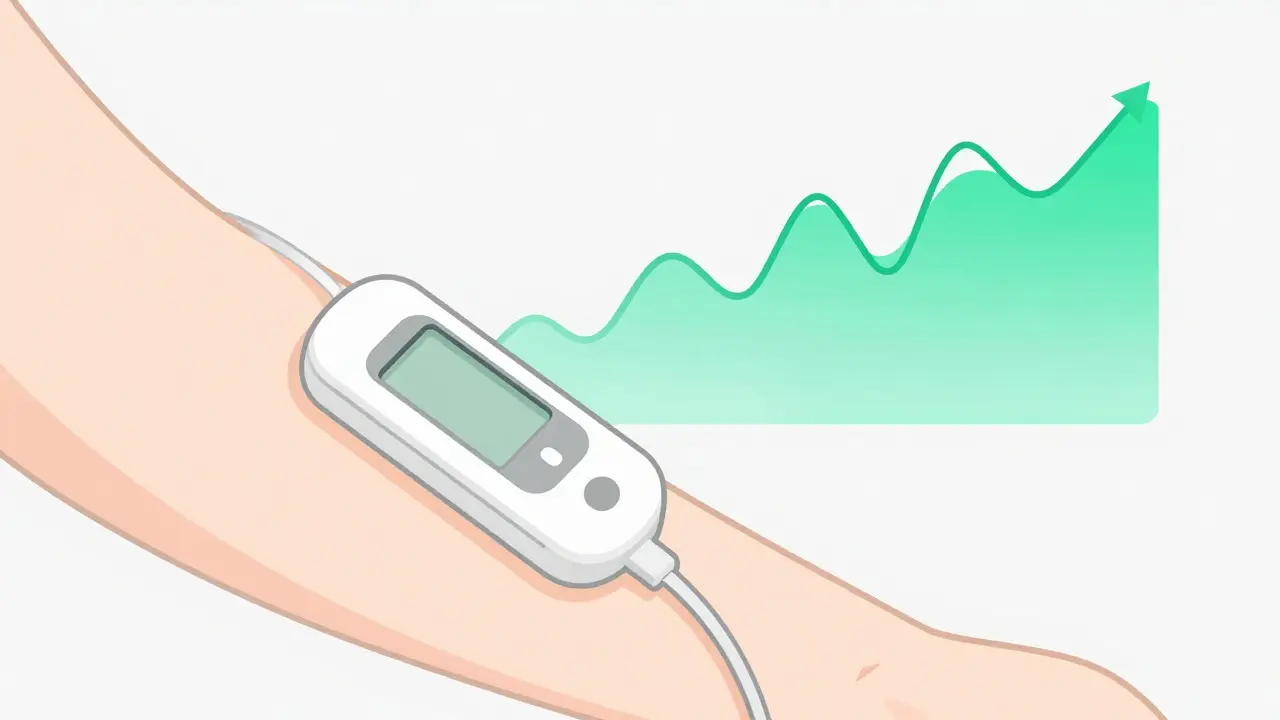
If you are struggling to stabilize your numbers, the first move is to track your data. Use a Continuous Glucose Monitor (CGM) if possible; seeing a graph of your sugar levels in real-time is far more useful than a single finger-stick reading. It allows you to see exactly when your insulin "peaks" and where the gaps are.
If you find that your current regimen is too rigid, talk to your provider about moving toward a basal-bolus system or exploring an insulin pump. For those concerned about costs, look into biosimilar versions of glargine, which are becoming more available and often more affordable than the original brand-name analogs.


Clare Elizabeth
April 15, 2026 AT 03:28