Imagine sitting down to dinner with a plate of pasta. For most people, it’s just dinner. If you have diabetes, specifically type 1 or insulin-dependent type 2, that plate is a math problem. You need to know exactly how much fuel your body will get from those noodles so you can match it with the right amount of medicine. This is where carbohydrate counting becomes your most powerful tool for freedom and control.
It sounds intimidating at first. Who wants to do algebra before eating? But carb counting isn’t about restriction; it’s about flexibility. It allows you to eat what you want, when you want, as long as you understand the numbers behind the food. Without this skill, your blood sugar levels are on a rollercoaster ride you didn’t choose. With it, you hold the steering wheel.
Why Carbs Matter More Than Fat or Protein
To master carb counting, you first need to understand why carbohydrates are the star of the show. Your body breaks down three main nutrients: fats, proteins, and carbs. Fats and proteins digest slowly and have a minimal impact on your immediate blood glucose levels. Carbohydrates, however, break down quickly into glucose-the primary source of energy for your cells.
When you eat carbs, your blood sugar rises. If your body doesn’t produce enough insulin (Type 1) or can’t use it effectively (Type 2), that glucose stays in your bloodstream instead of entering your cells. This leads to high blood sugar, or hyperglycemia. The goal of carb counting is to predict this rise and manage it proactively rather than reacting to spikes after they happen.
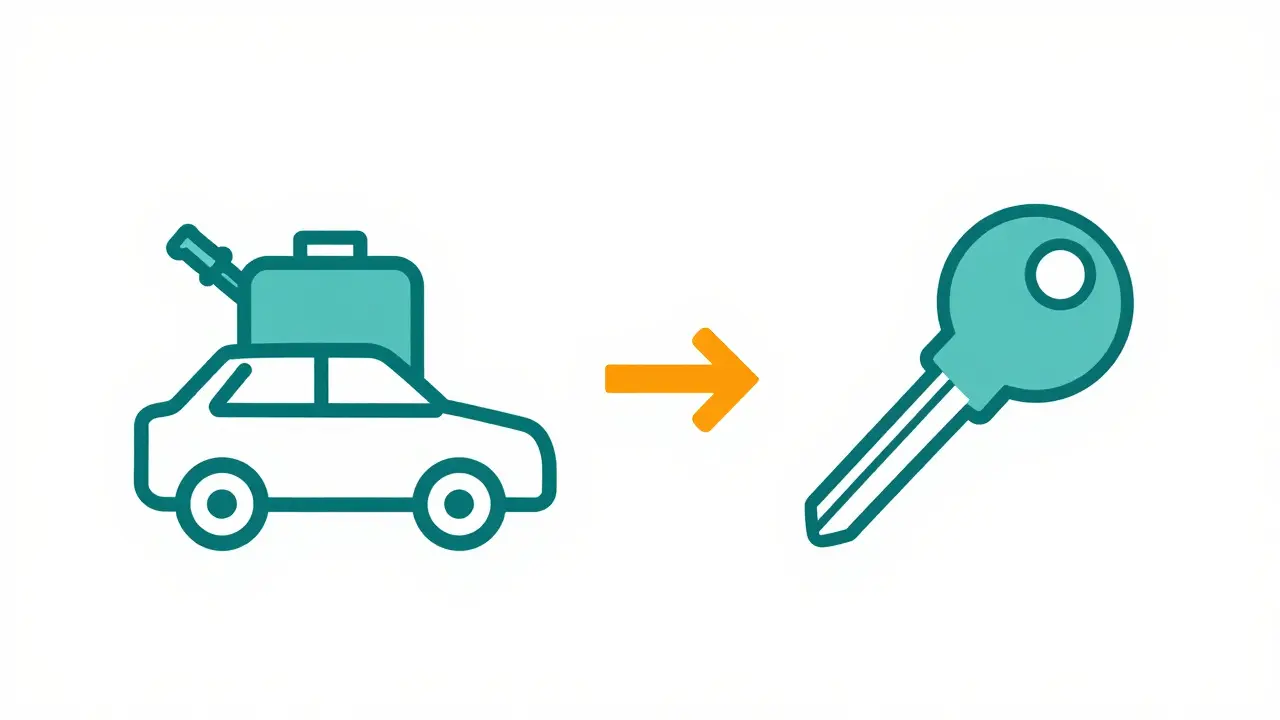
Think of it like driving a car. Glucose is the gas, and insulin is the key that unlocks the tank. Carb counting tells you how much gas you’re putting in, so you know exactly how many keys (units of insulin) you need to turn.
The Basics: What Counts as a Carb?
Not all foods contain carbs. Meat, eggs, cheese, oils, and butter generally have zero or negligible carbohydrates. Foods that do contain carbs fall into three categories:
- Sugars: Found in sweets, sodas, fruits, and milk.
- Starches: Found in bread, rice, pasta, potatoes, and corn.
- Fiber: Found in vegetables, whole grains, beans, and nuts.
Here is the crucial distinction: Fiber is a type of carbohydrate, but your body cannot digest it. Because it passes through your system largely unchanged, it does not raise blood sugar significantly. In fact, fiber can help slow down the absorption of other sugars. When we talk about "carb counting," we usually mean net carbs, which is total carbohydrates minus fiber.
For beginners, the rule of thumb is simple: if it grows above ground (fruits, veggies) or below ground (potatoes, roots), or if it’s made from grains (bread, cereal), it likely has carbs. Animal products and pure fats usually do not.
Reading Nutrition Labels Like a Pro
The most accurate way to count carbs is by reading the Nutrition Facts label on packaged foods. Ignore the "Serving Size" confusion for a moment and look directly at the line that says Total Carbohydrate. This number includes sugars, starches, and fiber combined.
Here is how to calculate your net carbs from a label:
- Find the Total Carbohydrate amount in grams.
- Find the Dietary Fiber amount in grams.
- Subtract the fiber from the total carbs.
For example, if a box of crackers lists 20g of Total Carbohydrate and 4g of Dietary Fiber, your net carb count is 16g (20 - 4 = 16).
What about sugar alcohols? These are often found in "sugar-free" candies and gums. They affect blood sugar less than regular sugar but more than fiber. A common method recommended by dietitians is to divide the grams of sugar alcohol by two and subtract that number from the total carbs. So, if a candy bar has 10g of total carbs and 8g of sugar alcohols, you would subtract 4g (half of 8), leaving you with 6g of net carbs.
The Concept of Carb Exchanges
Many healthcare providers teach carb counting using "exchanges" or "servings." One standard carbohydrate serving equals approximately 15 grams of carbohydrates. This unit makes mental math easier during meals.
Here are common examples of one 15-gram carb serving:
- 1 slice of bread
- 1/2 cup of cooked rice, pasta, or potato
- 1 small apple (about the size of a tennis ball)
- 1/2 cup of milk
- 1/3 cup of cereal
If your target for lunch is 45 grams of carbs, that equals three exchanges (3 x 15 = 45). Knowing these standard portions helps you estimate without weighing every single bite once you get experienced.
Matching Carbs to Insulin: The Ratio
If you take mealtime insulin, carb counting is essential for determining your dose. This is done using an Insulin-to-Carb Ratio (ICR). This ratio tells you how many grams of carbohydrate are covered by one unit of insulin.
For instance, a 1:10 ratio means 1 unit of insulin covers 10 grams of carbs. If you plan to eat a meal with 60 grams of carbs, you would calculate 60 divided by 10, resulting in 6 units of insulin.
Important note: Your ratio is unique to you. It depends on your weight, activity level, and insulin sensitivity. It may also change throughout the day-many people are more resistant to insulin in the morning, requiring a different ratio at breakfast than at dinner. Never guess this number; work with your endocrinologist or Certified Diabetes Care and Education Specialist (CDCES) to determine your specific ratios.
| Food Item | Portion Size | Net Carbs (grams) |
|---|---|---|
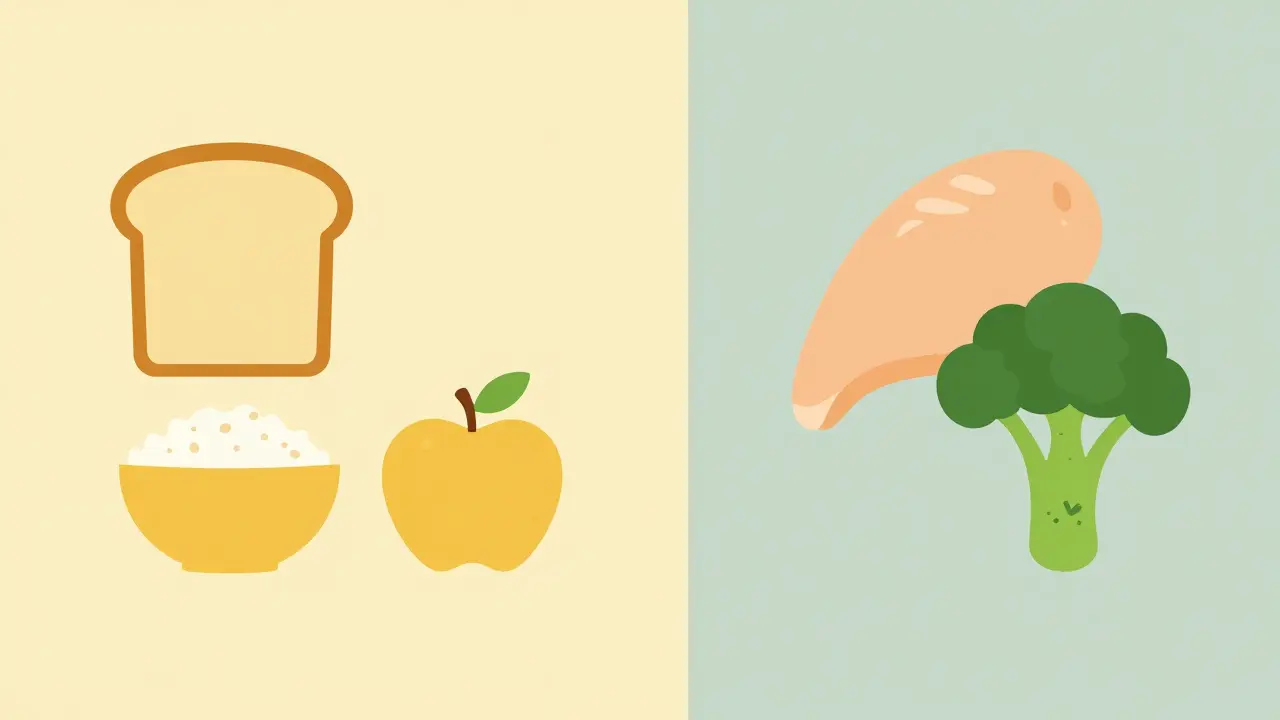
| Bread (white or whole wheat) | 1 slice | 15g |
| Rice (cooked) | 1/2 cup | 20g |
| Pasta (cooked) | 1/2 cup | 20g |
| Potato (medium, baked) | 1 medium | 30g |
| Milk (skim or whole) | 1 cup | 12g |
| Apple (medium) | 1 fruit | 25g |
| Broccoli (steamed) | 1 cup | 5g |
| Chicken breast | 3 oz | 0g |
Tools to Make Counting Easier
In the early days, carb counting meant carrying a bulky book and doing calculations on paper. Today, technology has streamlined the process significantly. Here are the best tools to keep in your arsenal:
- Kitchen Scale: Visual estimation is notoriously inaccurate. Studies show people often underestimate portion sizes by up to 50%. Weighing your food for the first few weeks builds a mental database of what 15 grams of rice or 30 grams of pasta actually looks like.
- Smartphone Apps: Apps like MyFitnessPal, Carb Manager, or Lose It! have massive databases. You can scan barcodes or search for restaurant items. Some advanced apps even use AI to recognize food from photos, estimating carb content with increasing accuracy.
- Continuous Glucose Monitor (CGM): Devices like Dexcom or Freestyle Libre provide real-time feedback. After eating, you can see exactly how your body reacted to the carbs you counted. This data loop helps you refine your estimates over time.
Common Pitfalls for Beginners
Even with the best intentions, new carb counters make mistakes. Avoid these common traps:
1. Forgetting "Hidden" Carbs: Sauces are the enemy. BBQ sauce, ketchup, teriyaki glaze, and salad dressings often contain significant amounts of sugar. Always check the label or ask for sauces on the side.
2. Ignoring Beverages: Milk, juice, soda, and even beer contain carbs. A glass of orange juice might seem healthy, but it packs nearly 30 grams of fast-acting sugar. Water, tea, and black coffee remain your safest bets for zero-carb hydration.
3. Overestimating Fiber Benefits: While you subtract fiber, don’t assume you can eat unlimited amounts of high-fiber foods without consequence. Large volumes of food still require digestion and can impact blood sugar indirectly through gastric emptying rates.
4. Restaurant Guessing Games: Restaurant portions are often larger than home servings. A "small" bowl of soup at a chain restaurant might contain double the carbs listed online. When in doubt, weigh out half your portion at home and bring it, or order two appetizers instead of one entrée.
Getting Started: Your First Week Plan
Don’t try to perfect carb counting overnight. Start with a structured approach:
- Day 1-3: Track Everything. Don’t worry about calculating insulin yet. Just write down everything you eat and look up the carb counts. Use an app or a notebook. Notice patterns in your blood sugar readings relative to your meals.
- Day 4-7: Measure Portions. Use measuring cups and a scale. Compare your visual estimates to the actual weights. This calibrates your eye.
- Week 2: Apply Ratios. If you are on insulin, start applying your insulin-to-carb ratio to your meals under the guidance of your doctor. Monitor your blood sugar 2 hours after eating to see if your doses were accurate.
Remember, consistency beats perfection. It takes time to build confidence. Most people achieve reliable accuracy within 4 to 8 weeks of practice.
FAQ
Do I need to count carbs if I have Type 2 diabetes and don't take insulin?
While not strictly mandatory for everyone with Type 2, carb counting is highly beneficial. It helps you understand how different foods affect your blood sugar, allowing you to make choices that keep your levels stable. Even if you aren't injecting insulin, managing carb intake can reduce the need for medication and improve overall health outcomes.
How accurate do I need to be with my carb counting?
Aim for within 10-15% accuracy initially. Perfect precision is impossible, especially with mixed dishes or restaurant food. The goal is consistent estimation. Over time, using a Continuous Glucose Monitor (CGM) will help you learn how your body reacts to slight over- or under-counting, allowing you to adjust future doses accordingly.
Can I eat desserts while carb counting?
Yes, absolutely. Carb counting is designed to offer flexibility. You can enjoy cake, ice cream, or cookies as long as you account for the carbohydrates in your total daily budget and match them with the appropriate amount of insulin. The key is moderation and awareness, not elimination.
What is the difference between net carbs and total carbs?
Total carbs include all carbohydrates: sugars, starches, and fiber. Net carbs are calculated by subtracting dietary fiber (and sometimes half the sugar alcohols) from the total carbs. Since fiber isn't digested into glucose, it doesn't raise blood sugar significantly, making net carbs a more relevant metric for blood glucose management.
How long does it take to master carb counting?
Most people become comfortable with basic carb counting within 4 to 8 weeks. However, mastery is an ongoing process. As you encounter new foods and dining situations, your skills will continue to refine. Regular review of your blood glucose data helps identify areas where your counting might need adjustment.