Antihistamine Safety Checker
Pure Second-Generation Antihistamine
Loratadine (Claritin), Fexofenadine (Allegra), Cetirizine (Zyrtec)First-Generation Antihistamine
Diphenhydramine (Benadryl)Antihistamine + Decongestant
Cetirizine-D, Loratadine-D (contains pseudoephedrine)NSAID Combination
Ibuprofen + Antihistamine formulasSelect a medication type to see safety information
You reach for that box of allergy relief because your nose is running and your eyes are itching. But if you have high blood pressure, that simple act can feel like a gamble. Will this medication spike your numbers? Will it drop them dangerously low? It’s a valid worry, especially since so many people manage both allergies and hypertension simultaneously.
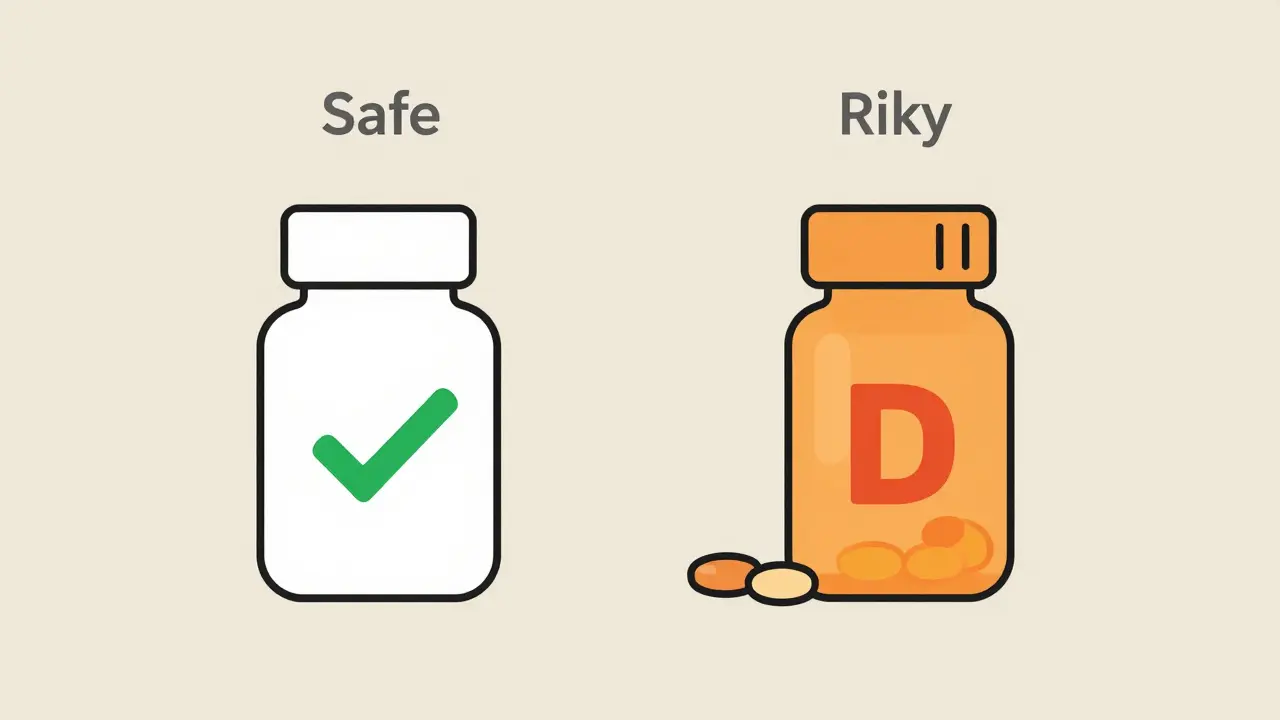
The short answer is that most modern, pure antihistamines are safe for people with high blood pressure when used correctly. However, the devil is in the details-specifically, what else is hiding inside that pill bottle. The confusion usually stems from mixing up pure antihistamines with combination drugs that contain decongestants. Understanding the difference between these two types of medications is the key to protecting your heart while treating your allergies.
The Difference Between Pure Antihistamines and Decongestants
To understand why some allergy meds affect your blood pressure and others don’t, we need to look at how they work. Histamine is a chemical released by your immune system during an allergic reaction that causes swelling, itching, and runny noses. Antihistamines block the receptors where histamine attaches, stopping those symptoms.
On their own, pure antihistamines generally do not raise blood pressure. In fact, some older studies suggest they might even lower it slightly due to mild vasodilation effects, though this is rarely clinically significant for healthy individuals. The real danger lies in pseudoephedrine, a common decongestant added to many multi-symptom cold and flu medicines. Pseudoephedrine works by constricting blood vessels to reduce nasal congestion. When you squeeze those vessels tight, your blood pressure goes up. For someone with hypertension, this can be a serious issue.
| Medication Type | Example Names | Blood Pressure Effect | Safety for Hypertension |
|---|---|---|---|
| Pure Second-Gen Antihistamine | Loratadine (Claritin), Fexofenadine (Allegra) | Neutral / No significant change | Safe (First-line choice) |
| Pure First-Gen Antihistamine | Diphenhydramine (Benadryl) | Mild drop or transient tachycardia | Use with caution (drowsiness risk) |
| Antihistamine + Decongestant | Cetirizine-D, Loratadine-D | Increases BP (due to pseudoephedrine) | Avoid unless cleared by doctor |
| NSAID Combinations | Ibuprofen + Antihistamine | May increase BP by 3-4 mmHg | Monitor closely |
If you buy a bottle labeled "D" (like Claritin-D or Zyrtec-D), it contains pseudoephedrine. These products often sit behind the pharmacy counter because of regulations on methamphetamine production, but more importantly for you, because they can elevate systolic blood pressure by approximately 1 mmHg or more, depending on dosage and individual sensitivity. If you have uncontrolled hypertension, these combination drugs are typically off-limits.
First-Generation vs. Second-Generation Antihistamines
Not all antihistamines are created equal. They fall into two main generations, and understanding which one you are taking matters for your cardiovascular health.
Second-generation antihistamines are modern drugs like loratadine, cetirizine, and fexofenadine designed to last longer and cause less drowsiness. These are the gold standard for people with high blood pressure. According to data from the American Heart Association and various clinical trials, these drugs show neutral effects on blood pressure in the vast majority of users. Fexofenadine, for instance, undergoes minimal metabolism by the liver enzymes CYP3A4, which reduces the risk of dangerous drug interactions that could indirectly affect your heart rhythm or blood pressure.
First-generation antihistamines are older drugs like diphenhydramine (Benadryl) that cross the blood-brain barrier easily, causing sedation. While they don’t typically spike blood pressure, they have other side effects. They possess anticholinergic properties, which can sometimes lead to a fast heart rate (tachycardia) or, paradoxically, a slight drop in blood pressure when standing up quickly (orthostatic hypotension). This dizziness upon standing is a common complaint among older adults using Benadryl. Furthermore, because they make you sleepy, they aren’t ideal for daily long-term use, especially if you need to drive or operate machinery.
Historically, there were concerns about certain first-generation drugs like terfenadine and astemizole causing dangerous heart rhythms (QT prolongation). Fortunately, these specific drugs were withdrawn from the US market in the late 1990s due to these risks. Modern second-generation options do not share this dangerous profile when taken at recommended doses.
Hidden Risks: Drug Interactions and Other Ingredients
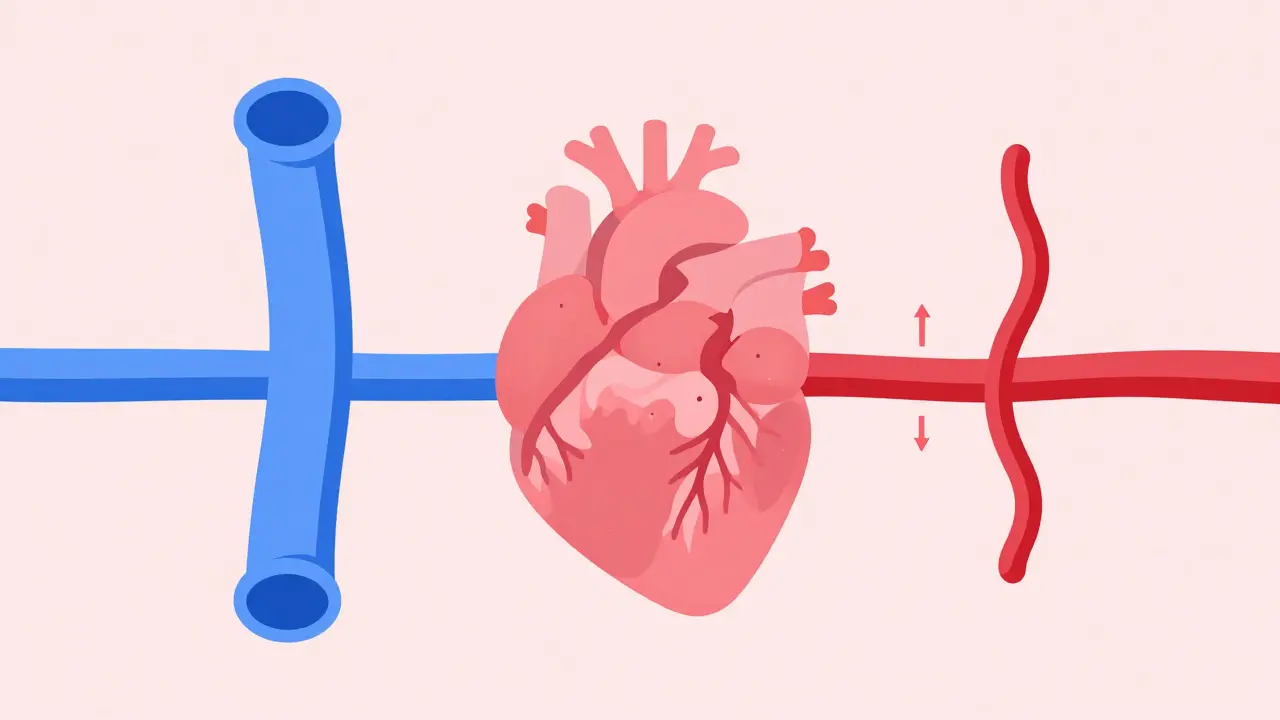
Your blood pressure isn't just affected by the antihistamine itself; it’s affected by what the antihistamine interacts with. Many people take multiple medications for chronic conditions, and these can clash.
Consider grapefruit juice. If you are taking certain medications metabolized by the CYP3A4 enzyme system, drinking grapefruit juice can block that enzyme, causing drug levels to build up in your body. While modern antihistamines like fexofenadine avoid this pathway, others might not. Always check the label or ask your pharmacist.
Also, watch out for pain relievers mixed into allergy formulas. Some multi-symptom cold medicines combine antihistamines with acetaminophen or ibuprofen. Ibuprofen, a non-steroidal anti-inflammatory drug (NSAID), is known to raise blood pressure by interfering with kidney function and fluid retention. Studies suggest ibuprofen can raise blood pressure by 3-4 mmHg. If you are already managing hypertension, adding an NSAID-containing allergy pill creates a double whammy of potential pressure spikes.
How to Monitor Your Blood Pressure Safely
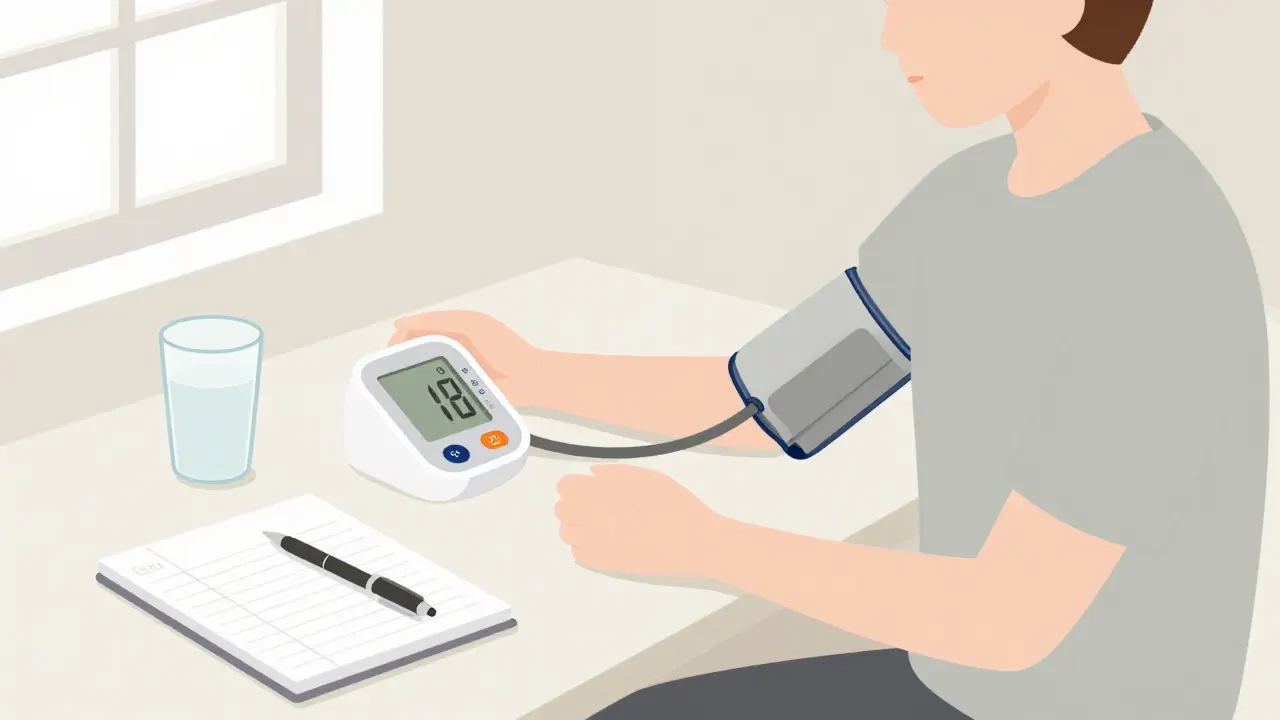
If you have hypertension and plan to start a new antihistamine, you don’t need to panic, but you should be proactive. Here is a practical approach to monitoring:
- Check Your Baseline: Measure your blood pressure for three days before starting the new medication. Take readings at the same time each day (e.g., morning and evening) to establish your normal range.
- Read the Label Carefully: Look for words like "decongestant," "pseudoephedrine," or phenylephrine. If you see them, put the box back and find a pure antihistamine. Look for single-ingredient bottles labeled simply as "loratadine" or "cetirizine."
- Recheck After Dosing: If you are starting a first-generation antihistamine or have severe cardiovascular disease, check your blood pressure 30 to 60 minutes after your first dose. Watch for dizziness or lightheadedness, which could signal a drop in pressure.
- Track Symptoms: Keep a simple log. Note any palpitations, rapid heartbeat, or unusual fatigue. While rare, these can be signs of an adverse reaction.
The American Heart Association recommends that patients with controlled hypertension (systolic under 140 mmHg) generally do not need extra monitoring when using pure second-generation antihistamines. However, if your blood pressure is uncontrolled or you take multiple heart medications, consult your doctor before starting any new over-the-counter drug.
Common Questions About Allergy Meds and Heart Health
It’s natural to have lingering doubts. Here are answers to the most frequent questions patients ask their pharmacists and doctors regarding antihistamines and cardiovascular safety.
Can antihistamines cause high blood pressure?
Pure antihistamines alone rarely cause high blood pressure. The concern usually comes from combination products that include decongestants like pseudoephedrine. Pseudoephedrine constricts blood vessels, which can raise blood pressure significantly. Always choose a "pure" antihistamine without decongestants if you have hypertension.
Is Benadryl safe for people with high blood pressure?
Diphenhydramine (Benadryl) is generally safe regarding blood pressure spikes, but it can cause dizziness or a slight drop in blood pressure when standing up quickly. It also has anticholinergic effects that may increase heart rate in some individuals. Due to its sedating nature and potential side effects, second-generation antihistamines are preferred for daily use.
Which antihistamine is best for hypertension patients?
Second-generation antihistamines like fexofenadine (Allegra), loratadine (Claritin), and cetirizine (Zyrtec) are considered the safest options. They have minimal impact on blood pressure and heart rhythm. Fexofenadine is often highlighted for having very few drug interactions, making it a top choice for those on multiple medications.
Do I need to stop my blood pressure medication when taking antihistamines?
No, you should never stop prescribed blood pressure medication without consulting your doctor. Most antihistamines do not interfere with blood pressure drugs. However, always inform your healthcare provider about all supplements and over-the-counter medications you are taking to rule out specific interactions.
Can antihistamines interact with beta-blockers?
Generally, second-generation antihistamines have low interaction risks with beta-blockers. However, first-generation antihistamines can sometimes enhance the sedative effects of certain medications. If you are on beta-blockers for heart conditions, stick to non-drowsy, second-generation antihistamines and monitor for any unusual fatigue or dizziness.